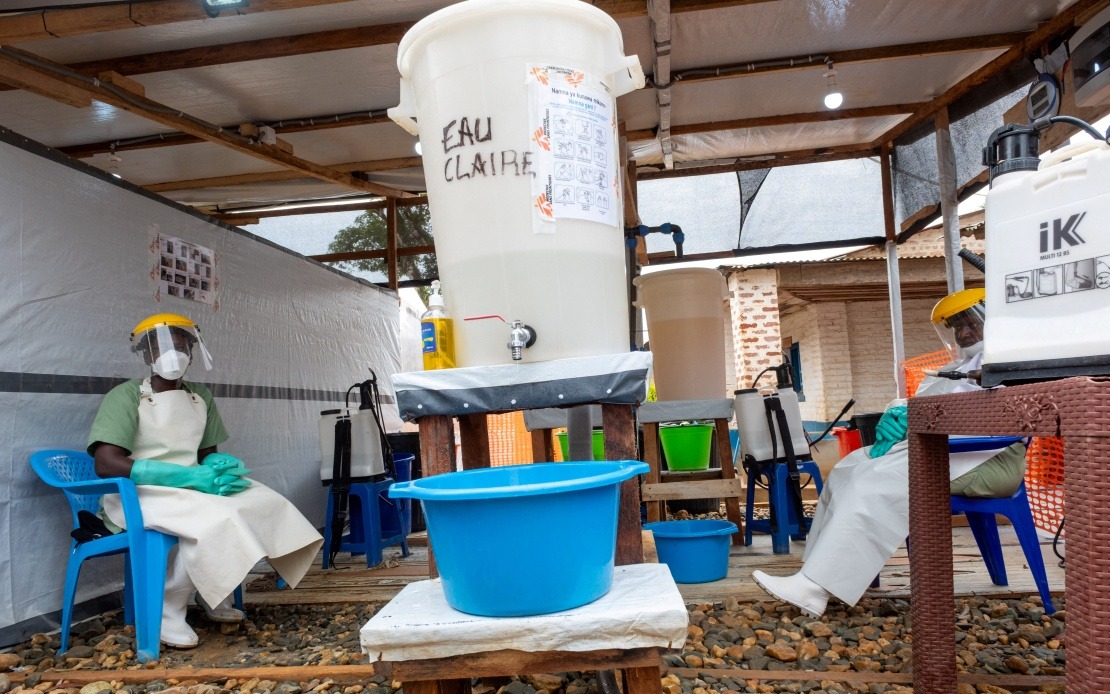
The Ebola epidemic sweeping through the Democratic Republic of Congo has entered a new phase of severity, with confirmed cases now exceeding 3,000 according to health ministry data released Saturday. This grim milestone underscores the scale of a humanitarian crisis that continues to expand across multiple provinces in Central Africa, threatening not only local populations but regional stability more broadly.
Official figures document 3,075 confirmed infections alongside 1,354 deaths, a fatality rate that demands urgent international attention. The statistics also reveal that 556 patients have recovered from the disease, while 755 individuals currently require hospitalisation or isolation treatment. These numbers represent the accumulated toll over many months of transmission, reflecting both the virulence of the current strain and the challenges health systems face in containing rapid spread.
The outbreak has moved beyond a localised emergency to affect five distinct provinces across the DRC: Ituri, North Kivu, South Kivu, Haut-Uele and Tshopo. This geographic dispersal complicates containment efforts substantially. The involvement of multiple provinces suggests the virus has achieved sustained community transmission, making traditional epidemic control measures—which rely on rapid case identification and contact tracing—increasingly difficult to implement effectively.
The specific pathogen responsible for this crisis is Bundibugyo ebolavirus, a strain distinct from better-known variants that have triggered previous outbreaks. This distinction carries significant implications for medical countermeasures, as vaccines and treatments designed for other Ebola species offer no protection. The challenge of mounting a response against an unfamiliar viral adversary has consumed precious months during which the disease established itself firmly within affected communities.
Prime Minister Judith Suminwa Tuluka announced Friday that the DRC government is mobilising research resources toward developing both therapeutic and preventative interventions. She expressed cautious optimism that viable solutions might emerge within two to four months, though she refrained from detailing the specific research stage or regulatory pathways these candidates would follow. Government funding has been allocated, though the scale and sustainability of this financial commitment remain unclear.
Currently, no approved vaccine or licensed treatment specifically targets Bundibugyo ebolavirus. This absence of proven medical countermeasures means patients depend on supportive care—fluid management, electrolyte balance, and treatment of secondary infections—strategies that reduce but cannot eliminate mortality risk. Several experimental vaccines and therapeutic agents are advancing through clinical evaluation phases, representing humanity's best near-term hope for stemming transmission.
The University of Oxford announced a significant development Friday: the first human participant has received an experimental vaccine designated ChAdOx1 BDBV, marking the opening of the world's initial human trial for a Bundibugyo-specific vaccine. This represents a transition from laboratory and animal testing to clinical evaluation in human subjects. Such trials are essential for establishing safety profiles and immunogenicity—the vaccine's ability to generate protective immune responses—but they necessarily consume months before efficacy can be demonstrated.
For Malaysian and Southeast Asian observers, this outbreak holds sobering implications. The DRC's capacity constraints in public health infrastructure, disease surveillance, and outbreak response capabilities highlight vulnerabilities that exist across Africa and portions of Asia. The emergence of a relatively novel Ebola variant emphasises that pathogenic threats remain unpredictable and that pharmaceutical preparedness cannot address all scenarios. Regional health systems would benefit from strengthened disease surveillance networks and pandemic preparedness investments, particularly given the ease with which air travel can transport emerging pathogens across continents within days.
The timeline from experimental vaccine development through human trials to potential deployment remains measured in months at best. Should the ChAdOx1 BDBV vaccine prove both safe and effective in initial cohorts, larger-scale production and deployment would follow. The DRC and regional partners must simultaneously pursue immediate epidemic control through case isolation, contact tracing, and safe burial practices—interventions that rely on trained personnel, community cooperation, and sustained resources rather than pharmaceutical breakthroughs. This multi-track approach recognises that vaccine availability, while critical, arrives too late for many of those already infected and only gradually influences transmission dynamics even after deployment.
The international response architecture for emerging infectious disease threats remains fragmentary and under-resourced. The DRC outbreak demonstrates that even a disease with fatality rates exceeding forty percent can spread across multiple provinces before commanding sustained global attention and funding. The contrast between the rapid mobilisation of research institutions like Oxford and the sluggish international funding response for broader epidemic containment efforts reveals structural weaknesses in global health governance that transcend the immediate crisis.

