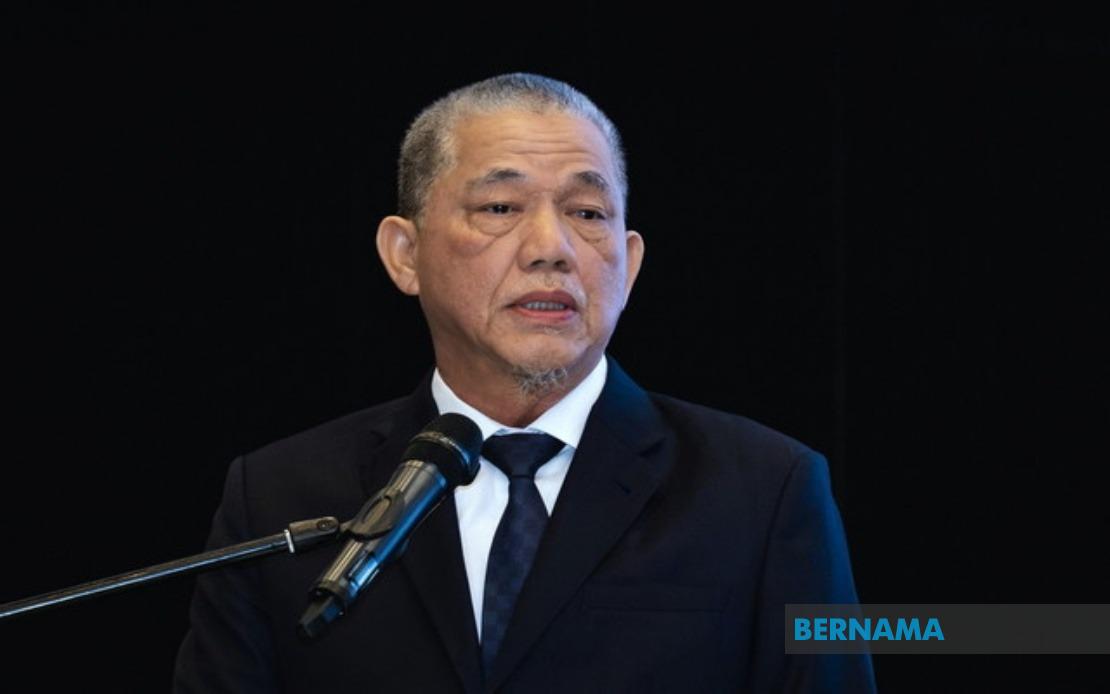
Deputy Prime Minister Datuk Seri Fadillah Yusof is set to undergo heart bypass surgery at the National Heart Institute (IJN) in the coming period, his office announced on Friday. The procedure follows medical advice from his healthcare team, with confirmation coming through a formal statement released by his press secretary, Datuk Misiah Taib, who also serves in the same capacity for his ministerial role overseeing Energy Transition and Water Transformation.
The announcement marks a significant development in Malaysian governance, as Fadillah has been a central figure in the nation's policy framework over recent years. His current portfolio responsibilities remain extensive, encompassing critical infrastructure and environmental transitions that are fundamental to Malaysia's long-term development strategy. The timing of the medical procedure will inevitably prompt questions about continuity in decision-making at the ministerial and executive levels during his recovery period.
According to the statement, Fadillah is maintaining stable health status at present, though his medical advisers have recommended comprehensive rest and recovery protocols to ensure optimal outcomes from the upcoming surgical intervention. The guidance extends to limiting social engagements and visits, a measure intended to preserve his physical reserves and allow medical supervision to proceed without interruption. Such precautions are standard practice in preparing for major cardiac procedures, where pre-operative conditions significantly influence surgical success rates.
The family has requested that Malaysians extend their best wishes during this period, appealing for prayers and positive thoughts directed towards a successful operation and complete recovery. This appeal reflects the traditionally significant role that community support plays in Malaysian society, particularly when prominent national figures face health challenges. The request carries implicit acknowledgment that public confidence and goodwill contribute to the broader national sense of stability during transitions in leadership capacity.
Heartfelt gratitude has been extended to all individuals and organisations who have offered support, prayers, and expressions of concern throughout this difficult period. The measured and dignified tone of the announcement demonstrates the family's appreciation for the widespread concern expressed across political and institutional circles. In the Malaysian context, such acknowledgments carry weight beyond mere courtesy, signifying recognition of the interconnected nature of national leadership and public sentiment.
The National Heart Institute, where the procedure will take place, represents one of Southeast Asia's premier cardiac care facilities. Located in Kuala Lumpur, IJN has established itself as a centre of excellence for complex cardiovascular interventions, treating both Malaysian citizens and regional patients. The selection of this institution underscores the importance of accessing world-class medical expertise for procedures of this magnitude, particularly given Fadillah's responsibilities at the highest levels of government.
Bypass surgery represents a significant therapeutic option for patients with severe coronary artery disease, and the decision to proceed reflects medical assessment that the benefits of intervention outweigh procedural risks. The timing of such announcements in Malaysia typically reflects a commitment to transparency, allowing government operations to prepare contingency arrangements and ensuring the public understands any adjustments to ministerial schedules or responsibilities. Advance notice enables the civil service to mobilise necessary support structures.
The broader implications for Malaysian governance centre on succession planning and ministerial continuity. While Fadillah's recovery is anticipated, the interim period during his post-operative rehabilitation will require coordinated action across relevant government agencies. The machinery of state must function seamlessly during such periods, ensuring that energy transition initiatives and water management policies maintain momentum despite the temporary adjustment in executive leadership at the ministerial level.
This development also highlights the vulnerability of high-office holders to health challenges, a reality that occasionally surfaces in Malaysian politics but rarely receives sustained public discussion. The dignified handling of Fadillah's situation may set a precedent for how similar circumstances are managed in future, balancing transparency with privacy concerns and maintaining public confidence in institutional continuity even as individuals navigate personal health crises.
Political observers will note that the announcement occurs within a context of ongoing policy implementation and legislative agendas that do not pause for individual circumstances. Consequently, the coordinated support from government institutions and the wider political establishment reflects recognition that Fadillah's recovery serves the national interest. The way this transition is managed will likely influence public perception of institutional resilience and the government's capacity to maintain operational effectiveness across multiple simultaneous challenges.
As Fadillah prepares for surgery, the broader Malaysian political and administrative systems demonstrate their capacity for orderly management of high-level absences. The smooth functioning of government during such periods depends on clear succession protocols, adequate delegation of authority, and institutional knowledge embedded across the civil service. This situation thus becomes a test of governmental maturity and the robustness of Malaysia's administrative frameworks, with outcomes that extend beyond the personal circumstances of one senior minister.

