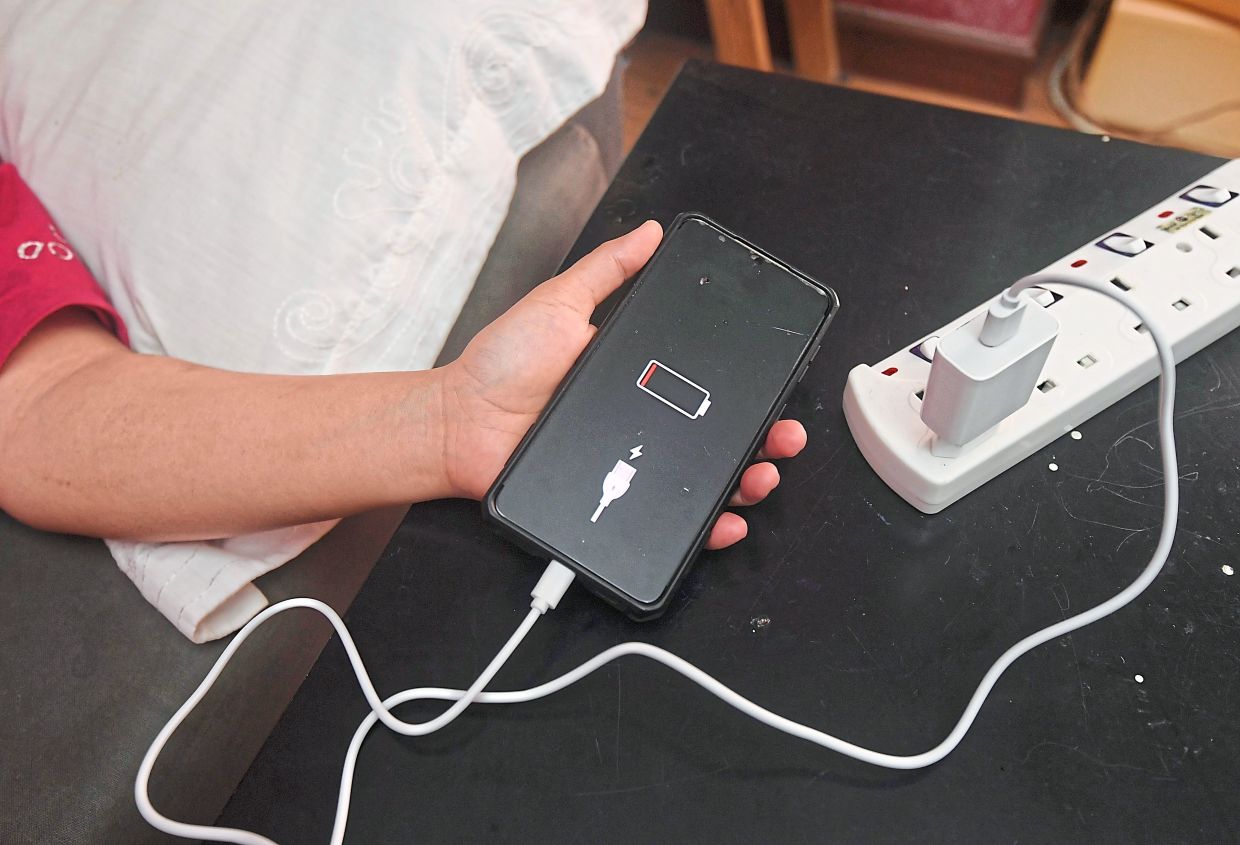
Malaysia's fire service has sounded an alarm over mounting property damage from residential fires ignited by unsafe charging practices, revealing that 59 incidents across the country have destroyed assets worth RM14.2 million over the past three years. The Department of Fire and Rescue Malaysia (JBPM) released the comprehensive breakdown in response to growing public concern about household electrical hazards, highlighting a persistent gap between consumer awareness and actual safety behaviour. The data spans from 2023 to 2025 and covers incidents in 10 states, demonstrating that this is not an isolated phenomenon but rather a systemic issue affecting multiple regions simultaneously.
The geographic distribution of these fires reveals significant regional disparities, with Sarawak emerging as the most heavily affected state by financial losses. The East Malaysian state recorded approximately RM9.7 million in damages from just 11 incidents, suggesting that each fire in this region tends to be particularly destructive. Kelantan follows with RM1.14 million across 17 cases, while Sabah recorded three incidents totalling RM806,800 in losses. The variation between states in both frequency and severity indicates that local factors—whether architectural styles, population density, or consumer purchasing patterns—may influence both the likelihood and intensity of device-related fires. Understanding these regional patterns is crucial for tailoring fire prevention campaigns to specific contexts rather than adopting a one-size-fits-all national approach.
Other significantly impacted states include Selangor with RM661,040 in damages from five fires, Penang with RM537,125 across nine incidents, and Johor with RM470,000 from two cases. Putrajaya recorded one major incident resulting in RM387,000 in losses, while Melaka experienced four fires costing RM214,810, Terengganu two incidents totalling RM175,000, and Perak five fires with combined losses of RM95,750. Notably, six states reported no recorded incidents: Kedah, Negeri Sembilan, Pahang, Perlis, Kuala Lumpur, and Labuan. The absence of reported cases in these jurisdictions may reflect genuinely lower incident rates, better consumer awareness, or potentially incomplete reporting mechanisms—a distinction worth investigating to understand whether certain regions have succeeded in implementing more effective prevention strategies.
A critical detail in the official assessment is that no deaths resulted from any of these 59 fires during the three-year period. While this represents positive news regarding immediate human safety, it should not obscure the broader danger that device charging fires pose to residential communities. Property losses of this magnitude represent substantial hardship for affected families, potentially destroying irreplaceable personal belongings, documents, and memories alongside furniture and appliances. The absence of fatalities does not diminish the severity of the hazard or the urgency of prevention efforts, particularly in densely populated urban areas where fire could spread to neighbouring properties.
According to JBPM's forensic analysis, several specific unsafe practices consistently emerge as ignition sources across these 59 incidents. Leaving devices to charge unattended overnight represents perhaps the most common dangerous habit, as it removes the opportunity for immediate intervention if a device begins overheating or showing warning signs. The use of counterfeit, uncertified, or third-party chargers and cables dramatically increases fire risk compared to manufacturer-supplied equipment, yet price-sensitive consumers often purchase such products without understanding the hazard they introduce. Additionally, charging mobile phones, tablets, or power banks on soft furnishings such as mattresses, pillows, sofas, and blankets creates conditions where heat cannot dissipate properly, causing internal temperatures to escalate rapidly.
Compounding these behavioural factors, JBPM identified several physical warning signs that users frequently ignore or fail to recognise. Battery swelling, device overheating during normal use, persistent burning smells, and visible damage to charging cables or power adapters are all clear indicators that equipment should be immediately removed from service. Nevertheless, JBPM notes that many users continue operating visibly compromised devices, either through lack of awareness about these danger signals or through reluctance to discard functioning equipment. Overloaded power strips that distribute insufficient amperage across multiple devices simultaneously create additional electrical stress that can trigger short circuits and subsequent fires.
The department's investigation methodology reveals the complexity inherent in device-charging fire forensics. Rather than relying solely on the magnitude of property loss or the intensity of the blaze as indicators of case difficulty, JBPM emphasises that each incident requires meticulous systematic examination tailored to its unique circumstances. Factors including the specific location within a residence, the particular device model involved, the degree of physical evidence destruction, ambient safety hazards at the fire scene, and specialised technical analysis requirements all contribute to investigation complexity. Some seemingly minor fires may demand extensive technical expertise to determine causation, while catastrophic losses may sometimes be attributable to straightforward unsafe practices, meaning that investigation depth does not necessarily correlate with visible damage.
A deeper examination of consumer behaviour reveals why technical solutions alone prove insufficient in addressing this hazard. JBPM's research indicates that many users consciously prioritise cost savings over safety standards when purchasing charging equipment, deliberately selecting unbranded or non-certified chargers, cables, and electrical accessories despite availability of certified alternatives. This decision-making reflects a risk perception problem wherein consumers underestimate the probability and consequence of electrical fires, viewing certified SIRIM-approved equipment as an unnecessary premium. Education campaigns must therefore contend not merely with information deficits but with active preference for cheaper alternatives, suggesting that messaging should address the genuine financial consequences of a device-caused fire relative to the minimal cost premium for certified equipment.
JBPM's recommendations emphasise both immediate protective behaviours and longer-term infrastructure changes. Consumers are advised to avoid charging devices on soft surfaces entirely, inspect power outlets and adapters for damage, replace compromised electrical components before they deteriorate further, and prioritise SIRIM-certified products when purchasing chargers and cables. Beyond individual responsibility, the fire service has committed to intensifying public education initiatives through multiple channels, collaborating with electrical safety authorities and consumer protection agencies to establish coordinated messaging that reaches diverse demographic groups. Strategic cooperation with retailers to ensure proper labelling of certified versus non-certified products could also reduce the information asymmetry that currently favours cheaper unsafe alternatives.
For Malaysian consumers, the immediate takeaway is that device charging represents a preventable fire hazard manageable through specific behavioural changes and purchasing decisions. Overnight charging without supervision should be eliminated as a standard practice, particularly for older devices or those purchased from unverified sources. Investing in SIRIM-certified chargers, while slightly more expensive initially, costs infinitesimally compared to the RM14.2 million in aggregate losses documented over just three years. The regional variation in incident rates suggests that communities in lower-incidence states may have already developed stronger safety cultures worth emulating nationally, while heavily affected regions require enhanced targeted interventions that account for local purchasing patterns and residential architecture.