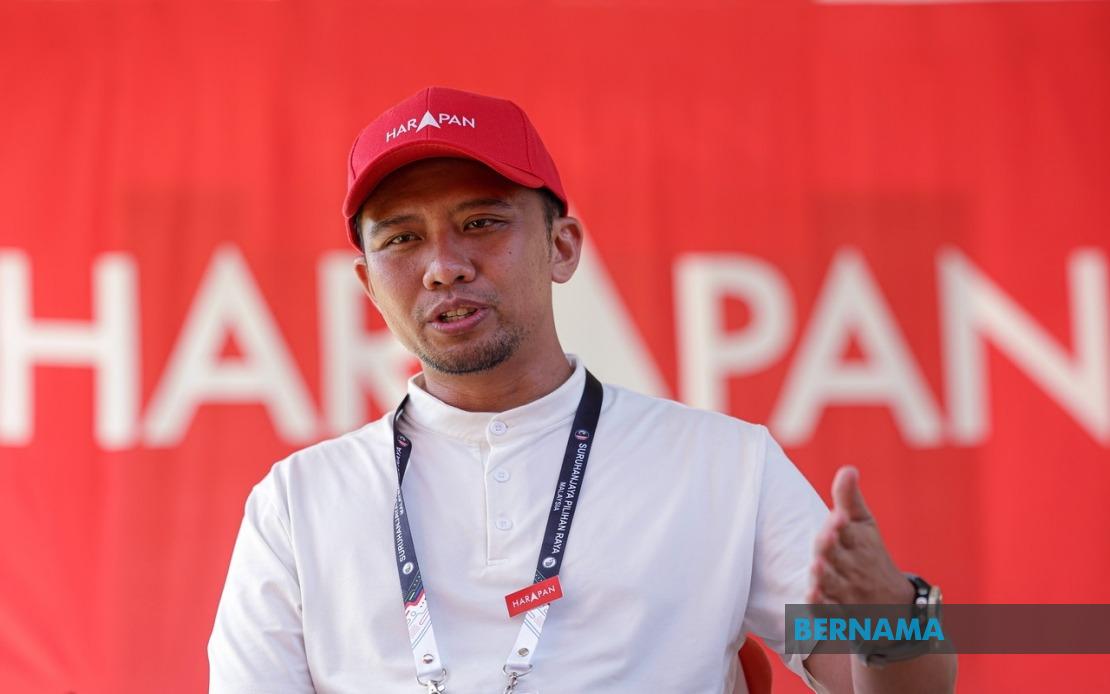
In an unconventional approach to electioneering, Pakatan Harapan's candidate for the Rantau state seat has weaponised his medical credentials to build grassroots support ahead of the Negeri Sembilan state election. Dr Azizul Hakim Mahdi, a 35-year-old physician who operates a private clinic in Senawang, is traversing the constituency armed with campaign materials in one hand and diagnostic tools in the other, providing complimentary health screenings to constituents as he seeks their votes. The strategy reflects a pragmatic recognition that electoral politics in Malaysia increasingly rewards candidates who directly address voter welfare concerns rather than relying solely on conventional messaging.
The initiative transcends typical campaign theatrics by addressing a demonstrable gap in accessible healthcare, particularly for vulnerable populations in the Rantau division. During his door-to-door visits, Dr Azizul conducts comprehensive health evaluations, reviews medication regimens for existing patients, and monitors compliance with hospital appointments among housebound individuals. This hands-on engagement allows the candidate to simultaneously gather intelligence on community health challenges while positioning himself as a tangible solution to everyday concerns. For rural and semi-urban voters who may defer medical consultations due to cost or mobility constraints, the programme offers immediate practical value beyond its campaign messaging.
Should the Rantau electorate grant him the seat, Dr Azizul envisions scaling this medical outreach into a permanent mobile clinic service blanket the constituency, ensuring equitable healthcare access across all residential settlements and villages. This expansion commitment reflects broader policy thinking beyond the immediate campaign period, suggesting he intends to institutionalise the healthcare component of his platform. The proposal carries particular resonance in Negeri Sembilan, where dispersed rural settlements and ageing demographics create persistent healthcare delivery challenges that state and federal resources have struggled to adequately address.
The Rantau constituency encompasses approximately 34,831 registered voters spread across diverse socioeconomic backgrounds. Dr Azizul's development agenda extends beyond healthcare to encompass youth economic empowerment, a critical consideration given Malaysia's ongoing struggle to absorb Technical and Vocational Education and Training (TVET) graduates into meaningful employment. His proposal to establish a specialised industrial park dedicated to TVET entrepreneurship—offering infrastructure for automotive workshops, food processing facilities, and related light manufacturing—directly addresses structural unemployment among skilled-trades graduates who often lack capital and suitable workspace to launch independent enterprises. This targeted economic intervention resonates with Malaysian policymakers' renewed focus on vocational pathways as counterweights to over-saturated university graduate markets.
The candidate's housing proposals specifically target the Sendayan area, a rapidly developing pocket within the constituency that has attracted migrant populations seeking affordable suburban living. Second and third-generation Felda settler families residing in Sendayan have articulated persistent complaints regarding residential options that balance affordability with modern amenities. Dr Azizul's commitment to facilitate housing development responsive to these demographic pressures signals attentiveness to the constituency's shifting composition and rising living standards expectations. This approach acknowledges that many Sendayan residents increasingly view their settlement as a destination rather than a transient waypoint, therefore demanding infrastructure investment appropriate to permanence.
Transportation infrastructure features prominently in Dr Azizul's platform, particularly his proposal to deploy artificial intelligence-powered smart traffic management systems to alleviate congestion plaguing Sendayan's arterial routes. This technology-forward commitment reflects broader Malaysian electoral trends toward candidates who articulate future-oriented solutions rather than maintenance-focused governance. Smart traffic systems, while not novel globally, remain relatively uncommon in Malaysian state constituencies, positioning the proposal as differentiated from typical opposition candidates' infrastructure messaging. The proposed investment in educational facilities—expanding schools and kindergarten capacity through Ministry of Education coordination—directly addresses complaints from residents like Asilah Samad, a 37-year-old Sendayan resident who has documented insufficient educational amenities relative to the area's explosive residential and commercial expansion.
Community safety concerns have emerged prominently in voter communications, with residents emphasising the need for enhanced street lighting, closed-circuit television surveillance at strategic locations, and increased security patrols. These concerns suggest that Sendayan's rapid development has outpaced simultaneous investment in public safety infrastructure, creating a governance gap that opposition candidates can credibly claim to address. Asilah's articulation of these concerns reflects broader anxieties in developing suburban areas where population growth and commercial activity expansion create perceived security vulnerabilities that residents attribute to incumbent administrative neglect.
Dr Azizul's contest represents a direct challenge to Datuk Seri Mohamad Hasan, the incumbent assemblyman, Foreign Minister, and Negeri Sembilan Barisan Nasional chairman. The competitive dynamic pits an established national political figure with ministerial leverage against an emerging local candidate whose primary asset is direct community engagement and professional credibility. Early voting commenced on July 28, with the formal polling day scheduled for August 1, providing limited timeframe for the campaign to consolidate voter preference shifts.
The candidacy illustrates evolving expectations for Malaysian political representation, where voters increasingly demand that politicians possess tangible professional expertise and demonstrate commitment to translating that expertise into constituent services. Dr Azizul's stethoscope-brandishing campaign methodology, while visually distinctive, operationalises a substantive proposition: that healthcare access deficiencies warrant electoral attention and that professional practitioners possess both moral authority and practical capability to address these gaps. Whether this healthcare-centric campaign framework resonates sufficiently with Rantau's 34,831 voters to overcome Barisan Nasional's incumbent structural advantages will illuminate broader patterns in Malaysian state-level electoral competition.

