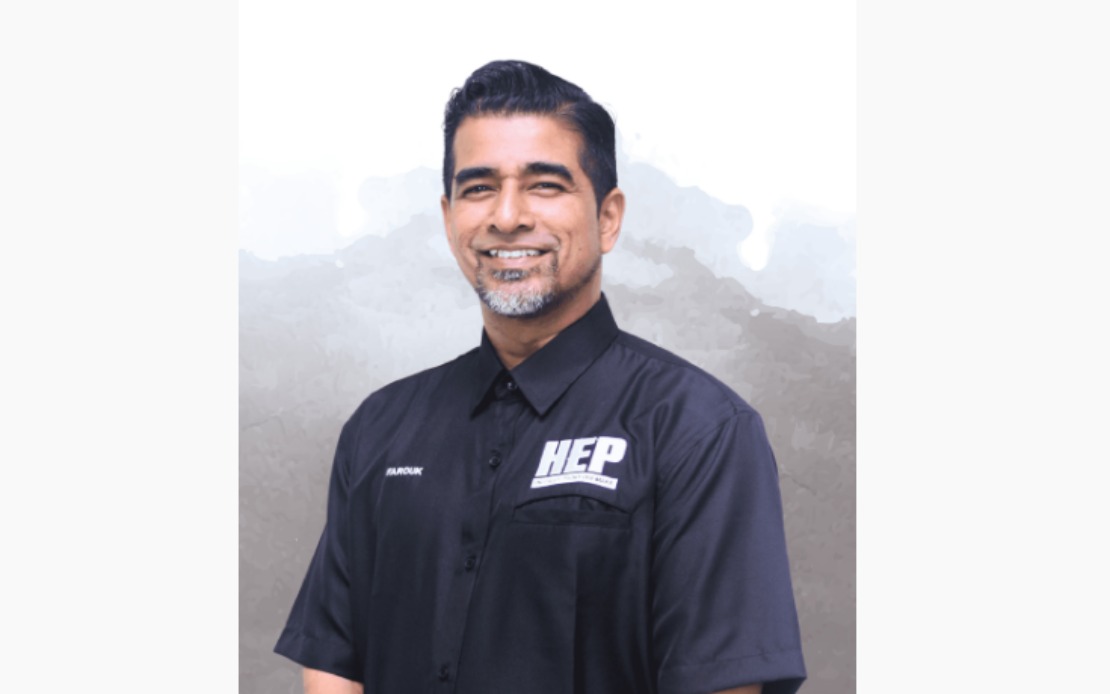
Universiti Teknologi MARA (UiTM) Kelantan has made an urgent appeal to students from low-income households not to turn away university admission offers, citing a comprehensive range of financial assistance programmes designed specifically to support their educational journey. The appeal comes as competition for places at Malaysia's public universities intensifies, making it increasingly critical that qualified students recognise and utilise the opportunities available to them. According to Meer Zhar Farouk Amir Razli, Deputy Rector for Student Affairs at the Kelantan campus, many prospective students remain unaware of the full extent of support mechanisms beyond conventional PTPTN loans that can substantially reduce their financial burden.
The university operates multiple layers of financial assistance tailored to different student circumstances. Beyond the National Higher Education Fund Corporation (PTPTN) education loans that many families rely upon, UiTM Kelantan provides zakat-based financial support, university welfare funds, and access to dedicated facilities under the Dapur MADANI initiative. This multifaceted approach reflects growing institutional recognition that financial constraints remain a significant barrier to higher education access among Malaysia's underprivileged populations. The Dapur MADANI scheme, administered through residential colleges, specifically targets living expense management, allowing students to address accommodation, food, and basic necessities without depleting family resources or accumulating excessive personal debt.
Meer Zhar's remarks were made during the university's Rector's Cakna Programme, a community-centred initiative developed in partnership with local non-governmental organisations. The programme demonstrates institutional commitment to proactive student support, moving beyond passive application of aid criteria to actively identify and assist newly enrolled students requiring intervention. This approach reflects broader sector trends toward personalised welfare systems that account for individual circumstances rather than one-size-fits-all policies. The emphasis on student engagement before rejection decisions represents a shift in higher education philosophy, acknowledging that financial anxiety often prompts capable students to abandon educational aspirations prematurely.
One beneficiary illustrates the profound impact such programmes can achieve. Norzarra Dhania Amir Abdullah, a nineteen-year-old student now enrolled in UiTM Kelantan's Diploma in Management programme, initially received an admission offer from UiTM Sarawak last year but declined due to insurmountable family financial constraints. As the eldest of seven siblings, she carries substantial household responsibilities following her father's diagnosis with diabetes four years ago. The family's income depends entirely on her mother's work as a restaurant assistant—a precarious situation that forced an agonising choice between educational advancement and family survival. The emotional toll of foregone opportunity crystallised her determination to pursue further education when circumstances improved.
Norzarra Dhania's second opportunity arrived when UiTM Kelantan offered admission, a geographic advantage that fundamentally altered feasibility calculations. The Kelantan campus's proximity to her family home substantially reduces travel expenses and accommodation requirements, transforming an otherwise unaffordable prospect into a manageable undertaking. This geographic dimension highlights an often-overlooked aspect of higher education accessibility—institutional proximity carries tangible financial implications for disadvantaged students whose families cannot absorb significant living costs. The university's receipt of her enrolment also exemplifies how multiple attempts and changing circumstances can eventually align opportunity with capacity, provided students maintain aspirational persistence.
Recognising Norzarra Dhania's circumstances, the Rector's Cakna Programme provided direct material support through laptop provision, facilitating her academic preparation for the September semester commencement. Such targeted equipment assistance addresses specific barriers to educational engagement, acknowledging that technology access represents a non-negotiable foundation for contemporary higher education participation. The laptop donation transcends symbolic gesture, providing tangible infrastructure essential for coursework, research, and digital submission requirements. This practical support arrives at the critical pre-semester phase when students establish foundational study habits and technological competency.
The broader context surrounding such individual stories involves Malaysia's competitive higher education landscape, where available university places remain constrained relative to qualified applicants. This scarcity intensifies the stakes for disadvantaged students, as rejection of offers carries compounded opportunity costs. Each forgone admission represents not merely delayed educational progression but potential permanent exclusion from competitive selection processes, as subsequent application rounds encounter larger applicant pools and unchanged capacity constraints. The cumulative effect of individual rejection decisions by financially stressed students represents concealed human capital loss—talented individuals diverted from higher education pathways by solvable financial obstacles rather than academic limitations.
UiTM Kelantan's advocacy thus addresses both immediate student circumstances and systemic efficiency concerns. By encouraging acceptance of offers and demonstrating available support infrastructure, the institution attempts to convert financial anxiety from a disqualifying factor into a manageable challenge. This approach requires institutional confidence in support programme adequacy and student capacity for successful navigation of complex aid systems. The emphasis on proactive information dissemination—encouraging students and parents to investigate assistance options before rejection decisions—recognises that financial support information often fails to reach intended beneficiaries through passive channels.
The Dapur MADANI initiative's residential college integration represents structural innovation addressing the specific vulnerabilities of on-campus students. By positioning living expense assistance directly within residential infrastructure, the programme removes geographic separation between support providers and student populations. This proximity facilitates both initial access and ongoing support adjustment as circumstances evolve throughout academic careers. The zakat-based component additionally leverages Islamic financing traditions familiar to Muslim students, potentially reducing cultural barriers to aid acceptance while recognising religious obligation dimensions of wealth distribution.
For Malaysian policymakers and institutional leaders, the Kelantan initiative signals broader commitment to higher education equity within public university systems. However, individual institutional efforts require complementary policy frameworks ensuring sustainable funding, staff capacity for personalised assistance, and systematic coordination across multiple aid schemes. The contrast between Norzarra Dhania's initial rejection and eventual acceptance underscores how marginal circumstances—institutional location, timing of opportunities, knowledge of assistance programmes—disproportionately affect disadvantaged populations' educational trajectories. Systemic equity requires addressing these marginal factors through institutional design rather than depending on individual persistence and fortunate circumstance alignment.
Looking forward, the replicability of UiTM Kelantan's approach across Malaysia's public university system remains contingent on resource availability and institutional prioritisation of access objectives. As regional economies increasingly demand tertiary-educated workforces, overlooking capable students from disadvantaged backgrounds represents both ethical failure and economic inefficiency. The Rector's Cakna Programme and associated assistance mechanisms demonstrate that financial barriers need not constitute permanent educational exclusion, provided institutions invest adequate resources in proactive identification, support provision, and student empowerment. Norzarra Dhania's trajectory—from resigned acceptance of forgone opportunity to enthusiastic engagement with accessible education—illustrates the transformative potential of institutional commitment to inclusive higher education access.