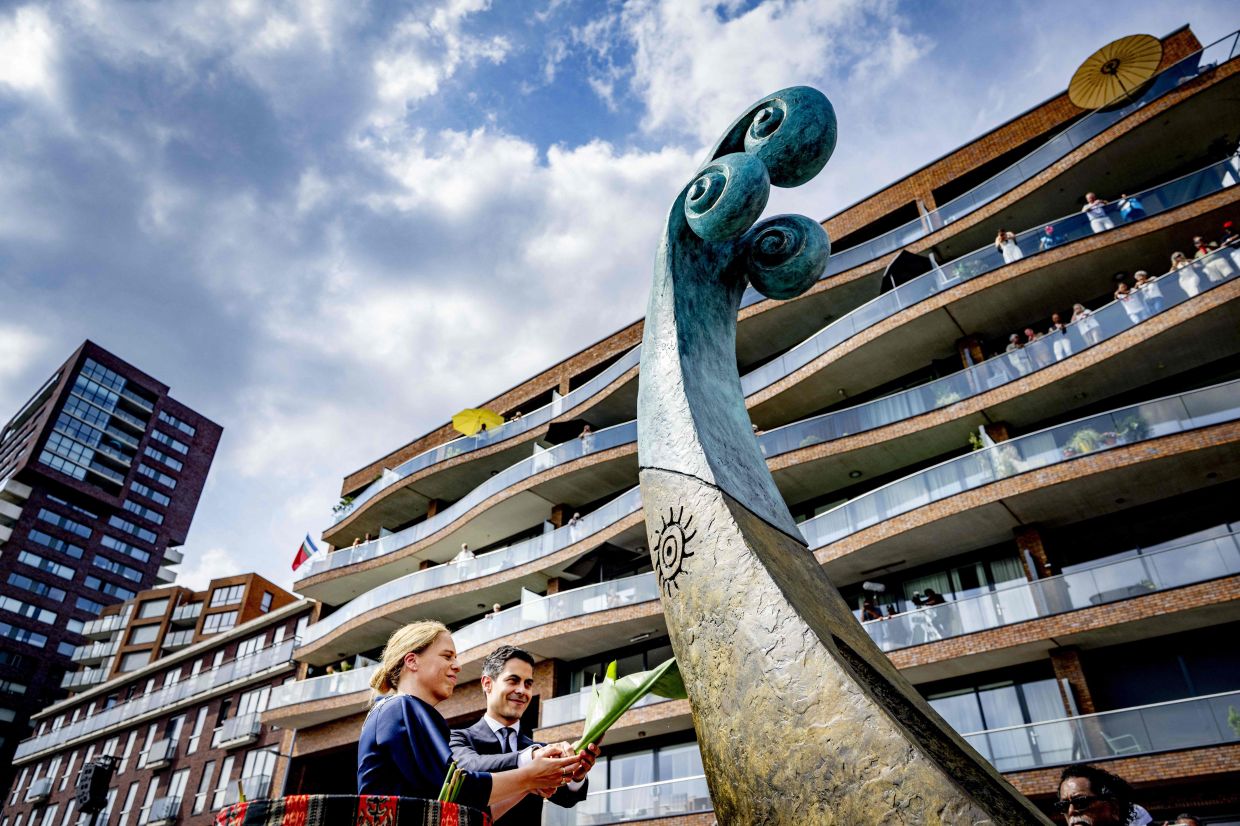
Dutch Prime Minister Rob Jetten delivered a formal state apology on Sunday to members of the Moluccan diaspora in the Netherlands, addressing one of the most contentious legacies of the post-colonial period in European-Indonesian relations. The emotional ceremony, held in Rotterdam with hundreds of Moluccans in attendance, marks an official reckoning with historical injustices that have reverberated across generations and maintained tension between Amsterdam and Jakarta for more than seven decades.
The Moluccans, indigenous to the so-called spice islands in eastern Indonesia, found themselves caught between two nations during one of Asia's pivotal historical moments. During the Dutch colonial period and the subsequent independence struggle following World War II, many Moluccans enlisted in the Royal Netherlands East Indies Army, believing their service would secure them a place in the post-independence political order. However, when Indonesian independence became a reality in 1949, their allegiance to the Dutch colonial administration suddenly transformed them into unwelcome outsiders in their own homeland, making them targets for reprisals by nationalist forces who viewed them as collaborators.
Facing persecution and death threats, approximately 12,500 Moluccans accepted what was presented as a temporary relocation to the Netherlands. Dutch and Indonesian negotiators framed this as a brief humanitarian measure, with the understanding that the community would eventually return home once conditions stabilised. The arrangement reflected the pragmatic compromises made between European colonial powers and newly independent nations in the immediate post-war era, yet it proved to be a bitter deception that would shape the lives of hundreds of thousands across multiple generations.
Instead of the promised temporary stay, the Dutch government effectively abandoned its commitment to repatriation. Moluccan families were consigned to severely inadequate housing, often in converted military barracks and former concentration camps that had been used during Nazi occupation—a particularly haunting choice given the recent Holocaust trauma that Europe was still processing. The deliberate neglect of integration efforts meant that Moluccans remained isolated from broader Dutch society, denied meaningful employment opportunities and confined to the margins of their adopted country. Many spent decades in substandard accommodation, trapped between a homeland they could not safely return to and a society that refused to fully accept them.
At the ceremony unveiling the Ulu Kora monument on Lloydkade in Rotterdam—the very dock where the first ships carrying Moluccan families arrived—Jetten acknowledged the specific dimensions of this historical injustice. His apology encompassed the inadequate reception infrastructure, the systematic exclusion from housing and employment networks, and the profound spiritual wound of permanent displacement from home. Speaking with visible emotion to an audience many of whom held photographs of deceased relatives, Jetten articulated recognition of the psychological and intergenerational trauma inflicted by institutional indifference and broken commitments.
The second and third generations of Moluccans, born and raised in the Netherlands without ever seeing their ancestral islands, experienced particular anguish from this limbo status. During the 1970s, frustrated young Moluccans who had grown up in exclusion and heard stories of promised homelands they would never see took increasingly violent action to draw attention to their plight. Train hijackings and other dramatic incidents shocked Dutch society and forced the Netherlands to confront, however reluctantly, the Moluccan question that it had spent decades attempting to ignore. These acts of desperation, though condemnable, reflected the breaking point of a community that had been abandoned by both the nation they served and the nation that had become their involuntary home.
Jetten's statement acknowledged the limitations of words in remedying historical wrongs, demonstrating awareness that formal apologies cannot undo decades of institutional abandonment or restore lost years to those who died in exile. Yet he framed the apology as essential recognition of injustice and an act of historical accountability that, while incomplete, represents a critical step toward acknowledging Dutch culpability in perpetuating this injustice. For many Moluccans, particularly aging first-generation members and their descendants, the formal recognition carries symbolic weight as validation that their suffering was not inevitable but rather the result of deliberate policy choices.
The apology also carries significance for contemporary Southeast Asian politics and Dutch-Indonesian bilateral relations. Indonesia, as the nation whose independence created the conditions for Moluccan vulnerability, has itself grappled with questions about how to address the legacy of the Moluccan community and their claims to an independent homeland. The Netherlands' formal acknowledgment of responsibility creates pressure for broader regional discussions about historical justice, the treatment of minorities during decolonisation, and the long-term consequences of abandoning commitments made during transitional periods.
For Malaysian and broader Southeast Asian audiences, the Moluccan case offers instructive parallels and contrasts. The region experienced similar post-colonial dislocations and community fractures following independence, yet the Moluccan situation's length and severity—spanning more than seventy years of institutional abandonment—underscores how colonial legacies can perpetuate through apparently post-colonial structures. The apology demonstrates that even wealthy European democracies eventually face accountability for historical injustices, suggesting that Southeast Asian nations and international organisations should similarly examine their own records regarding displaced communities and unfulfilled commitments made during independence transitions.
The monument and ceremony represent a turning point in how the Netherlands addresses its post-colonial past, moving beyond denial toward a more honest reckoning with the human costs of decolonisation. While the apology cannot restore what was lost or undo the generational trauma, it provides public acknowledgment that the Moluccan community's suffering resulted from concrete policy failures rather than historical inevitability, and it opens space for more comprehensive discussions about compensation, restitution, and preventative frameworks for future humanitarian crises involving displaced populations.

