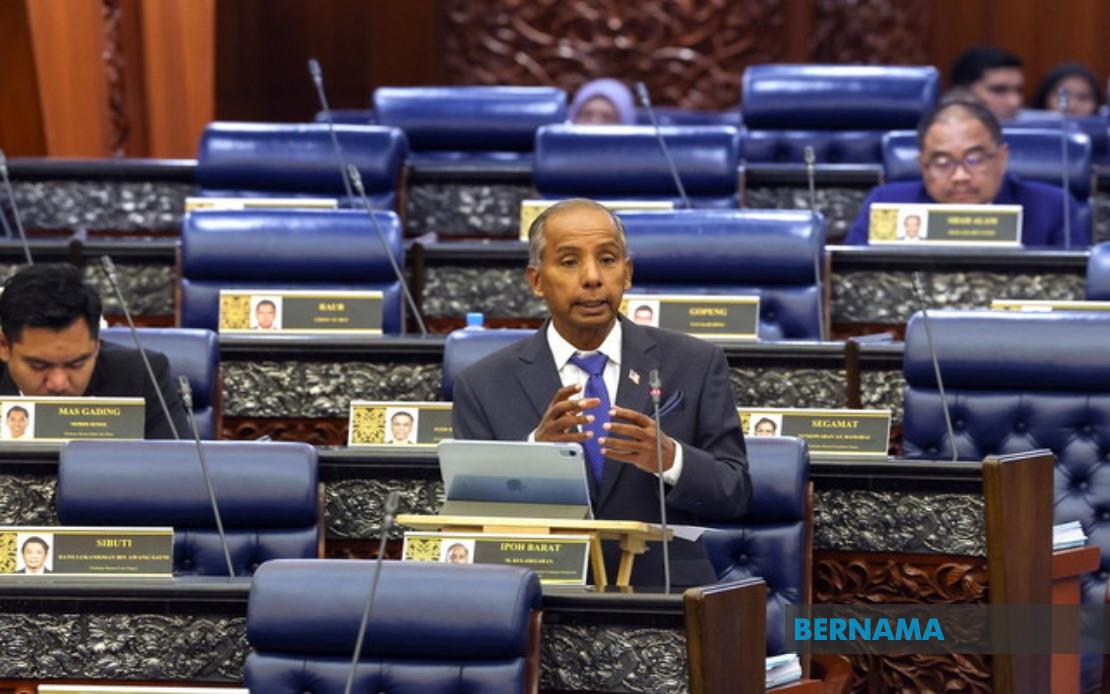
The Election Commission has embarked on a comprehensive examination of implementing domestic postal voting for Malaysians across all regions, with Deputy Minister M. Kulasegaran confirming the study will conclude within the next year. The proposal represents a significant shift in how the country could conduct elections, potentially enabling broader participation among voters who face geographical or logistical barriers to reaching polling stations on election day.
Kulasegaran, who serves as Deputy Minister in the Prime Minister's Department (Law and Institutional Reform), emphasised that the Election Commission's evaluation encompasses far more than technical feasibility. The review requires extensive engagement with diverse stakeholders, particularly political parties whose support would be essential for any legislative amendments needed to operationalise postal voting at a national scale. This consultative approach reflects recognition that electoral reforms touch fundamental democratic processes and require broad consensus.
The study's scope extends across Peninsular Malaysia, Sabah and Sarawak, acknowledging that postal voting carries different implications in each region. In Peninsular Malaysia, a densely populated area with established infrastructure, implementation might differ substantially from Sabah and Sarawak, where vast geographic distances and lower population density in many areas create distinctive voting challenges. Understanding these regional variations is crucial for designing a system that genuinely improves accessibility rather than creating new inequities.
Postal voting has long been advocated by voting rights advocates as a mechanism for increasing electoral participation. Voters unable to travel to their designated polling stations due to work commitments, illness, disability, or residence abroad have historically faced disenfranchisement or significant inconvenience. Expanding postal voting could particularly benefit Malaysian expatriates and workers in other countries, as well as individuals with mobility challenges, though safeguards against fraud and electoral manipulation would be essential components of any final framework.
In a parallel development signalling potential structural reform of Malaysia's electoral institutions, Kulasegaran indicated the government is receptive to reconsidering the Election Commission's administrative position. Currently the EC operates under the purview of the Prime Minister's Department, an arrangement that some observers have questioned regarding institutional independence. Moving the Commission under parliamentary oversight could strengthen its autonomy from executive influence and potentially enhance public confidence in electoral administration.
Kulasegaran acknowledged that shifting the Election Commission's supervisory authority merits serious consideration, indicating the government views this as a legitimate suggestion warranting detailed deliberation among relevant ministries and institutions. Such restructuring would require legislative amendments and careful design to ensure Parliament's oversight enhances rather than complicates electoral administration. The timing and mechanics of any such transition remain undetermined, contingent on broader consensus building.
Addressing concerns about enforcement weaknesses in current electoral procedures, Kulasegaran defended the existing regulatory framework governing mobile phone use at polling stations. The Election Commission maintains that its present control mechanisms sufficiently discourage unauthorised photography and recording at polling streams. The government has not identified deficiencies warranting amendment of procedures or designation of phone violations as a specific offence under the Election Offences Act 1954, reflecting confidence in current enforcement approaches.
The mobile phone issue reflects broader tensions between electoral security and practical enforcement. While photographs and recordings at polling stations could theoretically compromise ballot secrecy and enable voter coercion documentation, actual incidents appear limited. The Election Commission's assessment that existing mechanisms prove adequate suggests the identified problem may not justify introducing new statutory offences, though critics might counter that proactive measures could prevent future problems rather than responding only to documented violations.
For Malaysian readers and democratic observers, the postal voting initiative represents recognition that electoral accessibility merits systematic examination in contemporary governance contexts. Many established democracies have substantially expanded postal and absentee voting options, yet each jurisdiction must balance accessibility against fraud prevention and operational feasibility. Malaysia's study process, by engaging political parties and other stakeholders, mirrors responsible policy development approaches that seek legitimacy beyond government endorsement alone.
The timeline for completing the study positions potential electoral reforms for consideration within the current parliamentary term, assuming the study progresses as projected. However, translating findings into legislative change requires further steps beyond the Commission's completion of its examination. Political consensus, drafting of amendments to electoral legislation, parliamentary debate and passage, and development of operational guidelines would all follow the study's conclusion, suggesting any implementation remains several years away.
The simultaneous discussion of Commission independence reflects recognition among policymakers that institutional reforms and procedural modernisations should advance together. Electoral systems depend upon public confidence in both their technical fairness and administrative impartiality. Enhancing postal voting access while simultaneously addressing institutional governance arrangements could strengthen overall public trust in Malaysia's democratic apparatus, though each reform component must be rigorously evaluated on its individual merits.
For Southeast Asia more broadly, Malaysia's deliberative approach to electoral modernisation offers a model emphasising consultation and staged implementation rather than rapid revolutionary change. As regional democracies grapple with technological disruption and evolving voter expectations, careful study combined with broad stakeholder engagement may prove more sustainable than alternatives. The coming year's research findings could inform not only Malaysian electoral policy but also regional discussions about modern democratic administration.

