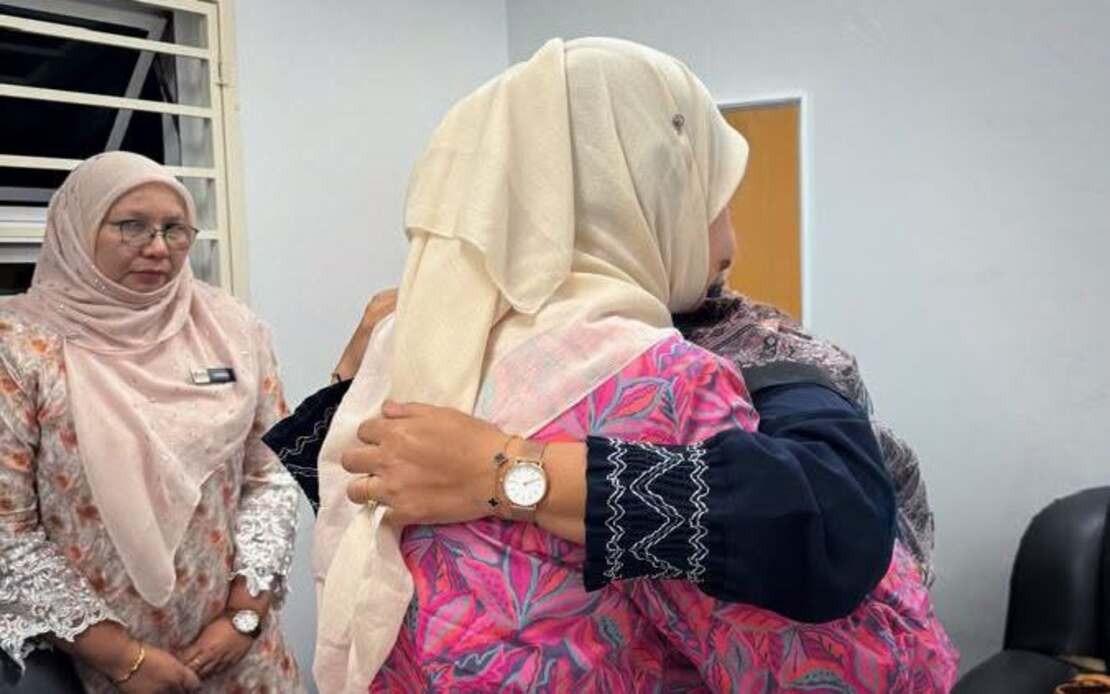
A 16-year-old female student died at a school in Negeri Sembilan on June 19, prompting Education Minister Fadhlina Sidek to call for public restraint and respect towards the grieving family during this sensitive time. The incident has triggered a police investigation, with the ministry pledging its full cooperation in establishing the circumstances surrounding the death.
Fadhlina's appeal reflects growing concerns about media intrusion and public speculation during investigations into deaths involving students. In her statement, the Education Minister emphasised that the immediate priority is ensuring the family receives comprehensive support while authorities conduct their inquiry. The call for privacy is particularly significant given Malaysia's active social media landscape, where sensitive incidents involving young people often generate rapid public discourse before facts are established.
Following the student's death, Fadhlina and Education Director-General Datuk Dr Mohd Azam Ahmad made a personal visit to Rembau Hospital to meet the deceased's family and offer direct support. This hands-on approach underscores the ministry's recognition of the gravity of losing a student, though details surrounding the death's circumstances remain undisclosed pending investigation completion. The hospital visit demonstrates the government's commitment to pastoral care during institutional crises.
The incident has reignited discussion about duty of care in educational settings and the support systems available to students. While specific circumstances have not been made public, such incidents typically prompt reviews of school facilities, wellbeing programmes, and emergency response protocols. Schools across Malaysia often face pressure to balance student privacy with transparent communication to reassure parents and communities.
Police investigations into student deaths typically involve pathological examination, witness interviews, and careful documentation of the events leading up to the incident. Given the age of the deceased and the school setting, investigators likely follow standardised procedures that incorporate sensitivity training, particularly when interviewing peers and staff who may have witnessed events or known the student closely.
Fadhlina's invocation of religious sentiment in her statement—offering prayers for the student's soul and requesting strength for the family—reflects Malaysia's context as a Muslim-majority nation where faith often provides comfort during grief. However, her emphasis on giving the family space also sends a clear message to both media and public about respecting boundaries during investigations, a principle applicable across Malaysia's diverse communities.
The timing of such incidents often poses challenges for educational institutions managing both operational continuity and community welfare. Schools must decide when and how to communicate with students, parents, and staff about what has occurred, balancing the need for transparency with the family's privacy rights. The ministry's involvement at the highest level suggests awareness that stakeholder confidence depends on visible, compassionate institutional response.
For Malaysian parents, incidents involving student welfare naturally generate anxiety about school safety and support systems. Such events typically prompt institutions to review their mental health resources, counselling availability, and staff training in recognising students in distress. The education sector has increasingly recognised that holistic student wellbeing extends beyond academic achievement to encompassing physical, emotional, and psychological health.
The appeal for public sensitivity carries implicit recognition that rumour and speculation can compound family trauma during investigations. In Malaysia's interconnected communities, particularly smaller towns like those in Negeri Sembilan, institutional incidents become subjects of neighbourhood conversation, potentially creating additional hardship for those directly affected. Official requests for privacy serve to establish a protective boundary around the grieving process.
As the police investigation proceeds, the ministry's stated cooperation indicates information-sharing protocols between education authorities and law enforcement. This coordination ensures that investigative findings eventually inform any policy adjustments or institutional improvements, though such conclusions typically emerge only after investigations conclude. Until then, Fadhlina's message emphasises patience and compassion as the appropriate public response to tragedy within the education system.

