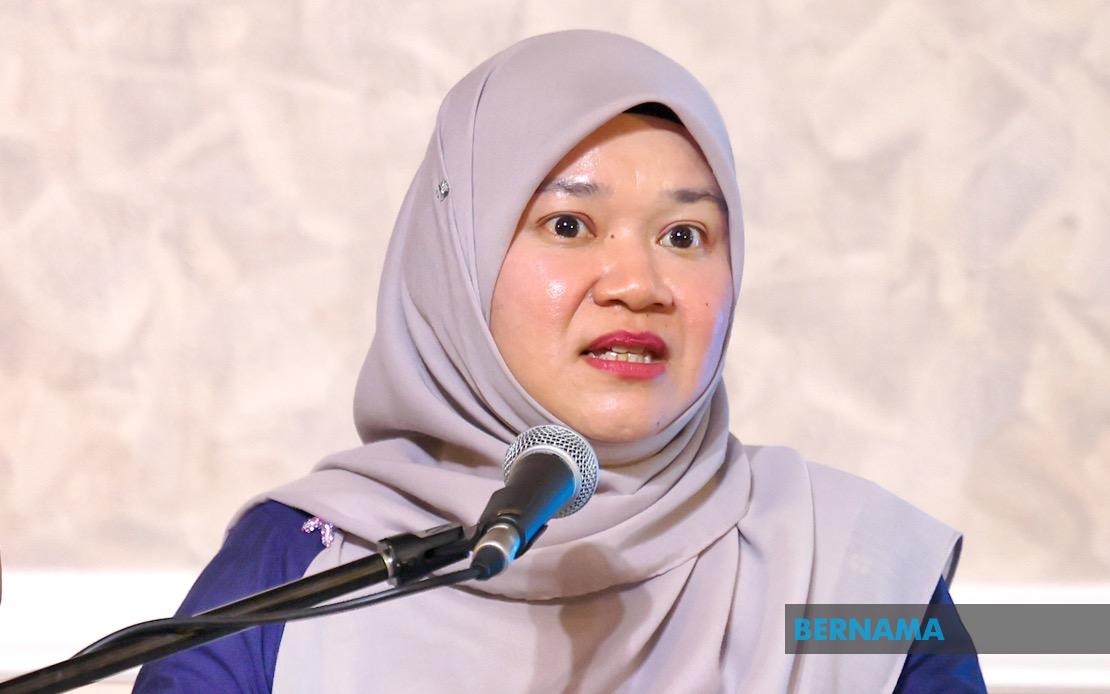
Education Minister Fadhlina Sidek, who heads the PKR Wanita wing, has taken legal action against those responsible for creating and distributing a synthetic video designed to damage her professional standing and personal character. The incident marks a concerning escalation in the weaponisation of artificial intelligence technologies against Malaysian political figures, particularly women in high-ranking government positions.
Fadhlina issued a statement confirming that she has formally reported the matter to police, responding swiftly to what she characterised as a deliberate and calculated campaign. She expressed deep regret over the content of the video, which she stressed contained entirely fabricated allegations unsupported by any factual basis. The distribution of such material, she argued, represents not merely a personal grievance but a broader threat to civil discourse and democratic norms in the country.
The use of AI-generated deepfakes to create false and damaging content targeting public figures has emerged as a significant concern across Southeast Asia in recent years. Malaysia, with its vibrant political landscape and active social media ecosystem, has not been immune to this trend. The technology allows malicious actors to produce convincing but entirely false videos with minimal technical expertise, making it increasingly difficult for the public to distinguish fact from fiction in an age of information saturation.
Fadhlina's swift action in filing a police report reflects growing awareness among Malaysian officials about the importance of legal deterrence against such attacks. By involving law enforcement, she has signalled that individuals engaged in creating and distributing defamatory synthetic media will face consequences under existing legal frameworks, potentially including provisions under the Penal Code addressing criminal defamation and the Communications and Multimedia Act addressing online harassment.
The targeting of female politicians through fabricated videos designed to tarnish their reputations is a particularly insidious form of harassment that has consequences beyond individual dignity. Research across the region has shown that such attacks disproportionately affect women in politics, often discouraging capable individuals from seeking public office and reinforcing harmful gender-based stereotypes. Fadhlina's willingness to publicly address the matter sends an important message that such tactics will not go unchallenged.
In her statement, Fadhlina broadened the scope of her response beyond the immediate incident by calling on all stakeholders to take a united stance against slander, character assassination, and sexual harassment targeting female politicians. This framing acknowledges that the problem extends beyond this single case and reflects systemic issues within Malaysian political culture that require comprehensive attention. Her appeal for collective action represents an attempt to build momentum for cultural and institutional reforms that protect political discourse from degradation.
The circulation of malicious content targeting government officials, particularly at ministerial level, also raises questions about information security and the adequacy of existing safeguards. The Education Ministry, as a sensitive institution overseeing the nation's educational system, may face additional vulnerabilities to campaigns designed to undermine public confidence in its leadership. The incident thus carries implications for institutional governance and public trust that extend beyond Fadhlina's personal interests.
Law enforcement agencies in Malaysia will face mounting pressure to develop specialist capabilities in investigating and prosecuting crimes involving deepfakes and AI-generated content. The traditional evidentiary standards and investigative procedures may prove inadequate when applied to purely synthetic material, necessitating collaboration with technology experts and potentially new legislative frameworks specifically addressing artificial intelligence-enabled offences. The police response to Fadhlina's report will likely establish important precedents for how such cases are handled going forward.
The incident also underscores the broader challenge facing democracies throughout the region regarding information integrity during heightened political periods. As Malaysia approaches important political cycles, the vulnerability of the nation's information ecosystem to sophisticated disinformation campaigns becomes increasingly apparent. The ease with which convincing false content can be manufactured and distributed poses fundamental challenges to informed democratic participation and political accountability.
Fadhlina's position as both a cabinet minister and the chief of PKR's women's wing gives her platform and resources to pursue this matter robustly, yet many other women in politics or public life facing similar attacks lack comparable support systems. This disparity raises questions about access to justice and the adequacy of protections for ordinary citizens targeted by synthetic media campaigns. Broader policy interventions, potentially including government support for victims of deepfake harassment, may warrant consideration.
The incident arrives amid growing international focus on regulating artificial intelligence technologies, with several countries developing or implementing frameworks to control the creation and distribution of harmful synthetic media. Malaysia's response to this case may influence whether the country develops similar regulatory approaches or relies primarily on existing legal provisions. The balance between protecting free expression and safeguarding individuals from false and defamatory synthetic content remains a challenging policy question with no simple solutions.

