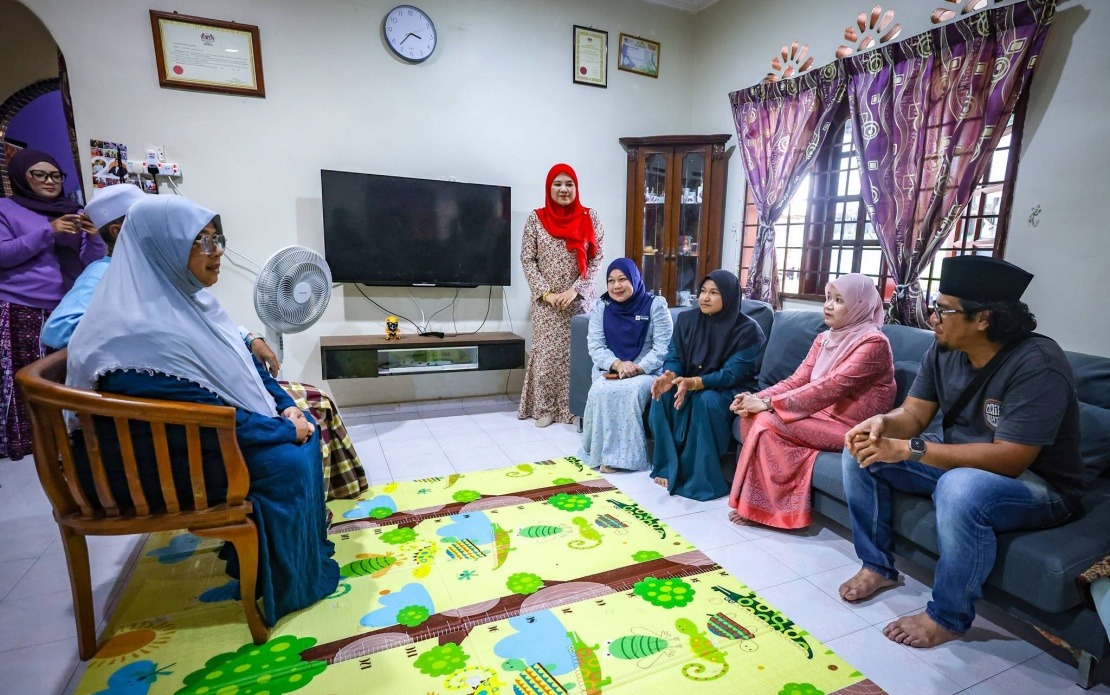
Education Minister Fadhlina Sidek travelled to Melaka on June 26 to personally convey the Ministry of Education's sympathies to the bereaved family of Muhammad Raiyan Nufael, a Form Two student whose sudden death has sent shockwaves through the school community. The minister's visit underscored the gravity with which the education authorities are treating the incident, which occurred during what should have been a routine sporting activity at the Telok Mas institution.
The tragedy unfolded on Wednesday evening when the 14-year-old collapsed during a rugby training session at approximately 6 pm. According to preliminary accounts, the teenager had participated in only about 15 minutes of the training activity before the incident occurred. He was listening to instructions from his coach following a brief rest period when he suddenly experienced respiratory distress, prompting immediate intervention from those present at the venue.
In her Facebook announcement, Fadhlina expressed the ministry's deep condolences to the boy's parents, offering words of comfort during their unimaginable grief. She invoked religious sentiments in her message, praying that the soul of the deceased would be blessed and that his family would find the spiritual fortitude to endure this devastating loss. The public nature of her statement reflected an institutional acknowledgment of the tragedy's profound impact on not just the immediate family, but the wider school and national community.
The incident raises critical questions about student safety protocols during extracurricular sporting activities in Malaysian schools. Rugby, while an established sport in many secondary institutions, carries inherent physical demands and potential health risks that require robust safeguarding measures. The fact that a young athlete could collapse so rapidly after minimal exertion suggests the need for thorough medical screening and on-site emergency preparedness before allowing students to participate in contact sports.
School administrators and sports coordinators nationwide will likely be reviewing their current safety frameworks in light of this tragedy. Questions surrounding whether adequate medical personnel were present during the training session, whether the student had undergone pre-participation fitness assessments, and what environmental conditions existed at the time of collapse will inevitably form part of any subsequent investigation. These procedural gaps, if they exist, represent systemic vulnerabilities that extend beyond this single institution.
The loss of a young life engaged in what authorities promote as character-building activity creates a complex narrative for Malaysian schools. While physical education and sports development remain cornerstones of holistic student development, incidents such as this compel educators and policymakers to recalibrate risk management practices. Parents across the country will naturally scrutinise the safety measures governing their own children's participation in school sports programmes.
For the Telok Mas school community, the incident will leave lasting emotional scars. Staff members who witnessed the collapse, fellow students who trained alongside Muhammad Raiyan, and the broader school population will require support in processing this trauma. Educational institutions should consider implementing counselling services and trauma-informed responses to help stakeholders come to terms with the loss while maintaining confidence in their sporting programmes.
The ministry's swift response through the minister's personal visit demonstrates institutional accountability, yet it also signals that deeper systemic reviews are warranted. Other state education departments should take note and conduct audits of their own sports safety protocols, emergency response procedures, and medical infrastructure at training venues. The implementation of mandatory automated external defibrillators, trained first responders, and clear emergency escalation procedures could potentially mitigate future tragedies.
Parents considering whether their children should continue participating in school sports may experience heightened anxiety following this incident. Transparent communication from school administrators about the specific circumstances, any lapses in safety procedures, and concrete corrective measures will be essential to rebuilding parental confidence. The narrative must shift from one of tragedy and potential negligence to one of institutional learning and enhanced protection.
This incident also highlights the importance of pre-participation medical clearances for student athletes, particularly those engaged in demanding sports such as rugby. Undiagnosed cardiovascular conditions, heat-related illnesses, or other underlying health vulnerabilities may not be immediately apparent but can prove fatal during intense physical activity. Comprehensive screening before enrolment in contact sports, combined with regular health monitoring, represents a preventive approach that Malaysian schools should seriously consider implementing as standard practice.
As the investigation into the precise medical and operational circumstances unfolds, the focus must remain on ensuring that such tragedies become increasingly rare in the Malaysian education system. This requires sustained commitment from policymakers, school leadership, parents, and healthcare professionals to create an environment where young athletes can pursue sporting excellence while their physical safety and wellbeing remain paramount concerns.

