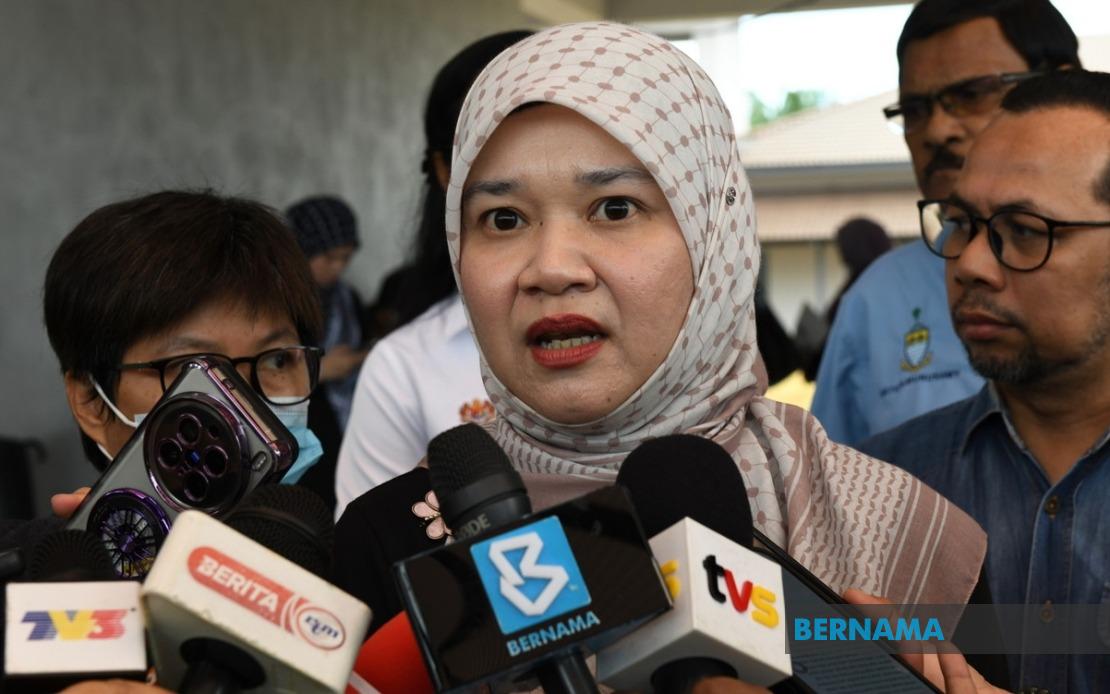
The Ministry of Education has moved decisively to address serious allegations of bullying and discriminatory conduct at a Kuala Lumpur school, directing multiple departments to accelerate their investigation into the matter. Education Minister Fadhlina Sidek issued instructions to the Schools Inspectorate, the District Education Office, and the Federal Territory of Kuala Lumpur Education Department to complete their internal probe with urgency, underscoring the gravity with which the government is treating the case.
The investigation comes in the wake of a student's death at the school, an incident that has drawn significant public attention and concern. Fadhlina acknowledged the profound impact the tragedy has had on the school community and expressed her sympathies for the family and all those affected. Her public commitment to addressing the matter reflects the sensitivity surrounding school safety and student welfare, issues that resonate deeply across Malaysian society where parental concerns about their children's wellbeing in educational institutions remain high.
The Minister emphasised that allegations touching on bullying and racial discrimination cannot be dismissed or delayed, as they strike at the heart of Malaysia's educational values and social cohesion. She stated that such matters must be investigated thoroughly and resolved based on factual evidence and proper procedural safeguards. This stance signals that the Ministry recognises the dual imperative of both addressing legitimate grievances and ensuring that any actions taken are legally sound and fair to all parties involved.
Coordination between government agencies has been activated to manage the multifaceted dimensions of this case. The MOE is working in tandem with police investigators and has engaged both the Social Welfare Department and the Ministry of Health to ensure comprehensive support and investigation. This inter-agency approach reflects an understanding that student deaths in contested circumstances require not only educational accountability but also welfare, health, and law enforcement expertise to fully understand what occurred and prevent similar incidents.
Recognising the emotional and psychological toll on the broader school community, the Ministry has mobilised its Smart Support Team to provide psychosocial assistance and crisis intervention to students affected by the tragedy. This support mechanism is designed to help young people process trauma and maintain their emotional equilibrium during a period of uncertainty and grief. Teachers have also been briefed on the investigation's progress and the legal processes underway, ensuring they understand their role in supporting students while the matter remains under review.
The family of the deceased student has been provided dedicated counselling support through the MOE's own counselling team, acknowledging that they face both grief and the additional burden of public scrutiny. This targeted assistance reflects a recognition that bereaved families require sensitive, ongoing support from trained professionals. Simultaneously, the Ministry has committed to monitoring the welfare of teaching staff, who may experience stress arising from the investigation and its implications for their institution.
Fadhlina's public statements underscore the Ministry's commitment to restoring confidence in the school's safety and culture. By explicitly prioritising justice for all stakeholders, she has signalled that the investigation will not be rushed to predetermined conclusions but will follow evidence and due process. This balance between responsiveness and fairness is critical in maintaining public trust in educational institutions, particularly given that parents entrust schools with the care and development of their children during formative years.
The incident highlights broader challenges within Malaysia's education system regarding school safety, peer relationships, and the protection of vulnerable students. Bullying remains an under-reported problem in many Malaysian schools, and cases that escalate to tragic outcomes force a reckoning with systemic issues. The emphasis on racial discrimination within the alleged conduct suggests that tensions around Malaysia's multicultural society may also play a role, reflecting concerns that continue to surface periodically in school settings.
For the wider Malaysian community, this case serves as a reminder of the importance of vigilance regarding school environments and the need for robust mechanisms to address complaints before they escalate. Educational institutions serve as crucial sites where Malaysia's diverse population learns to coexist, and failures in these spaces can have profound consequences. The Ministry's response, if executed transparently and comprehensively, may establish a template for how such sensitive cases are handled in future.
The accelerated investigation timeline signals that the Ministry recognises the public interest in swift resolution and the need to prevent further harm or speculation. However, rushing judgment would be counterproductive; the commitment to evidence-based findings and due process suggests officials understand that credibility in resolving such matters depends on thoroughness rather than speed alone. As the investigation proceeds, clarity regarding its findings will be essential for rebuilding trust within the affected school community and reassuring parents across Malaysia that their children's safety remains a paramount concern.

