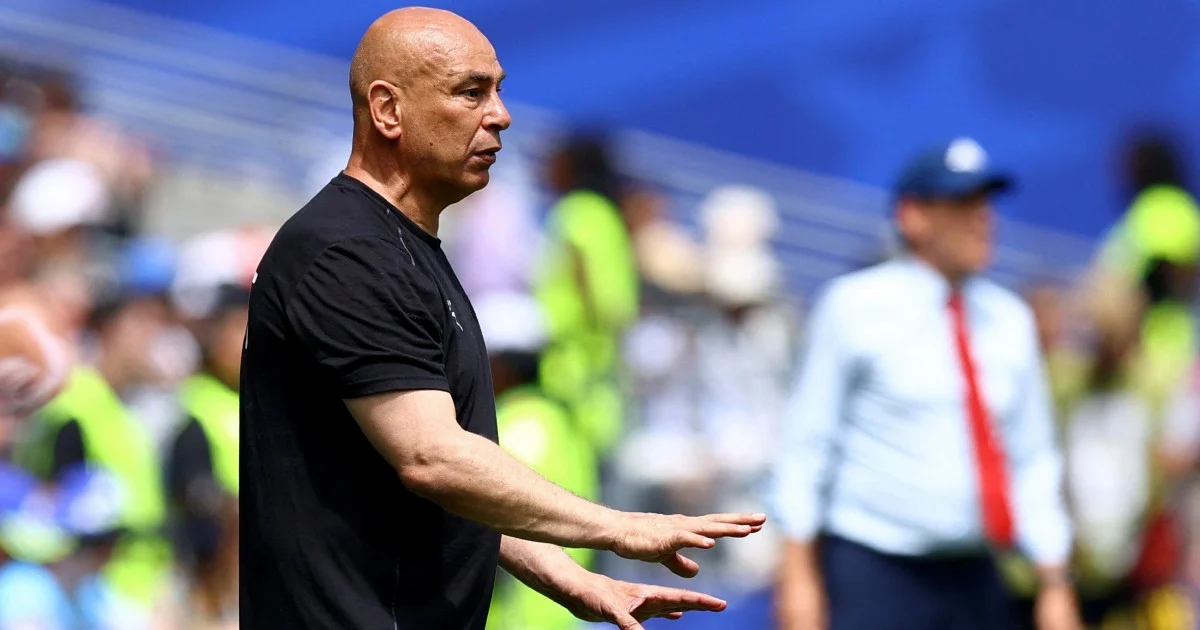
Egypt's hopes of making a significant World Cup impression rest partly on managing perceptions as much as performances. Coach Hossam Hassan moved to dispel mounting speculation about potential friction between himself and Mohamed Salah, the Pharaohs' most potent attacking weapon, in the lead-up to a make-or-break Group G encounter with New Zealand at Vancouver's BC Place on Sunday. The denial comes at a moment when every comment, gesture, and tactical decision from the Egyptian camp will be scrutinised for signs of harmony or discord.
Rumours of unrest within international football squads can undermine preparation and create unnecessary distractions during tournaments where mental resilience proves as critical as technical proficiency. Hassan's explicit insistence that the squad operates as a cohesive unit is therefore significant, signalling that despite whatever tensions may exist beneath the surface, the coaching staff remains confident in its ability to keep the group focused on the field. For a nation harbouring ambitions of lifting the World Cup trophy for the first time, such unity is not merely desirable but essential.
Egypt's participation in this tournament represents a significant milestone, as the football-obsessed nation competes at the highest level of international club and country competition. The squad's composition reflects both established talent and emerging players seeking to prove themselves on a global stage. The involvement of Salah, who plays for Liverpool in the Premier League and remains one of the most recognisable athletes from the Middle East and North Africa region, lends the team considerable experience and star quality that could prove decisive in tight matches.
The New Zealand fixture carries particular weight, as Group G contains several formidable opponents. A positive result against the All Whites would provide Egyptian supporters with genuine optimism and tangible evidence that their team belongs among the world's elite. Conversely, a defeat could derail momentum and create the very friction that Hassan now denies exists. This context explains why the coach felt compelled to publicly address the speculation rather than allowing it to fester unchecked.
Both Hassan and Salah understand the pressures inherent in representing a nation of over 100 million people, where football commands an almost religious devotion. The Egyptian public's expectations are sky-high, and the media scrutiny surrounding the team's preparation, selection decisions, and player welfare extends far beyond what European or South American squads typically experience. Any hint of disagreement between the coach and a player of Salah's stature risks becoming amplified through local and regional media channels, potentially affecting team morale.
The venue itself—BC Place in Vancouver—places Egypt in unfamiliar territory, both geographically and culturally. Playing in Canada rather than a traditional football heartland could work either in Egypt's favour by providing a neutral environment, or against it by removing the emotional uplift of home support. Hassan's assertion of squad harmony suggests the coaching staff believes the players can overcome such environmental challenges if they remain united in purpose and committed to the tactical gameplan.
New Zealand presents a curious opponent in World Cup terms. The Kiwis have historically struggled to replicate their rugby dominance in football, though they occasionally produce competitive performances on the international stage. Nevertheless, underestimating any World Cup participant would be foolish, and Hassan's team will require complete focus and execution to secure the three points they likely need to advance from the group stage. The Sunday encounter will test not only tactical acumen but the psychological strength of players operating thousands of kilometres from home.
Salah's role in any potential Egyptian advance cannot be overstated. His pace, technical ability, and goal-scoring prowess make him virtually unstoppable when he reaches full rhythm. If Hassan and Salah genuinely harbour no significant tensions, the synergy between coach and star player could unlock a more fluid, dangerous attacking style. Conversely, if underlying issues do exist, they could manifest in subtle ways—hesitation in decision-making, reduced attacking boldness, or lapses in concentration that New Zealand would ruthlessly exploit.
The statement from Hassan should therefore be read as both reassurance and challenge. By publicly committing to squad unity, the coach assumes responsibility for maintaining it. The players, particularly senior figures like Salah, now face indirect pressure to validate their coach's claims through professional behaviour and committed displays on the pitch. This dynamic, while occasionally contentious in football, can also galvanise squads by creating a sense of collective purpose and accountability.
Looking ahead to Sunday, observers across Southeast Asia and the wider region will monitor how Egypt responds to this critical fixture. The outcome will reveal much about Hassan's management and whether his claims of internal harmony translate into tangible results. For Malaysian football enthusiasts accustomed to monitoring World Cup campaigns, the Egyptian example offers lessons about leadership, squad psychology, and the delicate balance required to function effectively at sport's highest level.

