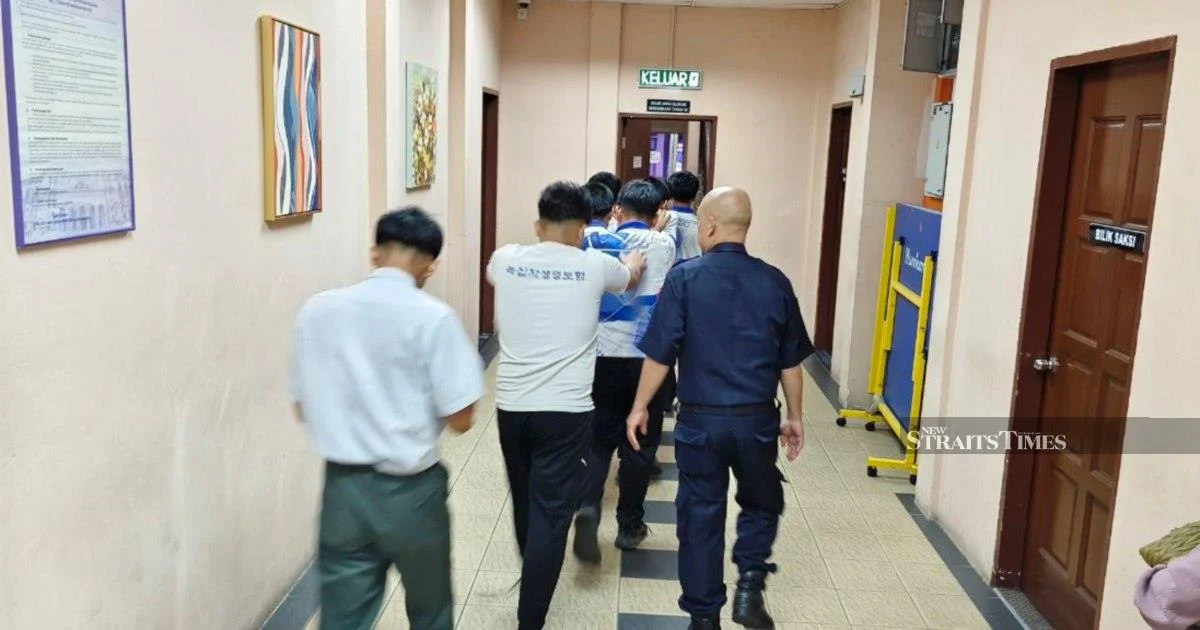
Eight secondary school students in Tawau, Sabah have been arrested and remanded for two days following a violent altercation that authorities say was linked to the distribution of AI-generated sexually explicit material. The incident marks a troubling intersection of emerging technology and youth violence in Malaysia, highlighting how sophisticated deepfake technology has begun filtering into student communities and creating genuine safety concerns beyond the realm of cybercrime.
The students were taken into custody following the physical confrontation, which law enforcement officials have connected to disputes arising from the circulation of artificial intelligence-generated sexual videos and images among peers. This connection signals that the problem of synthetic sexual media is no longer confined to isolated online incidents but is now manifesting in tangible, real-world violence within Malaysian schools. The situation underscores how quickly disruptive technologies can cascade into offline consequences affecting minors.
AI-generated sexual content has emerged as a particularly pernicious variant of image-based abuse because it requires no cooperation from victims—realistic synthetic videos and photographs can be created using only a person's photograph or footage. Unlike traditional forms of harassment, these deepfakes can be created with minimal technical expertise and distributed rapidly through encrypted messaging platforms favoured by young people. The psychological harm inflicted on targets, particularly young women who are most frequently victimised, can be severe and long-lasting.
The Tawau incident illustrates how such digital misconduct rapidly escalates into physical violence. When students discover synthetic sexual material purporting to depict them circulating online, the psychological distress and humiliation can trigger confrontations. The brawl itself represents the secondary wave of harm—not only have victims suffered the violation of having fake sexual imagery created in their likeness, but they now must navigate the additional trauma of school-based conflict. For the eight arrested students, the consequences of a momentary altercation will now include police involvement and potential legal repercussions.
Malaysia's legal framework around this issue remains evolving. While provisions exist under the Communications and Multimedia Act and the Penal Code that address obscene content and harassment, the specific application to AI-generated material is not yet clearly established in precedent. Courts and policymakers are still grappling with whether synthetic sexual imagery carries the same legal weight as authentic material, and whether the creation of such content without consent constitutes a distinct category of offence. This legal ambiguity creates enforcement challenges for authorities attempting to address the problem at source.
The incident also reflects broader concerns about digital literacy among Malaysian youth. Many students may not fully understand that creating, possessing, or distributing AI-generated sexual content involving minors—whether synthetic or otherwise—constitutes a serious crime with potential consequences including imprisonment. Educational institutions have not yet systematised training on these issues despite the rapid normalisation of AI tools among teenagers. Schools across Southeast Asia, including Malaysia, generally lack comprehensive policies addressing synthetic media and its misuse within student populations.
Parental awareness lags considerably behind the technological reality. Many guardians remain unaware that deepfake creation tools are freely available online and require no specialist knowledge to operate. The apps and platforms facilitating this content often use euphemistic language or operate in grey-market environments that evade mainstream parental controls. Without understanding the threat landscape, parents cannot effectively counsel their children about both the dangers of creating such material and the potential consequences of its circulation.
The Tawau case carries implications for school administrators nationwide. The incident suggests that institutional safeguarding policies must now extend beyond traditional bullying and harassment frameworks to address synthetic media as a distinct harm category. Many Malaysian schools lack clear protocols for handling cases where students become aware that AI-generated sexual material involving classmates is in circulation, or for supporting targeted students through the process of reporting and seeking remediation.
Regionally, Malaysia's experience echoes similar challenges emerging across Southeast Asia and globally. Singapore, for example, has documented rising incidents of deepfake pornography, and several countries have begun criminalising the creation and distribution of non-consensual synthetic sexual imagery specifically. South Korea's legal system has recognised this as a particularly severe form of digital sexual abuse, warranting dedicated legislative attention. Malaysia's policymakers may benefit from examining how neighbouring jurisdictions are updating their legal and educational responses.
The remand of these eight students gives authorities time to investigate not only the fight itself but potentially the broader distribution network of the synthetic content. Investigators will seek to identify who created the material, through which channels it spread, and whether other students remain at risk. This investigation phase is crucial because addressing only the symptoms—the fight—without dismantling the underlying distribution mechanism leaves future victims vulnerable.
Moving forward, preventing similar incidents requires a multi-layered approach. Schools need updated safeguarding training for staff, clear reporting mechanisms for affected students, and age-appropriate digital citizenship education that specifically addresses synthetic media and consent. Parents require awareness campaigns explaining the technology and its misuse. Law enforcement needs continued investment in training officers to handle these cases effectively. Perhaps most fundamentally, society must communicate to young people that creating non-consensual sexual imagery of anyone—synthetic or otherwise—causes real harm to real people and carries genuine legal consequences.
The Tawau brawl, ultimately, is a warning signal. It demonstrates that AI-generated sexual content is no longer a theoretical future concern but an immediate reality affecting Malaysian youth. How authorities, educators, and families respond in the coming months will significantly influence whether this becomes a contained incident or symptomatic of a broader crisis in youth digital ethics and safety.

