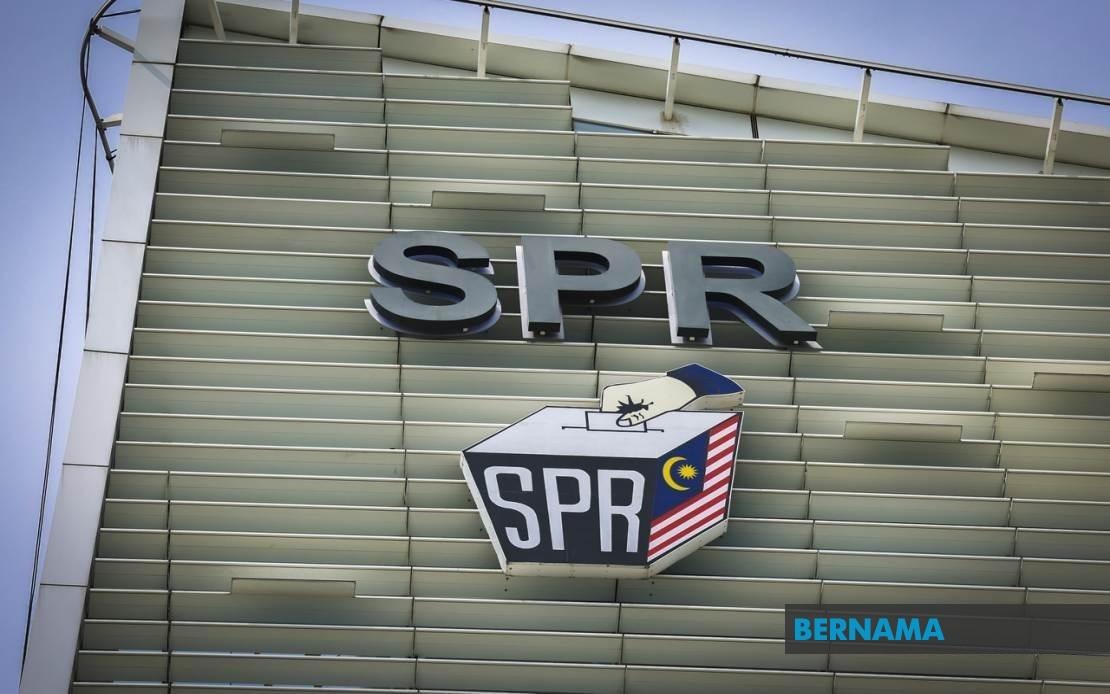
Malaysia's Election Commission has recorded 305 separate reports and complaints related to various campaign breaches during the ongoing Johor State Election campaign, signalling intensified scrutiny of political activities ahead of polling day on July 11. The violations ranged from improperly displayed election materials to obstructions affecting public safety, underscoring the regulatory challenges that election authorities face when overseeing large-scale state contests.
The breakdown of violations reveals a consistent pattern of infractions tied to physical campaign materials. Nearly half of all complaints—140 cases—centred on election posters and banners placed in restricted zones that local councils had designated as off-limits. This suggests either inadequate awareness among campaign teams about regulatory boundaries or deliberate breaches to maximise visibility. A further 90 cases involved materials that obstructed drivers' views or created traffic hazards, indicating that safety considerations frequently take a backseat to campaign visibility during election periods.
Seventy-five additional violations fell into two distinct categories: 27 instances where campaign materials appeared within the 50-metre buffer zone surrounding polling centres, and 48 cases categorised as other types of electoral offences. The polling centre violations are particularly significant, as these zones exist to maintain the impartiality and sanctity of voting locations. The remaining cases likely encompassed issues such as unlawful campaign finance activities, unauthorised campaign broadcasts, or violations of the election code of conduct.
To manage the enforcement challenge across the sprawling Johor contest, the Election Commission established 56 dedicated Election Campaign Enforcement Teams operating under the acronym PP-KPR. These teams deployed throughout the campaign period, which commenced on nomination day on June 27 and will conclude at 11.59 pm on July 10, just before polling commences. The sheer number of enforcement teams demonstrates the resource commitment required to police a state election involving 172 candidates competing for 56 state assembly seats.
The commission emphasised that all reports and complaints received had triggered appropriate follow-up measures, though it did not specify whether these actions included warnings, fines, or formal legal proceedings. This measured language suggests a graduated enforcement approach rather than uniformly punitive measures. For Malaysian readers monitoring election integrity, understanding the distinction between complaint receipt and enforcement action is crucial, as receiving complaints alone does not guarantee deterrence.
The enforcement landscape extends beyond the Election Commission itself, reflecting Malaysia's multi-agency approach to electoral oversight. The Royal Malaysia Police, the Malaysian Anti-Corruption Commission, and the Malaysian Communications and Multimedia Commission all coordinate with election officials to ensure compliance. This distributed responsibility model aims to catch violations across different domains—from physical materials to digital campaigning to financial misconduct—though coordination challenges sometimes emerge when multiple agencies operate with different priorities and thresholds.
Both the Election Commission and collaborating agencies have publicly urged all candidates and political parties to strictly observe the Election Offences Act 1954 and the commission's detailed directives. This appeal carries particular weight in Johor, a strategically important state where electoral dynamics influence national political calculations. For Southeast Asian observers, the Malaysian model of explicit regulatory communication before elections demonstrates how authorities attempt to prevent violations through clarity rather than retroactive punishment alone.
The statistical snapshot as of July 2 captured violations during the first week of campaigning, suggesting that complaint volumes could increase substantially during the final days leading up to the July 10 deadline. Historical patterns in Malaysian elections indicate that intensity and potential rule-breaking often escalate as polling approaches and campaigns become more competitive. The final week typically generates heightened activity and, correspondingly, more enforcement responses.
The Election Commission reiterated its commitment to conducting the Johor contest as efficient, fair, transparent and credible, positioning electoral integrity as foundational to democratic legitimacy. For Malaysian voters and observers, such statements function as public commitments that create accountability—if subsequent disputes emerge, the commission's pre-election pledges provide a reference standard against which conduct can be measured. Early voting is scheduled for July 7, allowing the commission a final window to address any systemic issues before the main polling day.
The violation patterns identified in the campaign period offer insights relevant to broader Southeast Asian electoral governance. Johor's experience demonstrates that even relatively developed democracies with established institutional frameworks and multiple enforcement agencies encounter persistent challenges managing campaign conduct. The predominance of violations involving physical materials reflects the continued centrality of traditional campaigning methods, even as digital platforms increasingly influence political communications across the region.
For political parties contesting the election, the compliance environment requires dedicated internal monitoring and rapid remedial action when violations occur. The visibility of enforcement through public reporting of complaint volumes creates reputational incentives for parties to self-police their campaigning structures. This dynamic—where transparency about enforcement numbers influences political behaviour—represents an understated but important enforcement mechanism in modern democracies.
As Johor voters prepare for July 11, the institutional machinery overseeing campaign conduct remains actively engaged, processing complaints and implementing enforcement measures throughout the remaining campaign days. The election commission's disclosure of these statistics reflects a commitment to transparency that allows citizens and international observers to monitor the electoral process in real time. Whether the enforcement actions deter future violations or merely document infractions becomes a question of substantive electoral quality that extends beyond the statistical reporting itself.

