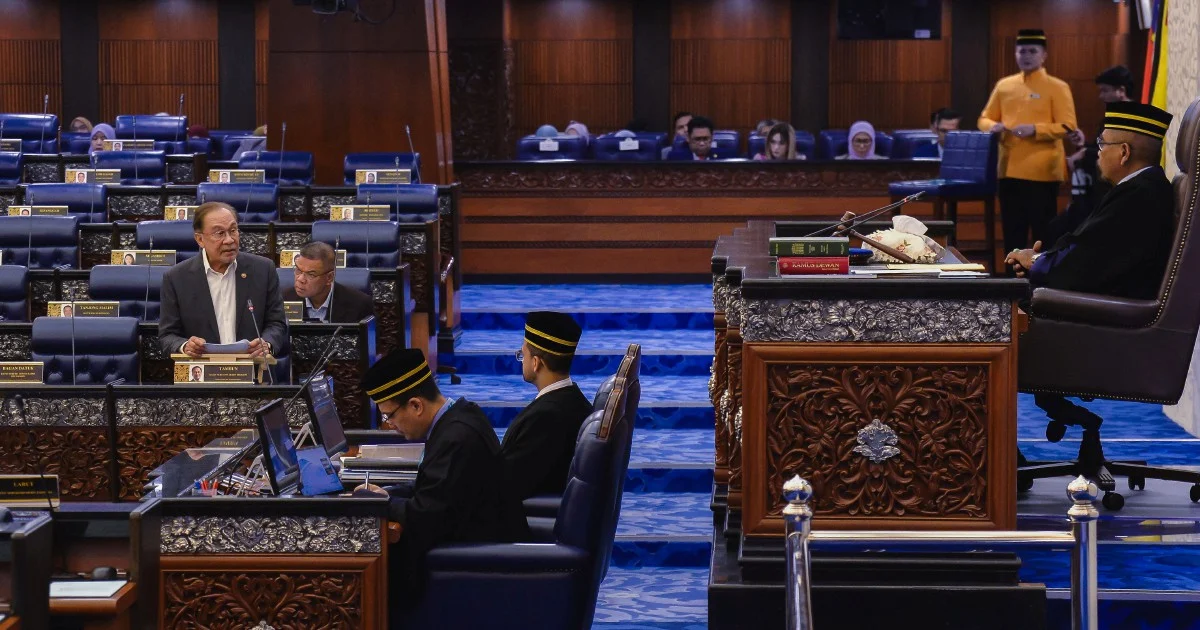
The Election Commission has committed to enforcing stricter oversight of caretaker administrations that announce policies or make financial decisions contrary to election guidelines, according to Prime Minister Datuk Seri Anwar Ibrahim. His statement signals a tighter approach to regulating interim government conduct during electoral periods and reflects growing concerns about fiscal announcements made during transition phases that could influence voting behaviour or unfairly benefit certain constituencies.
The clarification from Datuk Seri Anwar Ibrahim comes as Malaysia prepares for elections and emphasises the need for caretaker governments to exercise restraint in their policy announcements. The distinction between routine administrative functions and discretionary spending decisions has become increasingly important in Malaysian electoral cycles. The Election Commission's willingness to intervene suggests a recognition that caretaker periods—typically lasting several weeks—present opportunities for outgoing administrations to make announcements that could sway voters or create fiscal obligations for incoming governments.
Caretaker governments occupy a constitutionally awkward position. They remain responsible for essential services and must handle emergencies, yet they lack the democratic mandate to introduce significant new policies or commit substantial public resources. The tension between these obligations has historically created grey areas where administrations have tested the boundaries of acceptable conduct. Some have announced development projects, allocated contracts, or made spending pledges that technically fall within their caretaker remit but effectively compromise the incoming government's fiscal autonomy.
The Election Commission's enhanced enforcement capacity matters considerably for Malaysia's electoral integrity. Previous election cycles have seen disputes over whether certain announcements constituted impermissible political activity. Establishing clearer boundaries protects the democratic process by ensuring that voters make decisions based on the incoming government's actual platform rather than last-minute pledges made under caretaker status. This is particularly relevant in Malaysia's multi-level electoral system, where federal, state, and local elections occur at different times, creating recurring caretaker periods.
Financial implications specifically warrant the Commission's attention because money represents the most tangible form of political influence during election periods. Caretaker administrations that announce salary increases for civil servants, allocate discretionary grants to local authorities, or approve infrastructure projects create immediate fiscal pressures on successor governments. These decisions can constrain the incoming administration's policy flexibility and budget priorities. The Commission's focus on financial decisions therefore reflects a practical understanding of how caretaker governments might circumvent electoral rules through ostensibly routine spending rather than overt campaign activity.
For Malaysian businesses and stakeholders, clearer Election Commission guidelines reduce uncertainty during electoral transitions. Companies uncertain whether caretaker government tenders represent binding commitments or discretionary arrangements can plan more effectively when boundaries are established. State governments and local authorities, similarly, benefit from knowing whether caretaker-period announcements carry enforceable weight. This clarity contributes to smoother transitions between administrations and reduces post-election disputes over inherited obligations.
Regionally, Malaysia's approach reflects broader Southeast Asian concerns about electoral conduct standards. Thailand, Indonesia, and the Philippines have all grappled with caretaker government overreach during their own electoral cycles. Malaysia's Election Commission intervention positions the country as establishing clearer rules than some neighbours, though questions remain about enforcement mechanisms and dispute resolution. How the Commission actually penalises breaches—whether through public censure, financial sanctions, or disqualification of officials—will determine whether these guidelines carry real weight.
The statement also implicitly addresses concerns about partisan advantage during caretaker periods. Governments with strong support in certain constituencies might be tempted to direct announcements toward loyal voters, effectively using the caretaker period as an extended campaign. Election Commission oversight aims to prevent such behaviour, though identifying intent versus routine administration remains challenging. Guidelines distinguishing between permissible maintenance spending and impermissible new commitments therefore require detailed specification.
International observers monitoring Malaysian elections will likely scrutinise how consistently the Election Commission applies these principles. Democratic credibility depends on even-handed enforcement regardless of which coalition or government is in caretaker status. Selective application would undermine the Commission's independence and raise questions about political neutrality. The commitment to action therefore carries implicit obligations for transparent, documented decision-making processes.
The practical impact depends on Election Commission resourcing and administrative capacity. Investigating whether a particular spending decision violates electoral guidelines requires expertise in public finance, procurement law, and constitutional practice. The Commission must demonstrate it possesses sufficient staffing and technical capability to conduct thorough investigations within the compressed timeframe of caretaker periods, which typically last only weeks before new governments are sworn in.
For Malaysian citizens, the Election Commission's enhanced vigilance over caretaker financial decisions means greater consistency in electoral rules across successive election cycles. Citizens can expect more uniform treatment of caretaker announcements regardless of which party holds interim power. This promotes confidence that elections are conducted fairly and that the transition period between administrations follows established, politically neutral guidelines rather than precedents set opportunistically by individual caretaker governments.

