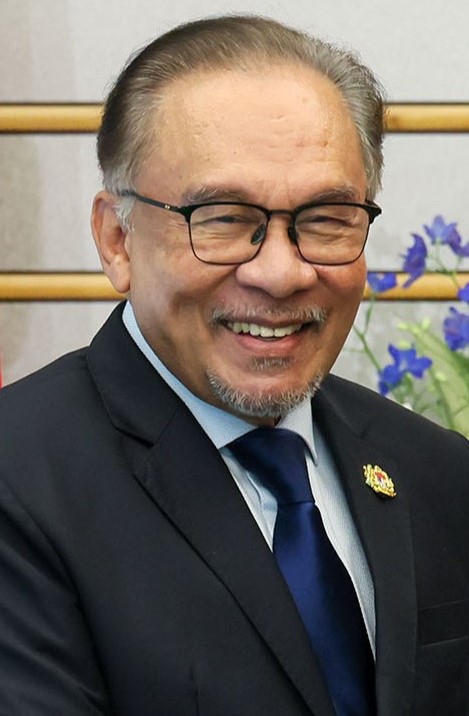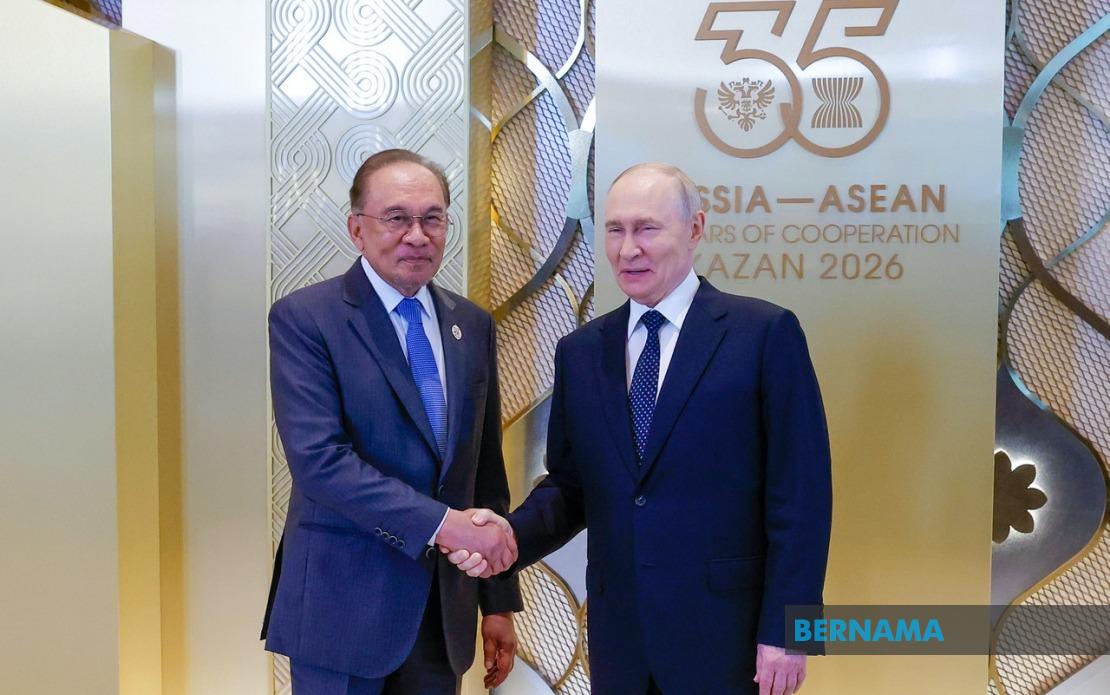
Prime Minister Datuk Seri Anwar Ibrahim has underscored the strategic importance of structured dialogue platforms in an increasingly complex geopolitical landscape, emphasising that forums such as the ASEAN-Russia Commemorative Summit serve as essential vehicles for building understanding and cooperation between diverse nations. Speaking following a state dinner hosted by President Vladimir Putin during the summit held in Kazan, the Prime Minister articulated how such formal gatherings transcend ceremonial value and function as substantive mechanisms for advancing mutual interests in an era marked by mounting uncertainties and competing pressures across the global system.
The Prime Minister's remarks, delivered in the capital of Tatarstan where Malaysia is participating in the June 17-18 summit, highlight the Malaysian government's commitment to maintaining robust diplomatic channels with Russia despite the broader geopolitical tensions that have characterised international relations in recent years. By attending this high-level commemorative gathering, Malaysia signals its intention to preserve and deepen bilateral ties while contributing to ASEAN's collective engagement with Moscow, a position that reflects the region's desire to remain non-aligned and maintain pragmatic relationships across major power blocs.
According to Anwar, these summit platforms possess particular relevance because they create structured opportunities for leaders to exchange perspectives on pressing global issues and to identify concrete areas where mutual cooperation can yield tangible benefits for all participating parties. Rather than viewing such engagement as mere diplomatic protocol, the Prime Minister characterised these interactions as meaningful exercises in trust-building that allow participating states to move beyond formal rhetoric and explore substantive collaborative frameworks. This framing is significant for Malaysia, which has consistently advocated for maintaining diverse partnerships and avoiding exclusive alignment with any single power.
The gala dinner component of the summit, which brought together senior leaders from ASEAN member states and the Russian Federation, functioned not merely as a social occasion but as an informal setting where candid discussions on bilateral and regional matters could occur outside the confines of formal negotiating rooms. Such gatherings often prove more productive than structured sessions, as they permit leaders to establish personal rapport and understand each other's perspectives in a relaxed atmosphere. For Malaysia, participation in these high-level social engagements enhances its diplomatic standing and ensures that Malaysian interests receive appropriate consideration in regional and bilateral discussions.
Anwar further noted that the summit served to showcase Russia's significant cultural, historical and strategic heritage, thereby fostering appreciation among ASEAN delegations for the breadth of Russian civilisation beyond its contemporary geopolitical role. This cultural dimension of diplomatic engagement proves particularly valuable in building empathy and mutual respect among nations with vastly different historical experiences and regional perspectives. By emphasising Russia's rich heritage rather than focusing exclusively on contemporary strategic competition, the summit framework encourages participants to view each other as complete civilisations rather than merely as geopolitical actors competing for advantage.
The emphasis on friendship-building and view-sharing among assembled leaders reflects recognition that durable international relationships require foundations built on personal understanding and respect rather than purely transactional calculations. In the ASEAN context, where member states champion principles of non-interference and mutual respect for sovereignty, such relationship-centred engagement approaches align closely with the region's diplomatic philosophy. Malaysia's participation exemplifies this commitment to maintaining relationships based on genuine mutual interest rather than strategic necessity alone.
For Southeast Asia more broadly, the maintenance of productive engagement channels with Russia carries particular significance given Moscow's influence on regional security architecture, energy supplies and investment flows. While Western nations have sought to isolate Russia through various diplomatic and economic mechanisms, ASEAN states including Malaysia have maintained their traditional stance of keeping dialogue channels open and avoiding forced choices between competing powers. The ASEAN-Russia Commemorative Summit represents a formal affirmation of this balanced approach, signalling that the region intends to preserve relationships based on practical cooperation rather than ideological alignment.
As both Finance Minister and Prime Minister, Anwar's presence at this summit underscores Malaysia's prioritisation of this engagement despite Malaysia's own significant economic relationships with Western economies. His dual role indicates that the Malaysian government views the summit as sufficiently important to warrant representation by its most senior economic official, suggesting that potential collaboration between Malaysia and Russia extends beyond traditional diplomatic channels into trade, investment and development cooperation. This positioning allows Malaysia to explore economic opportunities while maintaining its broader foreign policy principle of non-alignment.
The timing of Anwar's remarks also carries weight given ongoing global discussions about managing great power competition without allowing regional nations to become pawns in larger strategic contests. By articulating the value of engagement platforms, the Prime Minister reinforces Malaysia's position that dialogue and mutual understanding remain viable approaches to managing international differences even amid significant geopolitical tensions. This stance resonates with many Southeast Asian governments that view the region as a space for cooperation rather than competition among external powers.
Moving forward, Malaysia's continued participation in ASEAN-Russia initiatives and bilateral engagement with Moscow reflects a calculated strategy to preserve diplomatic options and ensure that Southeast Asian voices receive consideration in discussions shaping regional security and economic arrangements. The emphasis on engagement platforms as tools for understanding and cooperation provides intellectual and diplomatic justification for maintaining these relationships while avoiding the appearance of strategic alignment with any particular power bloc. For Malaysian policymakers and observers monitoring regional dynamics, Anwar's statements reaffirm the government's commitment to independent foreign policy rooted in pragmatic assessment of national interests rather than ideological preference.