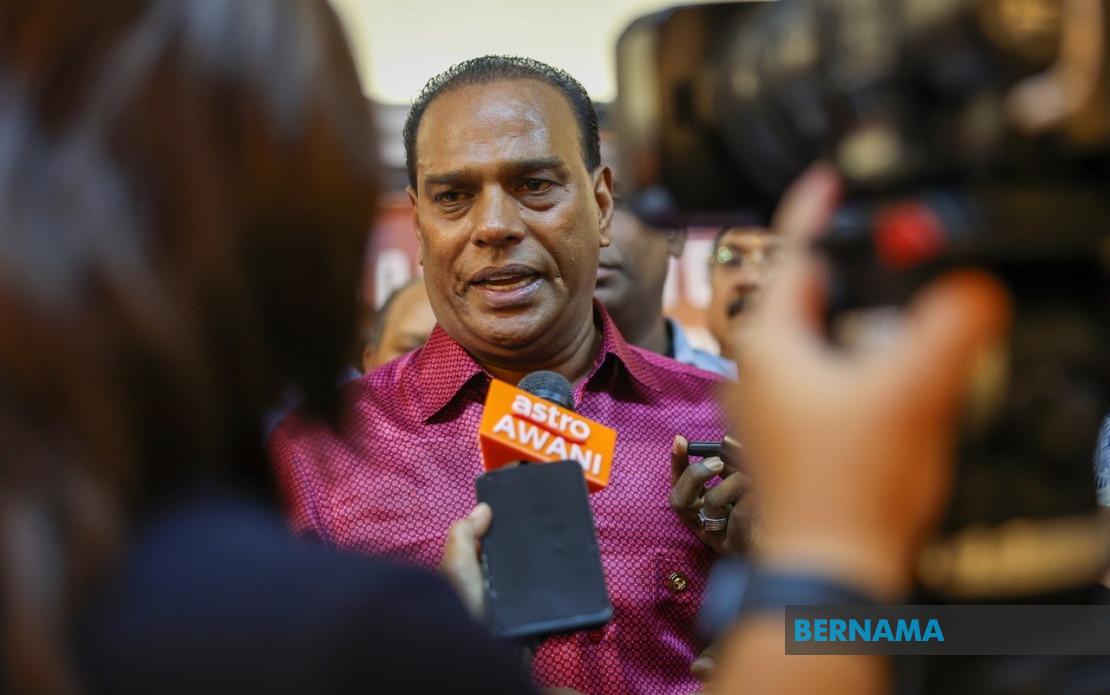
Former Human Resources Minister Datuk Seri M. Saravanan has confirmed his appearance before the Sessions Court in Kuala Lumpur, where he is expected to be formally charged in connection with allegations involving the recruitment of foreign workers during the COVID-19 pandemic in 2022. The announcement comes after the Malaysian Anti-Corruption Commission issued a media notice regarding the former minister's court appearance, signalling a significant development in an ongoing investigation that has drawn scrutiny to ministerial conduct during the pandemic period.
The charges against Saravanan are anticipated to be brought under Section 16 of the MACC Act 2009, which addresses the solicitation, receipt, offer, or promise of bribes. This particular provision carries significant implications for public officials, as it relates to corruption allegations rather than procedural violations, underscoring the gravity of the accusations levelled against the Tapah Member of Parliament.
Saravanan has attributed the origins of the allegations to statements made by a third party who has since passed away. According to the former minister, the individual who initially provided a statement linking him to the foreign worker hiring matter died approximately two months prior to his court appearance. This development introduces a procedural complexity into the case, as the credibility and verifiability of the original allegations become more difficult to establish when the primary witness is deceased.
In a notable twist, Saravanan revealed that the individual who made the original allegations subsequently executed a Statutory Declaration formally retracting the claims. This retraction suggests a possible change in the complainant's position or circumstances that led to the withdrawal of the initial allegations. Despite this retraction and the passing of the witness, the MACC proceeded with charges against the former minister, indicating that investigators possessed sufficient grounds to move forward with the prosecution independent of the withdrawn statement.
The former minister, who also serves as deputy president of the Malaysian Indian Congress, has emphasised his denial of any improper conduct. In a video message released to the media, Saravanan stated categorically that he had neither contacted nor established any prior relationship with the individual making the allegations, whether through telephone, text message, or other communication channels. This assertion directly contradicts any narrative that might suggest collusion or improper coordination between the former minister and the complainant.
Saravanan expressed his readiness to defend himself within the legal framework, noting that despite the complications arising from the witness's death and the subsequent retraction, he remains prepared to present his case before the court. This stance reflects a deliberate choice to engage with the judicial process rather than seek delays or adjournments, positioning himself as cooperative with the legal proceedings even as he maintains his innocence.
The legal team representing Saravanan plans to file an application before the court requesting an expedited trial process that eliminates unnecessary delays. This tactical move suggests a strategy of demonstrating confidence in his defence while simultaneously pushing for swift resolution of the matter. An accelerated trial could serve multiple purposes: it allows for quicker exoneration if the allegations prove unfounded, and it prevents the case from languishing in the court system for extended periods, which can compound reputational damage regardless of the ultimate outcome.
The foreign worker hiring allegations carry particular significance within Malaysia's broader governance context. During the COVID-19 pandemic, numerous debates emerged regarding the appropriate deployment of foreign workers, with competing interests between economic necessity, labour market protection, and regulatory compliance. Any allegations involving ministerial intervention in foreign worker recruitment during this period invite scrutiny about whether departmental decisions reflected public interest or improper influence.
This case also reflects wider patterns of accountability within Malaysia's political establishment. The MACC's pursuit of charges despite the withdrawal of the primary witness's statement demonstrates institutional commitment to investigating allegations against high-ranking officials, irrespective of complications that arise during the investigative process. Such persistence can be viewed either as commendable dedication to rooting out corruption or as concerning persistence in pursuing charges when key evidence becomes unavailable, depending on one's perspective on prosecutorial independence.
The involvement of the MIC deputy president status adds a layer of political complexity to the proceedings. As a component party within the Barisan Nasional coalition, the MIC's handling of internal matters involving Saravanan may have implications for party unity and coalition dynamics. The party will need to balance its response to the allegations against maintaining political cohesion, particularly given Saravanan's prominent position within the organisation.
For Malaysian readers and the broader Southeast Asian business community, this case underscores the ongoing evolution of anti-corruption enforcement in the region. The willingness of Malaysian authorities to pursue charges against former ministerial figures demonstrates continuity in anti-corruption efforts, even when political circumstances change or when evidentiary complications arise. This development provides both reassurance regarding institutional accountability and a cautionary reminder about the risks associated with government decision-making in sensitive areas like foreign worker employment.
The upcoming court proceedings will be closely watched not only for their implications for Saravanan's political future but also for the precedent they establish regarding ministerial accountability and the standards of evidence required in corruption cases involving deceased witnesses and withdrawn allegations. The manner in which the court handles these complicating factors may influence how future cases involving similar procedural challenges are approached within the Malaysian judicial system.

