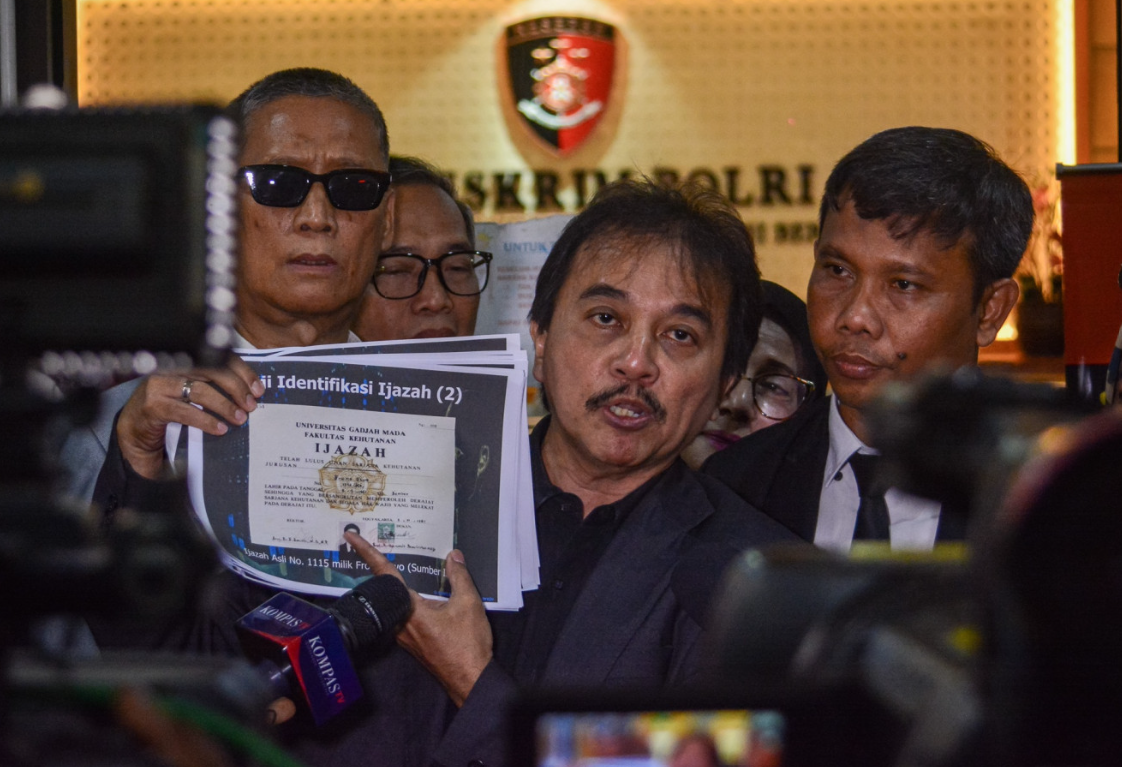
The arrest of Roy Suryo, a former minister under the Susilo Bambang Yudhoyono administration, and health activist Tifa Tyassuma on Friday morning at their Jakarta residences represents a significant turning point in Indonesia's most protracted political controversy over educational credentials. Officers from the Jakarta Police's General Crimes Directorate moved to detain both individuals as suspects in a defamation case stemming from their public allegations that former president Joko 'Jokowi' Widodo's university diploma was fraudulent, according to Roy's legal counsel Ahmad Khozinudin.
The detention follows standard procedure before prosecutors take formal control of the investigation, police officials explained during Friday's announcement. Senior Commissioner Iman Imanuddin, the investigation director, clarified that the apprehension was designed to streamline the transfer of suspects and evidence to the Jakarta Prosecutor's Office once the police had completed their documentation. The move aimed to prevent administrative bottlenecks and finalize procedural requirements including medical assessments and evidence verification before the case enters prosecutorial review.
The diploma dispute itself stretches back to 2019, when social media users first circulated questions about Jokowi's academic qualifications. What began as online speculation developed into increasingly formal legal processes, including a civil lawsuit filed in 2022 and multiple criminal investigations throughout 2025. The controversy has periodically resurfaced as various parties challenged the legitimacy of Jokowi's educational background, creating a rare sustained political controversy in Indonesia's recent history.
Both Roy and Tifa face serious charges under Indonesia's Electronic Information and Transactions Law, which carries sentences of up to six years imprisonment. Prosecutors also allege that the pair manipulated digital documents to substantiate their claims regarding the diploma's authenticity. The charges represent an aggressive prosecutorial response to what the authorities characterize as coordinated defamation conducted through electronic means, a legal strategy that has raised concerns among press freedom advocates and legal observers across Southeast Asia.
The National Police officially certified the diploma as authentic in May 2025 and concluded an earlier investigation into forgery allegations. However, critics including Roy Suryo remained unconvinced and presented objections during a case review conducted in July 2025. This persistent challenge to official findings prompted the escalation to defamation charges, essentially criminalizing continued public skepticism about the police's authentication process and Jokowi's credentials.
Roy and Tifa's defense team, led by attorney Refly Harun, characterized the detention as disproportionate and unnecessary. Harun questioned the rationale for holding his clients in custody when the case was not scheduled for prosecutorial handover until Monday, arguing that their consistent cooperation with police summonses and reporting obligations demonstrated good faith and eliminated flight risks. The legal team signaled intention to request immediate release, setting up potential conflict between defense counsel and investigating authorities.
The investigation has involved numerous individuals across its scope. Police previously identified eight suspects total in connection with the defamation allegations, though prosecutors later dropped charges against three individuals—Eggi Sudjana, Damai Hari Lubis, and Rismon Sianipar—following mediation between parties. This selective approach to prosecutorial discretion highlights the politically sensitive nature of the case and suggests negotiation possibilities remain available, at least for certain defendants.
The diploma case carries broader implications for Indonesian democracy and institutional credibility. When former presidents and their successors become entangled in disputes over basic biographical facts, it reflects deeper questions about transparency, institutional trust, and the rule of law. The use of defamation and electronic crimes legislation to suppress continued questioning about official findings raises concerns about whether such legal tools might be weaponized against legitimate public criticism or political opposition.
For Malaysian observers and Southeast Asian democracies more broadly, the Jokowi diploma controversy illustrates how educational credential disputes can metastasize into constitutional crises. Indonesia's approach—ultimately resolving the matter through criminal prosecution of critics rather than comprehensive institutional investigation—differs markedly from how such challenges might be addressed through parliamentary inquiry or independent forensic review in other regional democracies. The case demonstrates how unresolved questions about leadership legitimacy, once politicized, become difficult to contain within normal legal channels.

