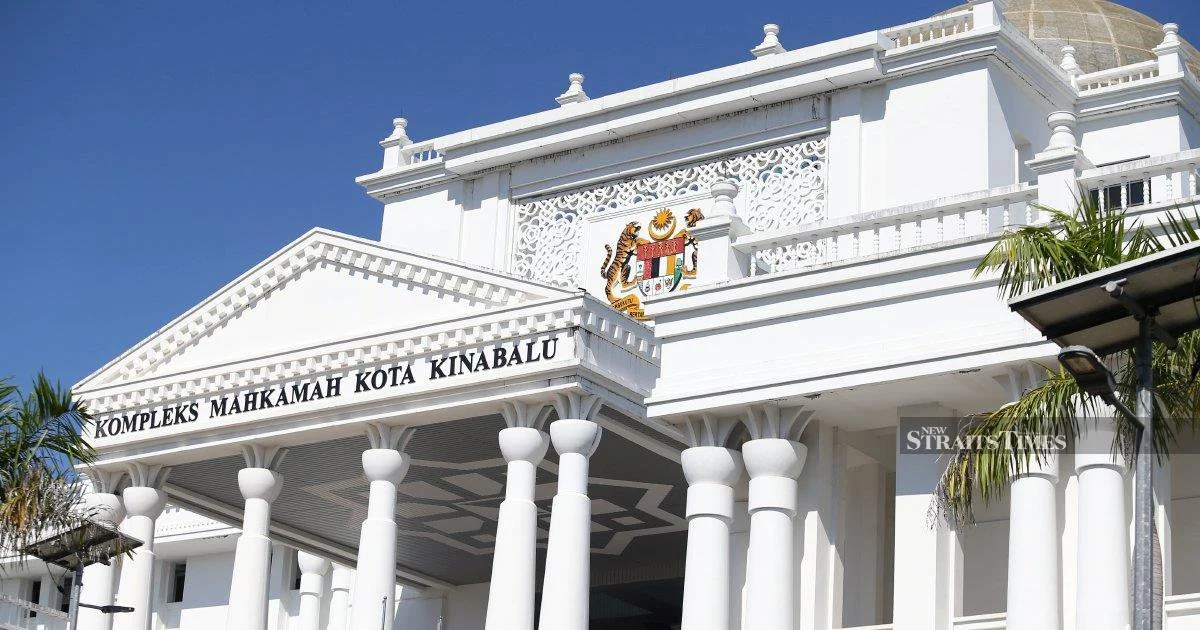
The inquest into the death of 13-year-old Zara Qairina Mahathir entered its 74th day of witness testimony in Kota Kinabalu, with a document examination specialist acknowledging significant limitations in her ability to dispute the professional assessment made by a competing expert in the case. This testimony underscores the complexities inherent in forensic analysis, where competing specialists may reach different conclusions from the same evidentiary materials, yet possess equally qualified credentials and methodological approaches.
Document examination represents one of the more contentious disciplines within forensic science globally. Unlike DNA analysis, which operates within more precisely defined scientific parameters, document examination relies on subjective evaluation of handwriting patterns, paper characteristics, ink composition, and mechanical impressions left by writing instruments. When two competent practitioners reach divergent conclusions—as appears to have occurred in Zara's case—courts face the challenging task of determining which assessment carries greater weight, or whether the inconsistencies themselves raise reasonable doubts about the document's authenticity or significance.
The witness's acknowledgment that she could not contradict the other expert's findings suggests a situation where both analyses may be technically sound within their respective methodologies, yet produce incompatible results. This scenario is not uncommon in international forensic practice. In Malaysia, where document examination often plays a crucial role in criminal and civil proceedings, such contradictions can significantly impact case outcomes and raise questions about the reliability of certain forensic techniques. The inquest context adds another dimension—inquests function as fact-finding exercises designed to establish circumstances surrounding a death, rather than to determine criminal guilt beyond reasonable doubt.
Zara Qairina Mahathir's death has drawn considerable public attention in Malaysia, particularly given the circumstances surrounding her demise and the subsequent legal proceedings. The inquest process, which has now extended across dozens of witness testimonies, reflects the complexity and sensitivity of the case. Each witness contributes incrementally to a larger evidentiary tapestry, and document evidence—whether constituting handwritten notes, correspondence, or official records—may illuminate crucial details about Zara's final days and interactions with those around her.
The presence of conflicting expert opinions raises substantive questions about how triers of fact should weigh competing professional assessments. Malaysian courts typically apply the principles established in cases like Mohan's test for expert evidence admissibility, yet accepting expert testimony and resolving conflicts between multiple experts represent distinct challenges. When both specialists appear qualified and employ recognised methodologies, judges must carefully evaluate the basis for each expert's conclusions, the assumptions underlying their analyses, and whether one expert has identified methodological flaws in the other's approach.
Document examination experts typically base their conclusions on comparative analysis, where they examine questioned documents alongside known exemplars of authentic writing or signatures. They assess factors including letter formation consistency, pressure patterns, spacing, slant, and other distinctive characteristics. When such analysis yields contradictory findings, possible explanations include differences in the quantity or quality of exemplar material available to each expert, varying experience levels with particular document types, or genuine ambiguity in the evidence itself—situations where reasonable specialists might legitimately reach different conclusions.
In the Malaysian legal system, expert evidence remains subject to rigorous cross-examination, and the court retains discretion to accept, reject, or accord differential weight to competing expert opinions. The inquest setting, while less adversarial than trial proceedings, nonetheless requires judicial evaluation of testimony credibility and reliability. The 74th witness's candid acknowledgment that she could not contradict another expert's work suggests either professional integrity in recognising the limitations of her analysis, or conversely, uncertainty about the strength of her own conclusions—a distinction the court must carefully parse through further questioning and examination of the underlying analytical work.
For Malaysian observers and those interested in forensic science applications locally, this development illustrates broader challenges facing jurisdictions worldwide: balancing the evidential value of specialised expert analysis against the inherent subjectivity that can characterise certain forensic disciplines. It also demonstrates why some experts and reformers advocate for greater standardisation, accreditation, and peer review protocols within document examination fields. Countries including Australia, parts of the United States, and some European nations have implemented such frameworks, though adoption remains inconsistent globally.
The ongoing inquest continues to methodically work through its witness list, with each testimony intended to clarify the circumstances surrounding Zara's death. As document evidence conflicts emerge, the judicial officer conducting the inquest must ultimately synthesise all available evidence—testimonial, physical, and documentary—into a coherent factual narrative. The 74th witness's limitations regarding contradicting rival expert findings will not necessarily prove determinative of how the inquest resolves document-related questions; rather, it constitutes one piece of a larger puzzle that continues to develop through careful examination and cross-examination of multiple perspectives and sources of information.

