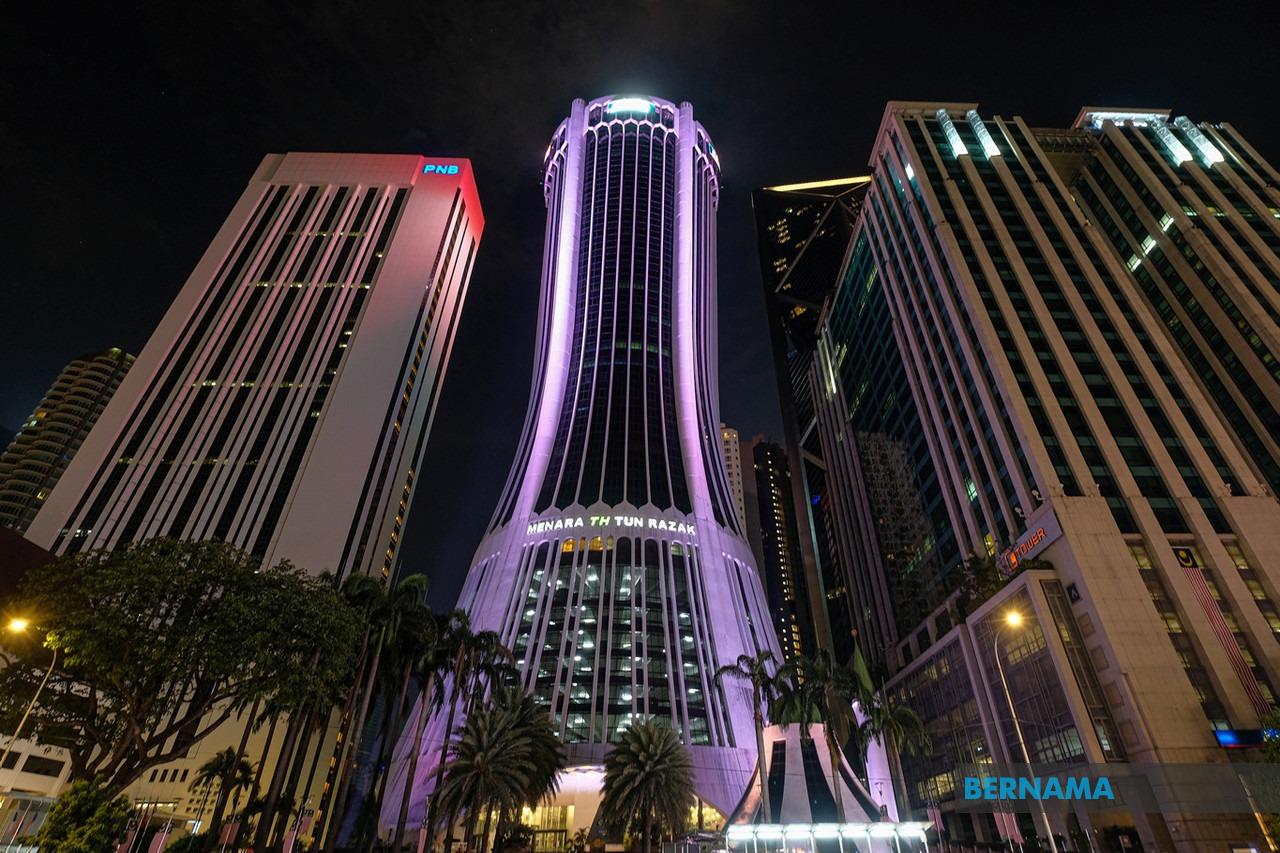
The pressure is mounting on the Malaysian government to publicly disclose findings from the Royal Commission of Inquiry into Lembaga Tabung Haji, with experts warning that prolonged secrecy undermines confidence in the institution at a critical moment. Academics and civil society observers have unanimously endorsed the transparency move, though they caution that the report should serve accountability rather than partisan advantage. The debate reflects growing public anxiety over the state of Malaysia's largest Islamic savings facility, which manages funds from millions of Muslim workers saving for the pilgrimage to Mecca.
Dr Mazlan Che Soh, a political science lecturer at Universiti Teknologi MARA in Seremban, has articulated the case for disclosure in terms that resonate across Malaysia's diverse population. He emphasises that Tabung Haji occupies a unique position in the national consciousness—it functions not simply as a financial institution but as a repository of public trust for a religious obligation deeply woven into Malaysian Muslim identity. The millions of depositors who have entrusted their savings to TH deserve clarity about how those funds have been managed and what governance failures, if any, have occurred. Mazlan stresses that withholding the RCI findings indefinitely only prolongs uncertainty and allows questions about mismanagement to fester in the public imagination.
The academic has proposed a measured approach to disclosure that could satisfy both transparency demands and procedural concerns. Rather than releasing the entire RCI report in one go, Mazlan suggests the government publish an executive summary outlining the inquiry's main conclusions, followed by a detailed accounting of which recommendations have already been implemented by successive administrations. This staged approach would allow the public to understand the substance of the findings while giving policymakers space to complete ongoing investigations and legal proceedings without the report serving as a substitute for proper judicial process. Such a framework acknowledges that releasing sensitive information need not occur in a legal or political vacuum.
Concerns about the political timing of the report's release are legitimate, and Mazlan does not dismiss them. He recognises that disclosure could influence voter sentiment, particularly among Malay-Muslim constituencies and the millions of TH depositors scattered across the country. However, he argues that this political dimension should not paralyse decision-makers. Voters' electoral choices are shaped by a complex interplay of factors that extend far beyond single institutional scandals—cost of living pressures, the performance of state administrations, the credibility of individual candidates, historical party allegiances, and the strength of grassroots party machinery all factor heavily into voting behaviour. While a damaging report could shift sentiment at the margins, it is unlikely to produce a seismic realignment of political support.
Dr Jamaie Hamil of Universiti Kebangsaan Malaysia adds weight to calls for resolution, noting that the Tabung Haji issue has already consumed an inordinate amount of public attention and policy focus. The matter has persisted through two different administrations—first the Pakatan Harapan government and now the MADANI administration under Prime Minister Anwar Ibrahim—with meaningful reforms already initiated in both periods. This continuity suggests that improving TH's governance is a shared priority across the political spectrum, even if disagreements persist about how to handle the RCI report. The longer the findings remain sequestered, the more the institution's credibility erodes and the more cynical the public becomes about official competence.
Ordinary Malaysians are growing impatient with bureaucratic delay. Wan Osman Hashim, a 70-year-old retiree, articulated this frustration directly in a video posted on TikTok, calling on the government to act swiftly to resolve the matter and ensure that Tabung Haji does not sustain further losses. His plea resonates because it captures a fundamental concern: TH is not merely an administrative entity but the custodian of money belonging to working-class and middle-class Muslims who have set aside earnings over many years for an important religious journey. The possibility that mismanagement or wrongdoing has eroded their savings naturally generates anxiety and demands answers. Communications Minister Datuk Seri Fahmi Fadzil amplified Hashim's message by sharing the video, signalling that the government is receiving grassroots pressure on this issue.
Prime Minister Anwar Ibrahim has given strong indications that the Cabinet will approve public disclosure of the RCI report once the document is formally tabled for ministerial consideration. This signals a likely shift toward transparency, though the precise timing and format remain uncertain. The Prime Minister's confidence suggests that the government's leadership has concluded that the political and institutional benefits of disclosure outweigh any short-term awkwardness the findings might cause. This represents a democratic instinct—trusting voters and stakeholders with information rather than restricting it to executive circles.
The case for releasing the report rests ultimately on the principle that public institutions are accountable to the public they serve. Tabung Haji's legitimacy depends on depositors' faith that their money is safeguarded and that governance standards are maintained at a high level. Concealing an inquiry's findings inevitably breeds suspicion that officials are hiding unflattering truths. Even if the RCI uncovers serious problems, transparency allows the government to demonstrate corrective action and rebuild trust through concrete reforms. The alternative—indefinite secrecy—guarantees that public confidence will continue to decline.
For Malaysia's broader governance architecture, the Tabung Haji RCI report represents a test case for institutional accountability. How the government handles disclosure and implementation of recommendations will signal whether Malaysia is genuinely committed to transparency and the rule of law or whether political calculation continues to trump accountability. This matters not only for the millions of TH depositors but for all Malaysians who depend on public institutions to function honestly and efficiently. The experts are right to push for swift, transparent action.

