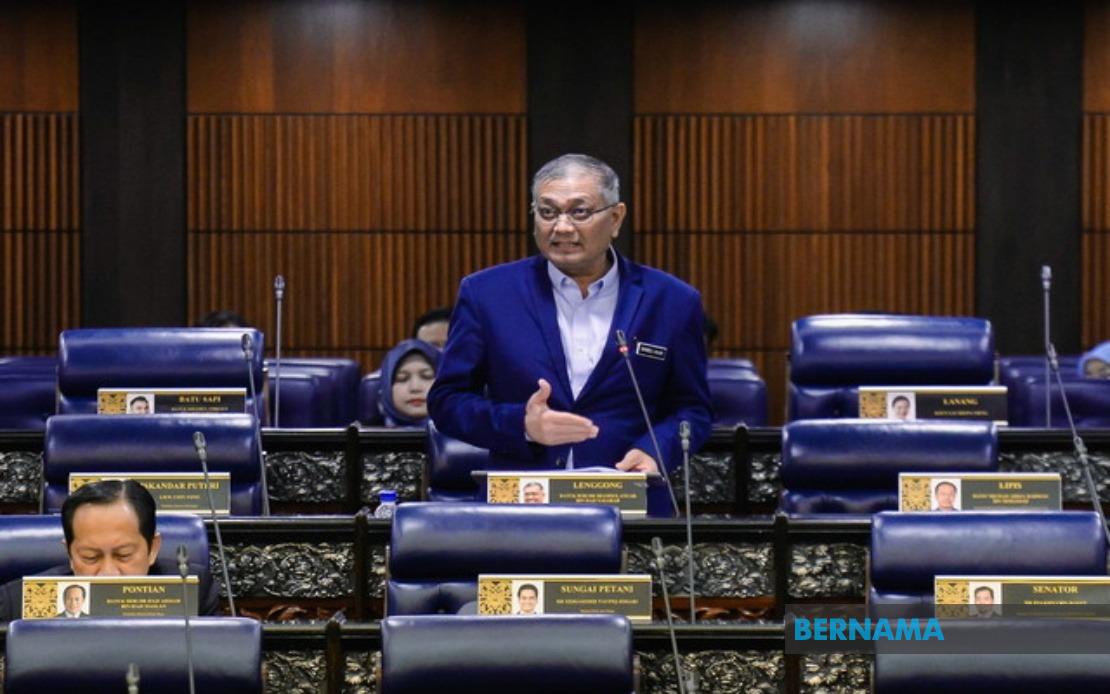
The Home Ministry has moved to clarify the distinction between disciplinary measures and harmful punishment within the Royal Malaysia Police, responding to growing scrutiny over field duties imposed on officers. Deputy Minister Datuk Seri Dr Shamsul Anuar Nasarah explained during parliamentary proceedings that such practices serve as a structured approach to reinforcing conduct standards among personnel, rather than an avenue for inflicting bodily harm or distress.
The clarification arrives in the wake of a fatal incident in May involving a policeman in Sepang, which prompted lawmakers to examine the protocols governing how such measures are administered across the force. The government has sought to address concerns that discretionary punishments might be applied inconsistently or excessively, particularly at lower ranks where junior officers have traditionally borne the brunt of field duties as corrective measures. The deputy minister's statement underscores the government's position that these tools are integral to institutional governance and personnel development when properly executed.
Under the existing framework, field duties fall within Paragraph 32 of the Inspector-General of Police's Standing Orders, a provision specifically designed for junior ranking officers as an alternative to formal disciplinary proceedings. This regulatory structure distinguishes between corrective field assignments and more severe penalties, creating what authorities characterise as a proportionate response to minor infractions. The framework reflects a philosophy that minor breaches warrant corrective action focused on behavioural modification rather than punitive measures that might damage individual officers or undermine morale across the workforce.
Recognising the need to strengthen safeguards following the Sepang incident, the PDRM Integrity and Standards Compliance Department issued an updated administrative directive on June 29 that mandates health assessment evaluations as part of the implementation process. This procedural enhancement aims to inject an additional layer of scrutiny into decision-making, ensuring that supervising officers consider each individual's physical and medical condition before assigning duties. The move signals acknowledgment that existing protocols required reinforcement, though officials maintain the core practice remains sound when executed with appropriate oversight and medical consideration.
Current regulations impose specific limits on the duration and intensity of field duties to prevent abuse. The restrictions specify that such duties cannot exceed four hours per day and must not continue for more than five consecutive days, parameters designed to contain the scope of disciplinary action. Supervising officers bear explicit responsibility for ensuring that duties proceed in a controlled, prudent manner with due regard for personnel welfare, environmental conditions, and individual health circumstances. These safeguards theoretically prevent scenarios where weak oversight might lead to excessive or dangerous assignments.
Questions have arisen regarding whether field duties disproportionately target junior officers while higher-ranking personnel escape similar treatment. The deputy minister addressed this by noting that the Paragraph 32 mechanism was deliberately established as an alternative specifically for junior staff, reflecting a differentiated disciplinary architecture within the force. Senior officers, by contrast, fall under distinct legal provisions tied to their service classification, creating separate governance pathways that operate according to different standards and procedures. This structural separation, authorities argue, does not constitute discriminatory favouritism but rather recognition that different ranks operate within distinct institutional frameworks.
The parliamentary exchange also touched on persistent concerns about whether field duties might function as cover for bullying or ritualistic hazing practices that undermine professional standards. The deputy minister asserted that every disciplinary action operates within a formal process governed by established protocols, preventing arbitrary imposition at the whim of individual superiors. This emphasis on procedural constraint aims to address fears that field duties could become vehicles for interpersonal cruelty or institutional bullying concealed within an ostensibly legitimate disciplinary framework. The requirement for structured processes and health assessments theoretically creates accountability mechanisms that would surface abusive applications.
For Malaysian observers and regional analysts tracking police accountability developments across Southeast Asia, this clarification reflects broader tensions between institutional reform and operational continuity. Many Commonwealth police services employ similar disciplinary tools, yet scrutiny has intensified globally regarding how discretionary measures are applied, particularly when fatalities occur. Malaysia's articulation of safeguards—health assessments, time limits, procedural requirements—mirrors international best practice discussions, though implementation consistency remains a recurring challenge in hierarchical security organisations.
The incident in Sepang highlighted vulnerabilities in existing enforcement mechanisms and prompted the government to signal commitment to procedural enhancement. By publicising the June 29 directive and emphasizing health assessment requirements, officials attempted to demonstrate responsiveness to legitimate concerns without abandoning disciplinary tools they consider essential for institutional function. Whether these adjustments prove sufficient depends largely on implementation at unit level, where supervising officers must navigate the tension between maintaining discipline and protecting personnel welfare.
The distinction between discipline and punishment carries significance beyond semantic precision. Properly executed disciplinary measures can contribute to professional development, whereas punishment viewed as arbitrary or excessive corrodes institutional trust and morale. The government's emphasis on health assessments, time limits, and structured processes reflects recognition that legitimacy of disciplinary action depends on demonstrable fairness and transparency. For security organisations operating within democratic frameworks, maintaining this distinction proves essential to sustaining public confidence and internal cohesion.
Moving forward, the effectiveness of these clarifications and procedural enhancements will depend on consistent application across all police units and ranks. Training supervisory personnel on the revised protocols, ensuring medical assessments are rigorously conducted, and establishing transparent oversight mechanisms will determine whether field duties function as intended disciplinary tools or devolve into practices that undermine institutional credibility. Regional police forces facing similar scrutiny will likely monitor how Malaysia implements these safeguards, potentially informing broader discussions about accountability in security services across Southeast Asia.

