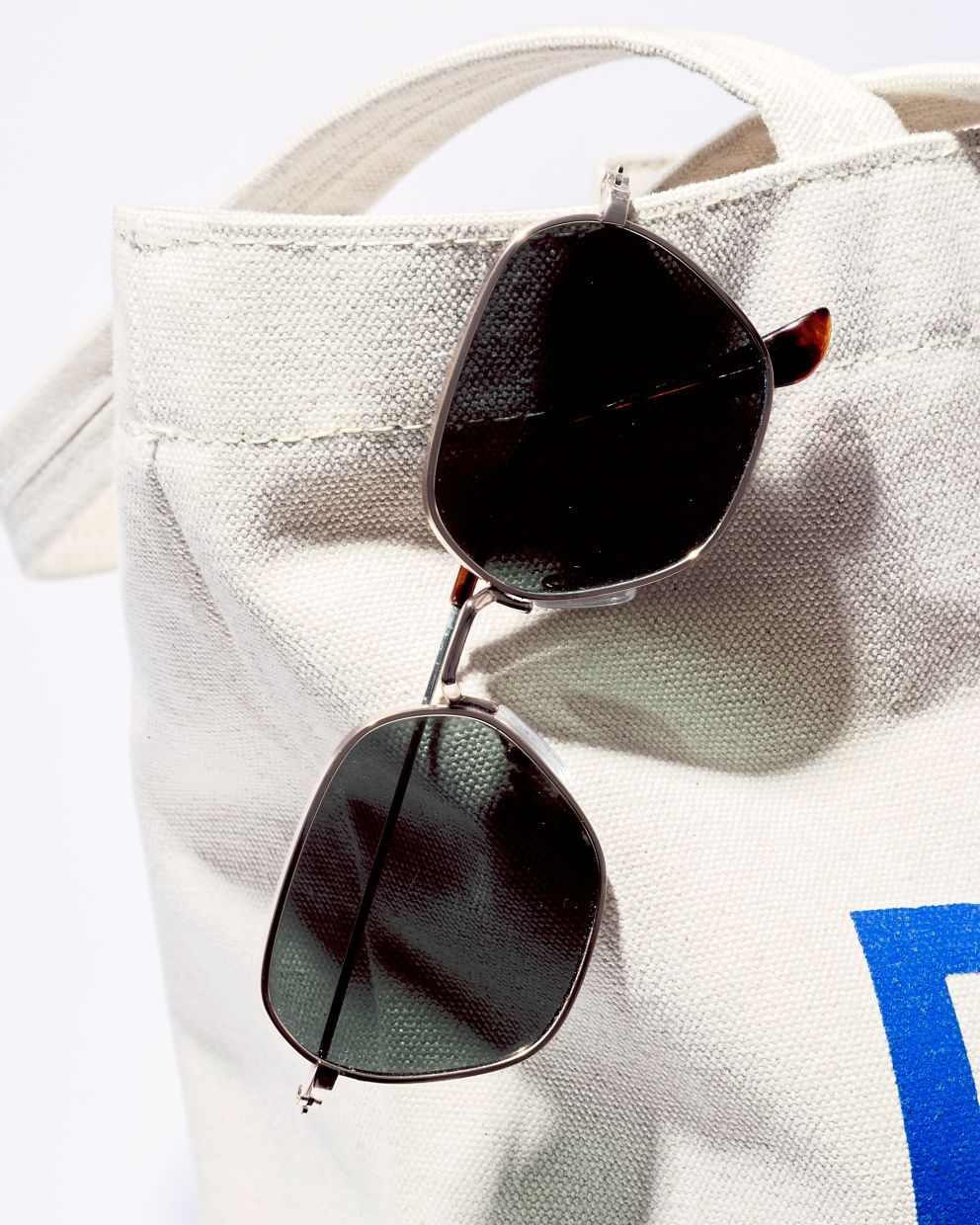
The question of whether sunglasses are an essential accessory or mere fashion statement has a clear answer from the medical community: protecting your eyes from ultraviolet radiation is not negotiable. For those living in Malaysia's intense tropical climate, where sun exposure is virtually unavoidable, understanding the science behind eye protection becomes particularly relevant. Laura Di Meglio, an assistant professor of ophthalmology at the Wilmer Eye Institute at Johns Hopkins Medicine, describes sunglasses straightforwardly as "sunscreen for your eyes," protecting not just the eyes themselves but also the delicate eyelid skin and the surrounding facial area that sees constant exposure throughout the year.
The sun's radiation reaching Earth consists of two harmful ultraviolet types—UVA and UVB—which penetrate regardless of whether skies appear overcast or brilliantly clear. While UVB radiation poses greater immediate danger to eye tissues, both wavelengths accumulate in the eye over time and trigger progressive damage. This distinction matters for Malaysian readers because our equatorial position means year-round, consistent UV exposure that residents in temperate climates experience only seasonally. The cumulative effect of daily sun exposure in tropical regions accelerates the onset of vision-threatening conditions that might otherwise develop much later in life.
Cataracts represent one of the most common consequences of unprotected sun exposure. While this protein buildup in the eye lens naturally occurs as part of ageing, UV radiation significantly hastens their formation and severity. Bryce St Clair, assistant professor of ophthalmology at the Wilmer Eye Institute, notes that intense sun exposure can trigger cataract development decades earlier than would occur naturally. Additionally, ultraviolet rays worsen macular degeneration, a progressive disease causing irreversible vision loss that particularly affects older adults. For working-age Malaysians and retirees alike, preventing these conditions through consistent eye protection offers substantial quality-of-life benefits.
Beyond cataracts, UV exposure causes two specific eye growths with different implications. Pinguecula appears as a small yellowish bump on the eye's white surface and typically causes minor discomfort without affecting vision. Pterygium, however, grows more aggressively into the cornea itself. Di Meglio explains that advanced pterygium can distort vision and occasionally requires surgical removal. These conditions develop gradually through cumulative UV exposure, making prevention through daily sunglasses far more practical than managing established disease.
The skin surrounding the eyes faces particular cancer risk. Dr Dagny Zhu, a cornea and cataract surgeon, points out that the eyelid region contains virtually every cell type found elsewhere in skin, and any of these can become cancerous with excessive UV exposure. In the United States, five to ten percent of all skin cancers develop on the eyelids—a proportion likely mirrored or exceeded in tropical regions with higher ambient UV levels. For Malaysians spending significant time outdoors through work or recreation, this risk warrants serious consideration.
A misconception exists that individuals wearing prescription eyeglasses can skip separate sunglasses since their regular frames presumably offer some protection. The reality proves more nuanced. Most modern prescription lenses, particularly those made from polycarbonate material, incorporate UV protection as standard. Dr Sheri Rowen, a board-certified ophthalmologist specialising in cataract surgery, confirms that clear prescription frames "can have as much protection as a dark lens." However, this protection applies only when those lenses explicitly include UV-blocking coatings or materials. Consumers should verify their glasses meet UV protection standards rather than assuming all prescription lenses provide this benefit automatically.
When shopping for any eyeglasses—prescription or sun-specific—consumers should seek labeling stating "UV400" or "100% UVA/UVB protection." These terms are essentially equivalent, indicating that lenses block ninety-nine to one hundred percent of ultraviolet radiation. In Malaysia, where imported eyewear quality varies considerably, purchasing from established optical retailers offers greater assurance of authentic UV protection compared to informal markets or online sellers lacking verification systems. The temptation to purchase inexpensive sunglasses proves particularly dangerous; extremely dark lenses without UV protection actually amplify eye damage by causing pupils to dilate, allowing more unfiltered UV radiation to penetrate directly to the retina.
Beyond eye disease prevention, sunglasses address immediate discomfort from bright light exposure. Squinting, your body's natural response to excessive brightness, contributes to facial wrinkles including crow's feet. St Clair explains that wearing sunglasses relaxes eye muscles, preventing this repetitive facial contraction. Additionally, bright light causes eye fatigue, dry eyes, headaches, and visual discomfort—problems particularly acute in Malaysia's intense equatorial sunlight. These aesthetic and comfort considerations provide practical daily motivation beyond the disease prevention argument.
Despite sunglasses' importance, they represent only partial protection. Dr Emily M. Schehlein, spokesperson for the American Academy of Ophthalmology, and other experts universally recommend combining sunglasses with additional measures. Wide-brimmed hats block direct sunlight while reducing glare, and broad-spectrum sunscreen protects vulnerable facial skin around the eyes. This layered approach proves especially important for individuals spending extended hours outdoors—common among Malaysian outdoor workers, students, sports participants, and those in the tourism industry.
The practical question remains whether wearing sunglasses every single time one ventures outside is truly necessary. Rowen suggests that unless bright light causes discomfort, occasional indoor or brief outdoor exposure requires less stringent protection than prolonged sun exposure. However, this nuance applies primarily to temperate climates with seasonal variation. Malaysian readers living permanently in intense tropical sunlight should interpret medical guidance more conservatively. The cumulative UV exposure from daily tropical sun exposure justifies consistent sunglasses use whenever spending substantial time outdoors, particularly during peak hours between ten in the morning and four in the afternoon.
Ultimately, eye protection represents a personal decision influenced by individual circumstances, but the medical evidence overwhelmingly supports consistent use of proper UV-blocking sunglasses in tropical environments. The investment in quality eyewear carrying genuine UV400 certification costs far less than treating preventable cataracts, managing macular degeneration, or addressing skin cancer around the eyes. As ophthalmologists emphasise, we require sunlight and outdoor time for both physical and mental health. The goal is not avoiding the sun but ensuring UV radiation never reaches our eyes unfiltered—a straightforward objective achievable through accessible, affordable eyewear.

