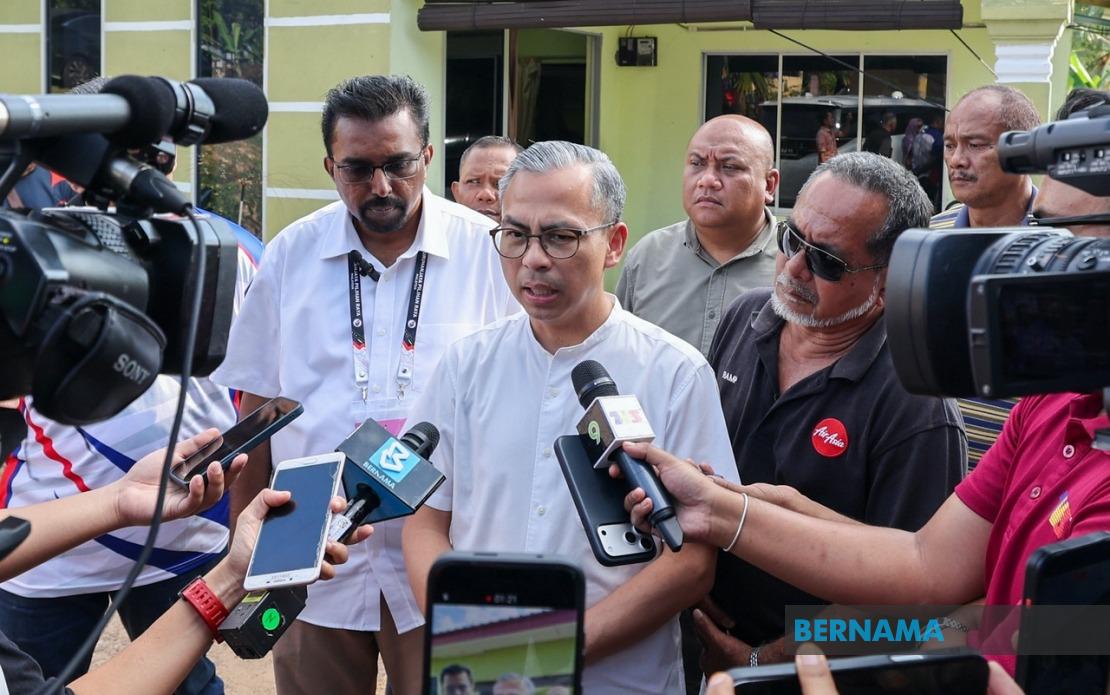
The government faces mounting pressure to make public the long-awaited findings of the Royal Commission of Inquiry into Tabung Haji, with Communications Minister Datuk Seri Fahmi Fadzil becoming the latest senior official to advocate for immediate disclosure. Speaking at a campaign event in Jempol on July 23, Fahmi emphasized that releasing the RCI's final report would serve the fundamental democratic principle of keeping citizens informed about institutional governance, particularly when matters of public concern have been investigated at the highest levels.
Fahmi's intervention signals growing momentum within the government to end the secrecy surrounding the RCI's findings into allegations concerning the Islamic pilgrimage fund's disposal of strategic assets. The Minister stressed that transparency and fairness must guide the administration's approach, arguing that concealing the report would undermine public confidence in both the investigative process and Tabung Haji's current management. His comments underscore a broader shift toward accountability within Prime Minister Datuk Seri Anwar Ibrahim's administration, which has positioned itself as committed to open governance.
Prime Minister Anwar Ibrahim had already signalled receptiveness to disclosure in his own recent statements, indicating the government stands prepared to release the report "in due course." This measured language reflected the careful political considerations surrounding the matter, yet Anwar appeared to acknowledge the legitimacy of public demand for answers. He indicated that he would consult with Chief Secretary to the Government Tan Sri Shamsul Azri Abu Bakar on the mechanics and timing of publication, suggesting procedural rather than substantive obstacles remained to disclosure.
The timeline mentioned by Anwar—suggesting publication no later than the following Wednesday from his comments—pointed to imminent action, though such government announcements often prove aspirational rather than binding. Nevertheless, the consecutive public statements from two senior ministers within days of each other demonstrated institutional alignment on the direction of travel, even if the precise release date remained subject to final approval from the Chief Secretary's office.
Tabung Haji, the pilgrimage savings scheme serving millions of Malaysian Muslims, has faced intense scrutiny in recent years following revelations about its financial exposure and asset management decisions. The RCI was established to examine circumstances around transactions involving what the government has characterized as strategic asset sales, investigations that generated significant public concern about institutional stewardship and safeguarding of depositors' funds. For the fund's contributors—many of whom save diligently for decades to undertake the hajj pilgrimage—clarity about what transpired at the organizational level carries profound personal significance.
Fahmi's emphasis on allowing "depositors, contributors, and the wider public" to achieve comprehensive understanding reflected recognition that Tabung Haji stakeholders span a substantial cross-section of Malaysian society. The pilgrimage fund operates across all states and communities, making its governance a matter of genuine national concern rather than a narrow institutional issue. Public release of the RCI findings would enable informed discussion about the decisions that led to the current situation and provide context for assessing the remedial measures undertaken by present management.
The Communications Minister's framing of the transparency argument centered on public accountability and institutional legitimacy. By making the report public, the government could demonstrate confidence in the RCI's investigative process while simultaneously showing respect for the millions affected by Tabung Haji's operations. Withholding findings would inevitably invite speculation, conspiracy theories, and erosion of trust in both the inquiry and subsequent reforms—outcomes the government clearly wished to avoid given its reform agenda.
Fahmi's assertion that Tabung Haji currently operates "in a much stronger position than it was previously" under its existing management suggested the administration believes the report's contents, while potentially critical of past actions, need not embarrass the present leadership structure. This confidence in current institutional arrangements appeared to underpin the willingness to subject previous decisions to public examination. The implicit message was that accountability for past decisions posed no threat to ongoing operational stability.
The Malaysian context for this debate reflects broader regional tensions between state institutional confidentiality and democratic transparency. Several Southeast Asian nations have grappled with similar questions about releasing official inquiries into state enterprises and public bodies, with varying outcomes. Malaysia's decision to move toward disclosure would position it among the more forthcoming ASEAN economies on matters of public institutional accountability, setting a potential precedent for how other governments in the region handle comparable situations.
For pilgrimage fund contributors, release of the RCI report offers opportunity to understand what went wrong, who bore responsibility, and what safeguards now protect their accumulated savings. This knowledge matters not merely for emotional closure but for informed future decisions about participation in the scheme and broader institutional trust. The government's apparent acceptance of this reasoning suggests recognition that long-term institutional credibility depends on historical transparency rather than protective silence.

