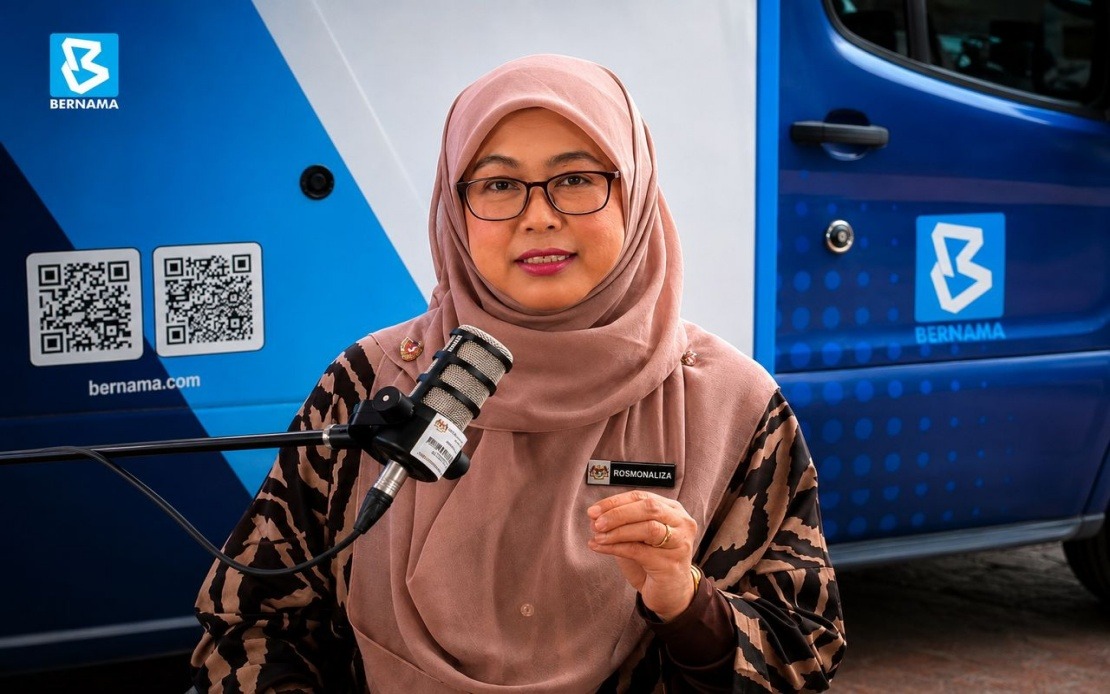
The National Population and Family Development Board (LPPKN) has issued a fresh call for Malaysian fathers to broaden their engagement with their families, moving beyond the conventional image of the sole provider to become active participants in their children's emotional development and educational journey. Speaking during a recent podcast discussion, LPPKN's Family Well-being Division director Rosmonaliza Abdul Ghani underscored that contemporary family dynamics demand a fundamental shift in how fathers approach parenthood, emphasising that effective communication and emotional availability are now central to their responsibilities.
The evolving nature of Malaysian society presents both opportunities and challenges for fathers navigating their roles in the household. Rosmonaliza highlighted that fathers today face pressures that previous generations did not encounter, from managing financial stress to navigating increasingly complex family relationships in an urbanised society. The board's position reflects a broader recognition that traditional definitions of fatherhood no longer suffice, and that children's development depends equally on having emotionally present fathers as it does on material provision. This perspective aligns with international research suggesting that paternal involvement in childhood development has measurable impacts on educational outcomes, mental health, and social behaviour.
A significant development noted by LPPKN is the growing willingness among Malaysian men to seek professional support for their personal challenges. The organisation has observed increased uptake of counselling services, family therapy sessions, and personality assessments among fathers dealing with financial pressures, mental health concerns, and other life difficulties. This shift suggests that stigma around male vulnerability is gradually diminishing, creating space for men to address their problems proactively rather than internalising stress. The board has positioned itself as a non-judgmental resource, deliberately fostering environments where fathers feel comfortable discussing their struggles without fear of criticism or shame.
The connection between absent or disengaged fathers and broader social problems cannot be overlooked in the Malaysian context. Experiences working with vulnerable populations reveal that many young people involved in drug abuse, crime, or street life come from homes lacking active paternal figures. These cases illustrate how the absence of a father's guidance, discipline, and emotional support creates a vacuum that other influences—often negative ones—fill. Rosmonaliza's colleague in these discussions, Abbe, brought practical insights from his work with the urban poor and at-risk youth, demonstrating that family breakdown and social dysfunction are intrinsically linked to paternal disengagement.
Approaching fathers who have struggled with their responsibilities requires sensitivity and understanding rather than judgment. Abbe emphasised that confronting men with strong personalities or fragile egos through punitive or accusatory methods typically backfires, reinforcing defensiveness rather than encouraging change. Instead, interventions rooted in compassion, respect for religious and cultural values, and recognition of shared family principles prove more effective in inspiring fathers to reclaim their roles as responsible household heads. This distinction between confrontational and compassionate approaches has important implications for how Malaysian society designs support systems and public messaging around fatherhood.
The financial pressures facing many Malaysian families add another layer of complexity to paternal roles. When fathers struggle with poverty, job insecurity, or mounting debt, they often experience shame and retreat emotionally from their families, believing their inability to provide materially disqualifies them from contributing meaningfully to their children's lives. LPPKN's support programmes address this directly by helping fathers separate their worth as parents from their economic circumstances, recognising that emotional presence and engaged communication have intrinsic value independent of income levels. This reframing is particularly important in a developing economy where economic inequality remains pronounced.
Spouses and children themselves play a crucial role in supporting fathers through life's challenges, yet this reciprocal dynamic is often overlooked. Rosmonaliza stressed that families function best when all members—including mothers and children—actively encourage fathers to open up about their struggles rather than expecting men to shoulder burdens silently. Children who understand their father's pressures and sacrifices develop deeper appreciation and resilience; conversely, children who never witness their father's vulnerability may internalise unhealthy notions of masculinity that limit their own emotional development. The message is fundamentally about creating family cultures where emotional honesty is valued.
Quality time and presence have emerged as more valuable than material abundance in shaping children's sense of security and belonging. Rosmonaliza's observation that children would rather have their fathers' time and attention than possessions reflects a timeless truth, yet one frequently overlooked in materialistic societies. Malaysian fathers who prioritise evening conversations, weekend activities, or helping with homework invest in their children's long-term psychological and academic well-being in ways that expensive gifts cannot replicate. This message challenges the assumption that financial success alone constitutes good parenting.
The broader implications for Malaysian society are significant. As the country continues to modernise and urbanise, family structures face unprecedented stresses. Divorce rates, single-parent households, and intergenerational conflicts are rising concerns. By elevating the importance of engaged, emotionally intelligent fatherhood, LPPKN is essentially proposing that family resilience—and by extension, social stability—depends on men redefining their roles. This is not about devaluing traditional provider roles, but rather integrating them with newer expectations around emotional labour and active parenting.
Moving forward, the availability of professional support through LPPKN and other organisations signals a system-level commitment to helping fathers succeed. Counselling services, therapy programmes, and community initiatives designed specifically for men address barriers that prevent fathers from seeking help—whether those barriers are cultural, financial, or psychological. For Malaysian fathers struggling with their roles or facing personal challenges, these resources represent an acknowledgment that modern fatherhood requires external support, and that seeking it is a sign of strength rather than failure.
The conversation around fatherhood is ultimately a conversation about what kind of families and society Malaysia wants to build. Children who grow up with engaged, emotionally present fathers tend to have better educational outcomes, stronger mental health, and more stable relationships themselves. By encouraging fathers to move beyond breadwinner roles and actively participate in their children's emotional and educational development, LPPKN is investing in social stability and human capital development. This message will resonate differently across Malaysia's diverse communities, but the core principle—that children need their fathers to be present, communicative, and emotionally available—transcends cultural and economic boundaries.

