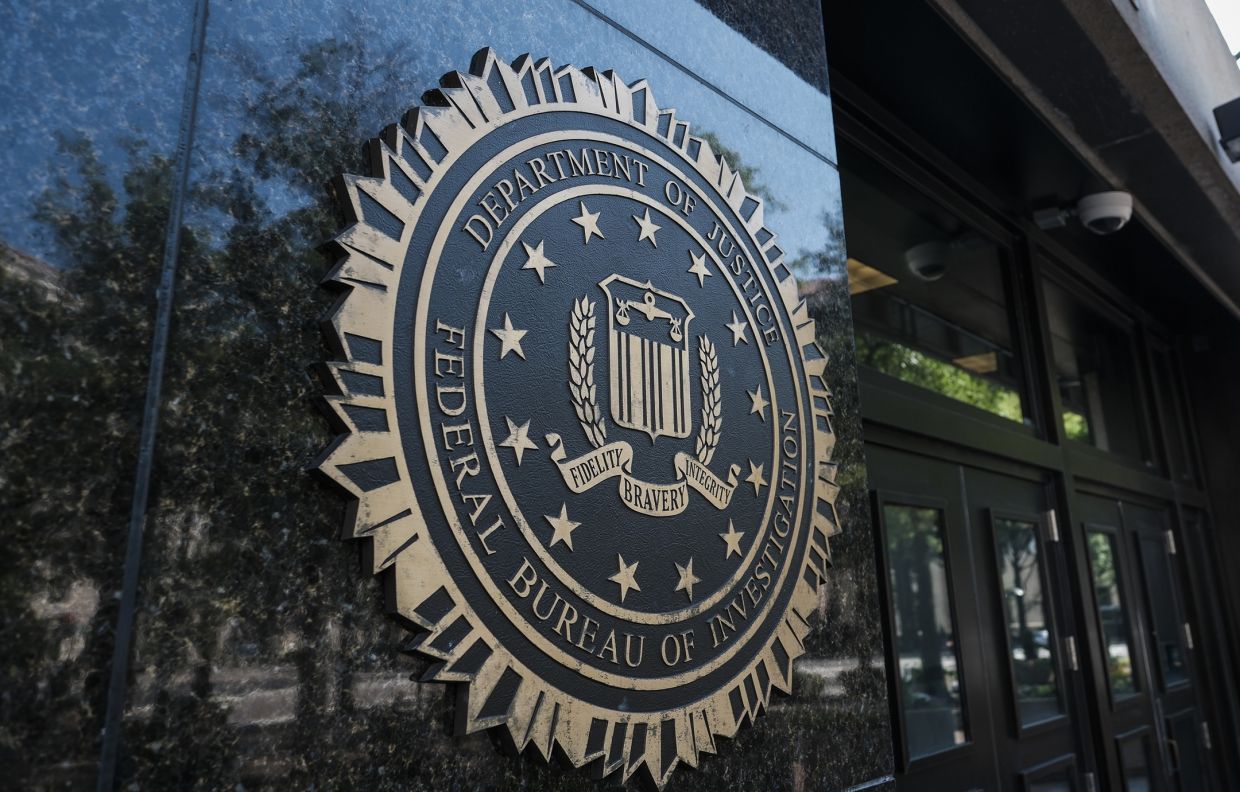
Patrick Yaroch, a supervisory agent working out of the Federal Bureau of Investigation's Washington field office, has been taken into custody following accusations that he misappropriated cryptocurrency seized during an active criminal investigation. The case represents an unusual breach of trust within federal law enforcement and raises fresh questions about the integrity of evidence handling procedures in high-value digital asset cases.
The supervisory agent's confession came voluntarily when his conscience became overwhelming, according to court documents filed in connection with the case. Yaroch approached a Justice Department employee and disclosed his actions, telling them that the matter was deeply troubling him personally and that he needed to unburden himself of the secret. This admission provided authorities with the initial lead that would eventually prompt his arrest.
Regarding the scale of the alleged theft, Yaroch initially suggested the amount fell below US$1 million, explaining that the funds had been commingled with his personal cryptocurrency holdings, making an exact accounting difficult. However, when federal investigators examined the digital wallet where he had deposited the misappropriated assets, they discovered approximately US$1 million in cryptocurrency, substantially confirming the magnitude of the suspected misconduct.
According to charging documents, the supervisory agent began making unauthorised withdrawals from the suspect's account sometime between late 2024 and early 2025, executing between ten and twelve separate transactions over this period. His access to the account credentials stemmed from his official role in the FBI investigation of the account holder, with Yaroch utilising a passphrase that investigators had lawfully obtained during their probe.
What distinguishes this case is Yaroch's stated motivation for the theft. Rather than claiming simple financial desperation, he articulated frustration with the Federal Bureau of Investigation's perceived inaction against cryptocurrency accounts belonging to adversaries or subjects of interest. Court records indicate that colleagues reported Yaroch describing himself as "spinning out of control" and expressing exasperation that the institution either could not or would not take stronger measures against problematic cryptocurrency holdings.
The timeline of events became compressed when Yaroch indicated his willingness to cooperate further with investigators, with both parties apparently arranging a formal interview scheduled for August 3 following legal consultation. However, in what appeared to be a precautionary measure, FBI leadership authorised a weekend search of his residence and his arrest on charges of possessing stolen property. The urgency of the operation underscores the seriousness with which the bureau treated the potential flight risk, despite his apparent cooperation.
Notably, Yaroch has not yet faced formal charges specifically related to the cryptocurrency theft itself, a distinction that legal observers suggest may reflect either the accelerated pace of the investigation or prosecutorial strategy considerations. The absence of more serious charging documents may also indicate that authorities are still gathering additional evidence or determining the precise legal framework under which to proceed in what represents a complex case involving both federal employee misconduct and digital asset misappropriation.
The case takes on additional dimension when considering Yaroch's apparent financial aspirations. Digital records of his internet searches, specifically queries submitted to ChatGPT in May, reveal his interest in investment strategies focused on accumulating US$1 million with a retirement target around age forty. More intriguingly, his online interests extended to lifestyle planning, with particular attention to slower-living alternatives in locations such as Cilento, Italy, and Portugal's Dao region, suggesting a motivation rooted in achieving personal lifestyle changes.
For Malaysian and Southeast Asian readers, this incident carries particular relevance given the region's growing role in global cryptocurrency markets and the increasing involvement of digital assets in transnational criminal investigations. The case illustrates the vulnerability of evidence chains when substantial cryptocurrency holdings are involved, and the pressures that law enforcement personnel may experience when tasked with managing high-value digital assets. It also raises important questions about oversight mechanisms and the checks and balances necessary to prevent the misuse of investigative access by officials themselves.
The breach of institutional trust represented by Yaroch's alleged conduct echoes broader concerns about cryptocurrency regulation and enforcement globally. As governments worldwide develop frameworks for managing digital assets, questions about the integrity of institutions handling seized or evidence-related cryptocurrency become increasingly critical. Law enforcement's capacity to maintain public confidence depends on transparent procedures and robust accountability mechanisms, particularly when individuals with access to significant digital wealth holders are involved.
The lack of legal representation noted in current court records suggests Yaroch may still be navigating the early stages of the judicial process. The coming weeks will likely see the emergence of additional details about how he accessed the passphrase, what safeguards existed to prevent such misuse, and whether any supervisory lapses enabled the theft. These details will prove important not only for understanding this particular case but for informing best practices in digital asset evidence management across law enforcement agencies facing similar challenges in an increasingly crypto-centric global economy.

