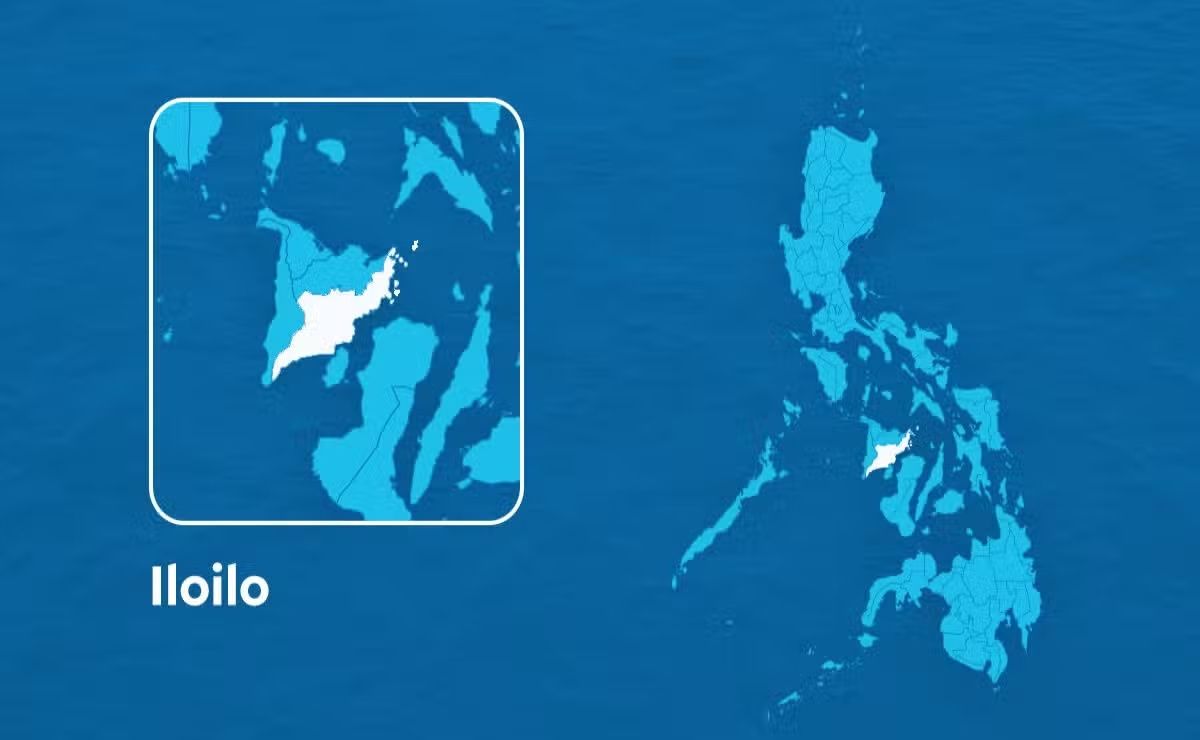
Rey Grabato II, a prominent businessman from Iloilo, has been located in the Philippines following his addition to the Federal Bureau of Investigation's Most Wanted Fraudsters list, according to his family members who have now made a public appeal for measured consideration of the case. The businessman's father, Mina town mayor Rey Grabato, disclosed on Friday that his son is currently in Iloilo, though he refrained from elaborating on the specifics of his whereabouts or circumstances. The family's measured response signals an attempt to manage public perception while addressing serious criminal allegations emanating from the United States.
The FBI formally announced on Thursday that Rey Grabato II had been placed on its Most Wanted Fraudsters list, citing charges encompassing conspiracy to commit securities fraud, securities fraud, conspiracy to commit wire fraud, wire fraud, and conspiracy to defraud the United States with respect to taxation. These allegations represent serious federal crimes that carry substantial legal consequences. The charges appear to centre on fraudulent activities related to investments and financial misconduct, suggesting a complex case involving multiple layers of criminal conduct spanning across jurisdictional boundaries.
The family's public statement, released through Christopher Rey Grabato, the businessman's youngest brother, emphasises that neither Rey Grabato II nor any authorised representatives have received formal notice or summons from Philippine or United States authorities. This assertion carries significance for understanding the current legal status and suggesting that formal extradition or prosecution proceedings have not yet been formally initiated. The family's willingness to address the matter through proper legal channels indicates an expectation that due process will be observed, a particularly relevant consideration given the international nature of the allegations.
A critical component of the family's defence strategy centres on Rey Grabato II's medical condition, which Christopher Rey characterised as severe and debilitating. According to the family statement, the businessman suffered a significant stroke that has left him partially paralysed with substantial limitations affecting his mobility, communication, and cognitive abilities. This medical reality introduces complexity into the case, as it potentially impacts his capacity to participate in legal proceedings or defend himself adequately against the charges. The family has framed his medical treatment and rehabilitation as their immediate priority, positioning the health crisis as the dominant concern requiring attention.
The statement released by Christopher Rey sought to contextualise his older brother's role within the National Realty Investment Advisors, the organisation at the centre of the controversy. He referenced Barron's, the financial publication owned by Dow Jones & Company, and cited federal prosecutors who allegedly characterised Rey Grabato II's leadership position at NRIA as "titular" in nature. This characterisation suggests the family's argument that their relative held a largely ceremonial or nominal position rather than exercising substantive operational control over the entity. If accurate, such a designation could potentially diminish his culpability for fraudulent conduct occurring within the organisation.
The family's strategy extends to redirecting responsibility toward other individuals allegedly responsible for governance and decision-making at NRIA. Christopher Rey emphasised that Thomas Nicholas Salzano served as the primary figure directing the agency's operations and governance. Salzano has already been apprehended by federal authorities, suggesting that prosecution efforts have progressed against at least one key figure in the alleged fraud scheme. This approach attempts to position Rey Grabato II as peripheral to the central criminal activities rather than as a primary architect of fraudulent conduct.
For Malaysian and Southeast Asian observers, this case illustrates the complexity that arises when wealthy regional businesspeople become entangled in cross-border financial fraud allegations. The intersection of serious federal charges, medical incapacity, and questions regarding individual culpability within organisational structures mirrors patterns seen in other high-profile cases across the region. The involvement of international financial institutions and the transnational nature of the alleged crimes underscore how effectively modern law enforcement has become at pursuing financial crimes that transcend national boundaries.
The family's public appeal for understanding and restraint reflects awareness that media coverage and public perception can significantly influence legal outcomes, particularly in cases with substantial reputational consequences. Their emphasis on proper legal processes and willingness to address matters through appropriate forums suggests they are preparing for prolonged legal engagement rather than seeking immediate resolution. The invocation of medical incapacity as a mitigating factor will likely feature prominently in any future proceedings, particularly concerning the defendant's ability to participate meaningfully in his defence.
The situation also highlights broader questions about responsibility within complex financial organisations, particularly regarding the extent to which nominal or ceremonial leadership positions carry legal accountability for fraudulent conduct. The distinction between titular authority and substantive control becomes legally and factually significant in fraud cases involving multiple actors and organisational structures. The family's argument that Rey Grabato II occupied a largely ceremonial position, coupled with evidence that Salzano exercised actual operational authority, may influence how courts assess individual culpability and apportion responsibility among alleged conspirators.
As this case develops, attention will focus on whether formal charges are filed, whether Rey Grabato II's medical condition permits his participation in legal proceedings, and how Philippine authorities coordinate with their United States counterparts. The presence of an accused on the FBI's Most Wanted Fraudsters list while residing in the Philippines creates diplomatic and procedural questions about extradition, mutual legal assistance, and the enforcement of transnational criminal law. Regional implications may extend to how other nations address similar cases involving their citizens and how international cooperation frameworks function in addressing sophisticated financial crimes that span multiple jurisdictions.

