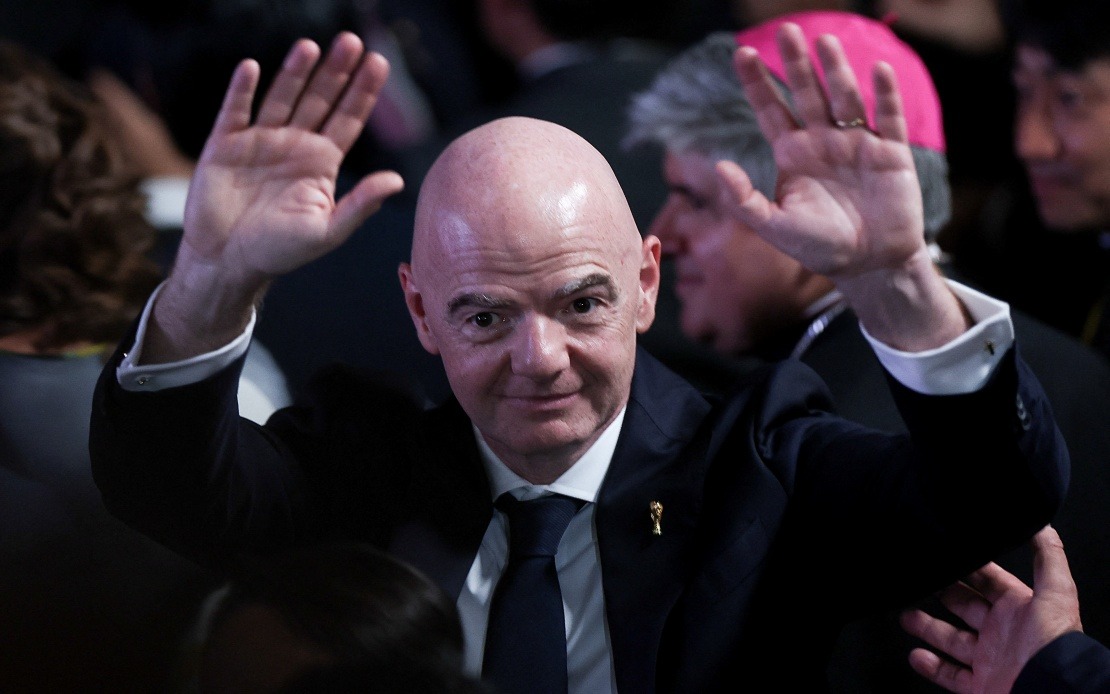
Football's world governing body has moved decisively to protect Gianni Infantino's position, issuing a forceful statement late Saturday in Istanbul reaffirming that no presidential election will be recognised unless it follows FIFA's established statutes and democratic protocols. The statement represents an escalation in FIFA's defence of its embattled leader as resistance to his continued tenure grows within the global football community, signalling potential factional disputes that could reshape the sport's power structure in coming months.
FIFA's stance reflects mounting pressure from multiple quarters questioning Infantino's leadership approach and governance decisions. The organisation explicitly rejected what it characterised as a coordinated campaign to undermine both the institution and its president, accusing unnamed critics of attempting through public allegations and media campaigns to reverse outcomes they could not achieve through formal democratic channels. This framing suggests internal disputes have spilled into public view, with disputes that were once confined to private corridors now playing out across global media outlets and football networks.
The timing of FIFA's intervention is particularly significant given Infantino's intention to pursue a fourth term as president. Unlike previous election cycles, his current bid appears to face unprecedented organised resistance, a factor that compelled FIFA to make its position unambiguous. By anchoring its defence in the organisation's constitutional framework, FIFA has effectively preempted potential challenges and signalled that any alternative process would be deemed illegitimate regardless of who initiates it.
Support from continental confederations has been crucial to FIFA's defensive posture. Both the South American Football Confederation (CONMEBOL) and the Confederation of African Football (CAF) have aligned themselves with FIFA's position, a show of solidarity that represents the two regions controlling the largest blocs of voting members within FIFA's 211 member associations. This backing demonstrates that despite growing criticism, Infantino retains backing from influential power brokers within world football, particularly in regions where his financial investments and commercial initiatives have been popular.
Infantino's tenure has been characterised by significant expansion of football's commercial apparatus and revenue generation. FIFA's statement emphasised his more than three decades of involvement in European and global football, along with what the organisation characterises as expanded access, resources, and opportunities across the sport. Yet this framing glosses over the substantive concerns that have prompted scrutiny of his leadership, including questions about FIFA's governance transparency, spending decisions, and the distribution of benefits from the sport's growing wealth.
The accusation of deliberate misinformation represents a notable rhetorical shift by FIFA. Rather than engage directly with specific criticisms, the organisation has opted to delegitimise the entire discourse surrounding Infantino's presidency, categorising complaints as unsubstantiated, distorted, or manufactured. This approach effectively narrows the acceptable parameters of discussion about FIFA's leadership and governance, potentially suppressing legitimate debate within member associations about the direction of world football.
For Southeast Asian football, these divisions carry practical implications. Nations in the region depend on FIFA's financial support, tournament structure decisions, and development programmes. Leadership instability or factional conflict could affect resource allocation, tournament scheduling, and the influence smaller associations can exercise in global football governance. Malaysian football, alongside other regional associations, has stakes in how these disputes resolve and what priorities dominate FIFA's agenda in coming years.
The emphasis on FIFA's "responsibility to its 211 Member Associations" represents a strategic invocation of democratic legitimacy. By reframing the debate as one between FIFA's institutional interests and those of member associations, the statement attempts to mobilise grassroots support and remind confederations that their collective wellbeing depends on institutional stability. However, this argument cuts both ways: member associations also have legitimate interests in ensuring their governance structures remain responsive and accountable.
The statement's repeated distinction between "legitimate scrutiny" and alleged distortion reveals FIFA's attempt to occupy middle ground. By acknowledging that oversight is appropriate while simultaneously delegitimising current criticism, FIFA seeks to demonstrate openness while foreclosing space for serious challenge to Infantino's tenure. This nuance matters because it suggests FIFA recognises that completely dismissing all concerns would strain relationships with member associations.
Looking forward, the depth of divisions evident in these statements suggests that Infantino's fourth-term campaign faces genuine obstacles despite institutional backing. The fact that FIFA felt compelled to issue such a comprehensive defensive statement indicates that internal opposition has reached levels requiring coordinated response. The coming months will likely see intensified lobbying among member associations, with different continental confederations and individual nations navigating complex calculations about their interests in either supporting or challenging the incumbent president.
The broader significance extends beyond personalities to governance principles. How FIFA resolves this succession question will shape the organisation's approach to accountability and democratic renewal. If institutional entrenchment prevails, it may signal to member associations that challenges to leadership require overwhelming consensus to succeed. Conversely, if opposition forces achieve meaningful influence in subsequent negotiations, it could establish precedents for greater contestation in future FIFA leadership contests.

