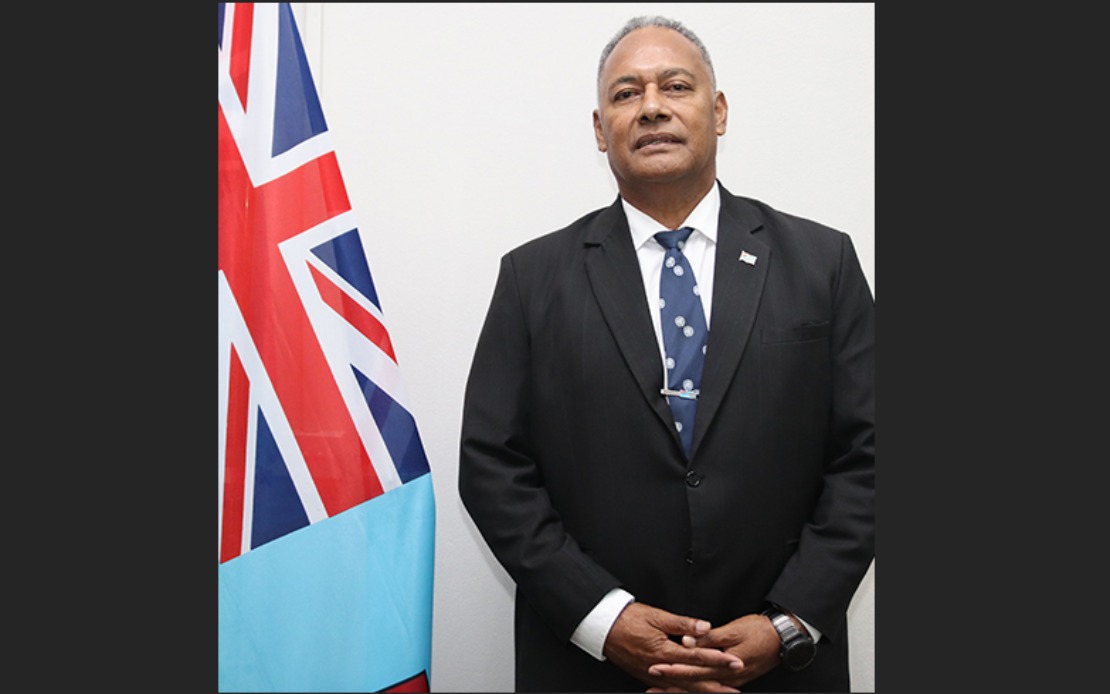
Fiji's Foreign and External Trade Minister, Sakiasi Raisevu Ditoka, is travelling to Malaysia this week on a four-day working visit designed to advance the partnership between the two nations. The trip, scheduled from Sunday through Wednesday, comes at a time when both countries are seeking to deepen their engagement across multiple sectors and expand their cooperative footprint in the Indo-Pacific region.
During the visit, Ditoka will hold discussions with Malaysia's Foreign Minister Datuk Seri Mohamad Hasan to review progress on shared interests and identify new pathways for collaboration. The bilateral agenda encompasses trade and investment promotion, technical capacity building, forestry management, renewable energy development, and cultural exchange. Malaysia's Foreign Ministry emphasised that the ministerial meeting will serve as a platform for candid dialogue on regional challenges and international developments affecting both nations.
The visit also carries significance for Malaysia's broader engagement with Pacific Island states. Officials from both countries plan to use the occasion to reinforce coordination on regional and international matters affecting the Pacific community. This reflects Malaysia's sustained effort to maintain meaningful relationships with nations across the Indo-Pacific, a region increasingly important to Malaysian strategic and economic interests. Such high-level diplomatic visits underscore the value both governments place on maintaining active dialogue channels.
Beyond foreign policy discussions, the economic dimension of Ditoka's trip will be equally prominent. He is scheduled to meet Investment, Trade, and Industry Minister Datuk Seri Johari Abdul Ghani to examine untapped opportunities for commercial expansion. Both ministers will explore sectors where complementarities between the two economies could generate mutual prosperity. This conversation is particularly relevant given Malaysia's established expertise in areas such as palm oil, rubber, manufactured goods, and services, alongside Fiji's position as a gateway to Pacific regional trade.
A symbolic highlight of the visit is the reopening of Fiji's High Commission in Kuala Lumpur, which underscores both nations' commitment to maintaining robust diplomatic infrastructure. The establishment of a dedicated Malaysia-Fiji Business Council during this visit further institutionalises commercial engagement and provides a structured mechanism for private sector actors from both countries to collaborate on joint ventures and identify investment opportunities.
Trade data reveals the current imbalance in bilateral commerce. In 2025, total bilateral trade reached RM880.01 million, equivalent to US$206.2 million. Malaysian exports dominated the relationship, valued at RM867.92 million or US$203.41 million, while Fiji's exports to Malaysia amounted to just RM12.09 million or US$2.80 million. This significant asymmetry suggests considerable room for Fiji to increase its export capacity to the Malaysian market, particularly in agricultural and marine products where the island nation holds natural advantages.
For Malaysian businesses, Fiji represents both a direct market and a potential hub for accessing broader Pacific opportunities. The island nation's geographic position, coupled with its membership in regional trade arrangements and its role as a cultural and commercial crossroads in the South Pacific, makes it strategically valuable. Malaysian investors in sectors ranging from manufacturing to hospitality have found Fiji an attractive location for establishing regional operations.
The renewable energy component of these discussions carries particular weight, reflecting global momentum toward sustainability goals. Both nations face energy security challenges and have recognised the potential of solar, wind, and hydroelectric resources. Collaboration between Malaysian expertise in renewable technology deployment and Fiji's natural endowments could yield practical outcomes in clean energy infrastructure development, with implications for the broader Pacific region.
Forestry cooperation similarly addresses pressing environmental concerns. Malaysia possesses significant experience in sustainable forest management and timber production, while Fiji's forest reserves represent both ecological and economic assets requiring careful stewardship. Technical partnerships in this domain could enhance both nations' capacity to balance resource utilisation with conservation objectives.
Cultural exchange, though often overlooked in bilateral discussions, remains a vital component of lasting international relations. Enhanced people-to-people connections through educational scholarships, tourism promotion, and cultural festivals strengthen the human foundations of state relationships and create constituencies within both societies invested in positive bilateral outcomes.
The timing of this visit also reflects broader patterns in Malaysian foreign policy. As Southeast Asia navigates complex geopolitical dynamics and competes for influence in the Indo-Pacific, Malaysia's consistent engagement with smaller island nations demonstrates strategic patience and genuine commitment to regional partnerships. Unlike transactional approaches focused solely on immediate gains, Malaysia's approach to nations like Fiji emphasises long-term relationship building and inclusive regional frameworks.
For Fiji, deepening ties with Malaysia offers access to a more developed economy, proven business expertise, and a gateway to the broader ASEAN market. Given Fiji's economic constraints and vulnerability to climate impacts, partnerships with stable, technology-capable nations provide valuable support for development initiatives and resilience building.
Looking forward, the outcomes of Ditoka's visit—particularly the functioning of the new Malaysia-Fiji Business Council and any specific commercial agreements emerging from ministerial discussions—will indicate how substantially both governments intend to elevate their partnership. Success in converting diplomatic goodwill into tangible economic results will establish a template for deepening Malaysia's engagement throughout the Pacific region.

