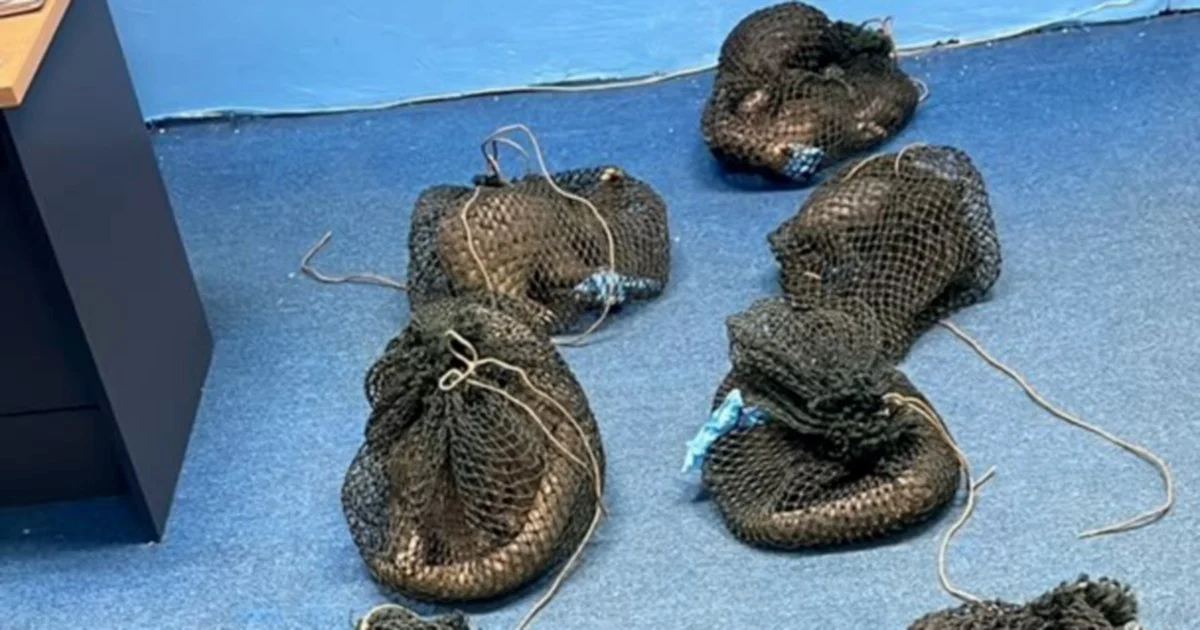
A wildlife enforcement operation in Sabah has resulted in the arrest of a 27-year-old Filipino national found harbouring 10 living pangolins and an elephant tusk at a plantation facility in Kampung Paris 3, Kinabatangan, marking another significant seizure in the region's ongoing struggle against illegal animal trafficking.
The discovery represents the type of organised trafficking networks that continue to exploit Malaysia's position as both a source and transit point for protected fauna destined for Asian black markets. Pangolins remain the world's most trafficked mammals, with their scales ground into traditional medicine and their meat consumed as a delicacy in parts of East Asia. The concurrent seizure of elephant ivory underscores how trafficking operations frequently involve multiple species, suggesting coordinated supply chains rather than opportunistic poaching.
Kinabatangan's location along Sabah's eastern coast, with proximity to the Philippines and Indonesia, makes it a strategic corridor for cross-border smuggling networks. The plantation setting indicates deliberate camouflage efforts, with perpetrators attempting to blend illicit operations into agricultural infrastructure where monitoring agencies face resource constraints. Such tactics have become increasingly sophisticated as enforcement agencies tighten coastal and airport checkpoints, pushing traffickers toward rural and agricultural zones.
The capture of live pangolins rather than processed scales or meat suggests the animals were likely destined for breeding operations or immediate export to foreign markets. Live specimens command premium prices compared to processed products, with some Asian markets willing to pay substantially for animals they believe possess greater medicinal potency. This preference for live trafficking creates additional welfare concerns, as survival rates during transport and captivity remain low without proper veterinary care.
The case highlights the vulnerability of Sabah's wildlife to exploitation, particularly as deforestation and agricultural expansion continue fragmenting natural habitats. Pangolins in Malaysian Borneo already face pressure from habitat loss; poaching operations compound these conservation challenges significantly. The timing and location of this arrest suggest that traffickers may be accelerating operations, possibly in response to recent enforcement successes elsewhere in Southeast Asia that have disrupted traditional smuggling routes.
Malaysia's position within global trafficking networks reflects both the abundance of fauna within its territory and the strategic geography of the region. Law enforcement agencies have intensified operations following international pressure and commitments under the Convention on International Trade in Endangered Species (CITES). However, transnational criminal syndicates have demonstrated remarkable adaptability, frequently diversifying their supply sources and distribution methods to evade detection.
The elephant tusk seized during this operation carries particular symbolic weight, as African elephant poaching networks frequently overlap with Asian wildlife trafficking organisations. The presence of ivory in Malaysian custody indicates either local demand or a transshipment operation, with Sabah serving as a consolidation point before materials move toward Vietnamese, Chinese, or Thai markets where demand remains persistently high despite legal restrictions.
Investigations into the arrested individual's background will likely reveal operational connections beyond a single plantation location. Trafficking networks typically involve multiple stakeholders including sources, transporters, consolidators, and end-market facilitators. The capture of one operative provides intelligence opportunities for authorities to unravel supplier chains and identify downstream distribution networks operating within Malaysia or connected to foreign criminal enterprises.
This incident reinforces that wildlife crime remains a significant criminal justice concern requiring sustained engagement from multiple agencies. Cooperation between Malaysian authorities, Philippine law enforcement, and international partners through mechanisms like ASEAN and INTERPOL proves essential for disrupting networks before contraband reaches final markets. The cross-border nature of this case demonstrates why regional coordination significantly outperforms unilateral enforcement approaches.
For Malaysian conservation efforts, such seizures represent both success in catching violators and sobering evidence that poaching pressure persists across protected species. Enhanced penalties for trafficking offences, combined with community engagement to reduce demand, form essential components of comprehensive anti-trafficking strategy. The economic incentives driving individuals like the arrested Filipino national remain powerful; addressing root causes of poaching requires tackling poverty in source regions while simultaneously crushing demand in wealthy consuming nations.
Future enforcement responses should consider how plantation infrastructure and rural areas increasingly facilitate trafficking while remaining under-monitored compared to traditional smuggling corridors. Training programmes for agricultural sector workers to identify trafficking indicators could transform rural landscapes into early warning systems. Additionally, securing wildlife corridors and protecting remaining intact forest areas reduces both traffickers' access to animals and availability of supply at source.

