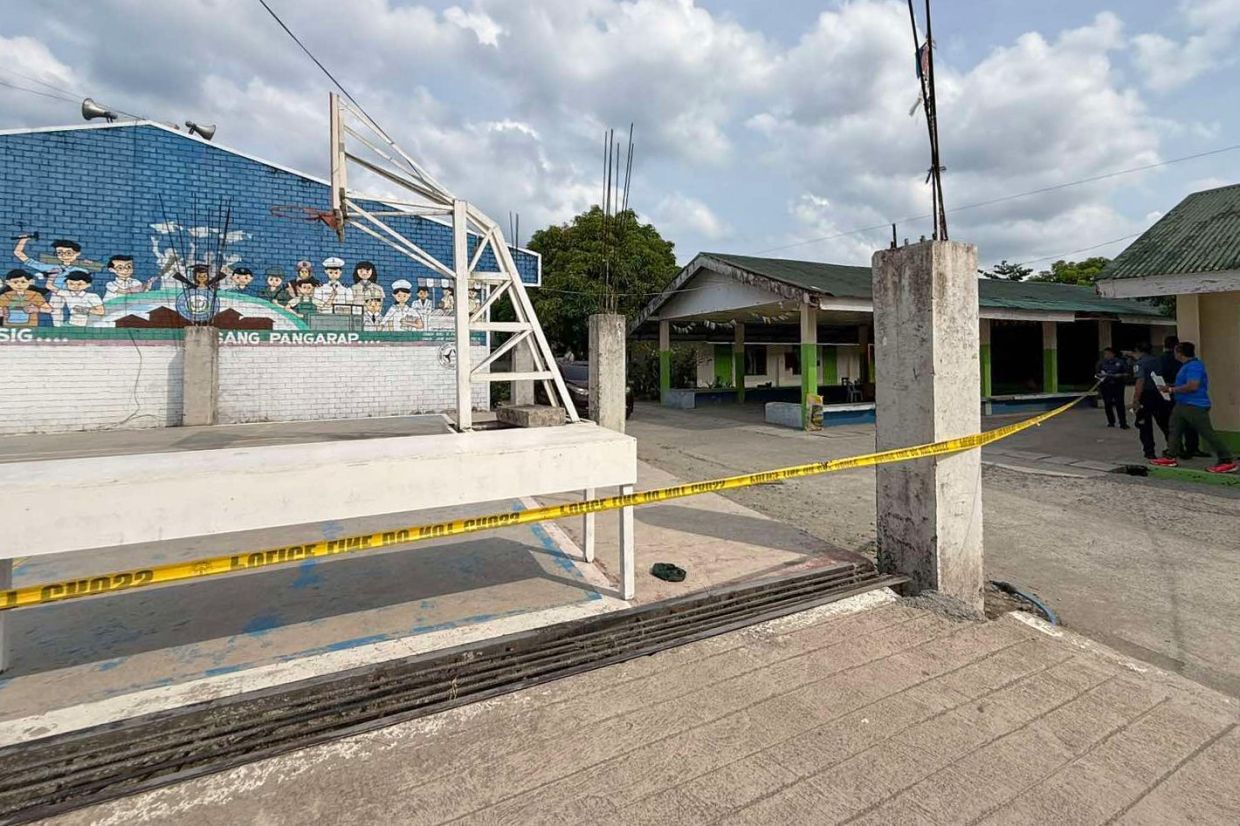
Authorities in the Philippines have detained a 14-year-old female student accused of threatening violence against her school through social media posts, marking another concerning incident in a troubling pattern of school-based threats and attacks. Interior Secretary Jonvic Remulla disclosed the arrest on Thursday following a referral from Senator Bam Aquino regarding the student's inflammatory posts made late Wednesday night. The Grade 10 pupil, a student of Tolosa National High School in Leyte, was taken into custody by operatives from the Philippine National Police Criminal Investigation and Detection Group after her threatening messages came to light.
The teenager's social media posts carried explicit warnings directed at her classmates, with language suggesting imminent danger. Her messages instructed fellow students to prepare themselves for potential violence, stating that they would "recognise" her when she carried out her threat, though she would remain unknown to them beforehand. The posts referenced grievances against specific individuals, claiming they "owed" her something, and warned of indiscriminate violence including shooting and stabbing. The threatening material was circulated across multiple Facebook accounts that the minor allegedly created specifically to disseminate the menacing content, demonstrating a deliberate effort to maximise reach among her target audience.
The investigation revealed that the student had attempted to obscure her identity by operating several different social media accounts to broadcast her threats. However, Philippine National Police investigators successfully traced the posts back to her through social media analysis and information provided by concerned individuals who reported the threatening material. Once authorities began closing in on her identity, the suspect deleted her accounts and the offending posts, apparently attempting to cover her tracks as law enforcement drew near. Despite these efforts, police had gathered sufficient evidence to identify her definitively and bring her in for questioning.
When confronted by authorities, the teenager proved reluctant and uncooperative during interrogation, apparently fearful of potential consequences for her actions and statements. Her parents, when approached by officers from Tolosa Municipal Police Station, similarly resisted providing information about the incident or their daughter's activities and state of mind. This combination of family resistance and the minor's own hesitation complicated the investigation, though police maintained they had sufficient evidence of her involvement. The lack of transparency from both the student and her family created additional obstacles for investigators attempting to understand her motivations and assess the credibility of her threats.
Under Philippine law, the detention of this minor was ultimately constrained by the Juvenile Justice and Welfare Act. Republic Act No. 9344 prohibits charges against minors below a certain age, limiting the legal options available to prosecutors. Consequently, the Department of Social Welfare and Development took custody of the student, and she was subsequently released, as authorities lacked the legislative framework to prosecute her through the regular criminal justice system. This legal limitation reflects broader questions about how the Philippines should handle juvenile perpetrators of serious crimes and threats in an era of increasing youth violence.
Investigators concluded that personal and family difficulties likely motivated the student's threatening posts rather than any organised conspiracy or intent to acquire weapons. Police found no evidence that she was involved in a coordinated plot with other individuals or that she had access to firearms or other weapons necessary to carry out the violent acts she had described. Her threats, while serious and disturbing, appeared to originate from interpersonal grievances and emotional distress rather than a carefully planned campaign of violence. This assessment provided some reassurance that the immediate threat posed by her posts had been neutralised, though it raised concerning questions about the psychological state of young Filipinos.
Authorities noted that the teenager may have been influenced by the recent shooting at San Jose National High School in Tacloban City, which occurred just days before her posts. That attack, carried out by two students aged 14 and 15, resulted in three deaths and at least 20 injuries, making it a high-profile event that captured national attention and potentially inspired copycat threats. The timing of the Tolosa student's posts so closely following this tragedy suggested that media coverage and the visibility of the Tacloban incident may have contributed to her decision to make her own threats public.
A particularly striking commonality emerged during the investigation: both the perpetrators of the Tacloban shooting and the Tolosa student making threats were identified as enthusiastic players of GoreBox, a violent video game featuring graphic content. The connection prompted authorities to take action against the game itself, with the Cybercrime Investigation and Coordinating Centre implementing a temporary ban on GoreBox following the Tacloban incident. This response reflects growing governmental concern about the potential role of violent media in encouraging real-world violence among young people, though the causal relationship between gaming and violent behaviour remains scientifically contested.
The incident underscores an emerging crisis of school-based threats and violence across Southeast Asia's largest Catholic nation. The convergence of social media, which provides teenagers with platforms to amplify their grievances and threats to wide audiences, with the apparent influence of violent digital media, has created a volatile combination in adolescent environments. Schools in the Philippines now face the dual challenge of maintaining security against potential attackers while also managing the psychological well-being of students capable of generating sophisticated threats.
For Malaysian observers, the incident offers sobering lessons about the transnational nature of violent youth trends and the difficulty of containing school-based threats in an interconnected digital environment. Southeast Asian countries face similar pressures from gaming culture, social media dynamics, and adolescent social stressors, suggesting that what occurs in the Philippines may foreshadow challenges elsewhere in the region. The incident also illustrates how quickly threats can escalate from digital posturing to genuine law enforcement responses, and how international cooperation and information-sharing become increasingly important as young people move seamlessly across digital platforms.
The release of the Tolosa student without charges, while appropriate under Philippine juvenile justice law, highlights the tension between rehabilitation-focused approaches to youth offenders and public safety concerns. Authorities will need to monitor her closely, ensure she receives appropriate psychological support, and work with her family to address the underlying issues driving her threatening behaviour. More broadly, the incident suggests that the Philippines may need to reconsider how it handles juvenile threats of violence, particularly those disseminated widely through social media where they can inspire panic and copycat behaviour among other vulnerable youth.

