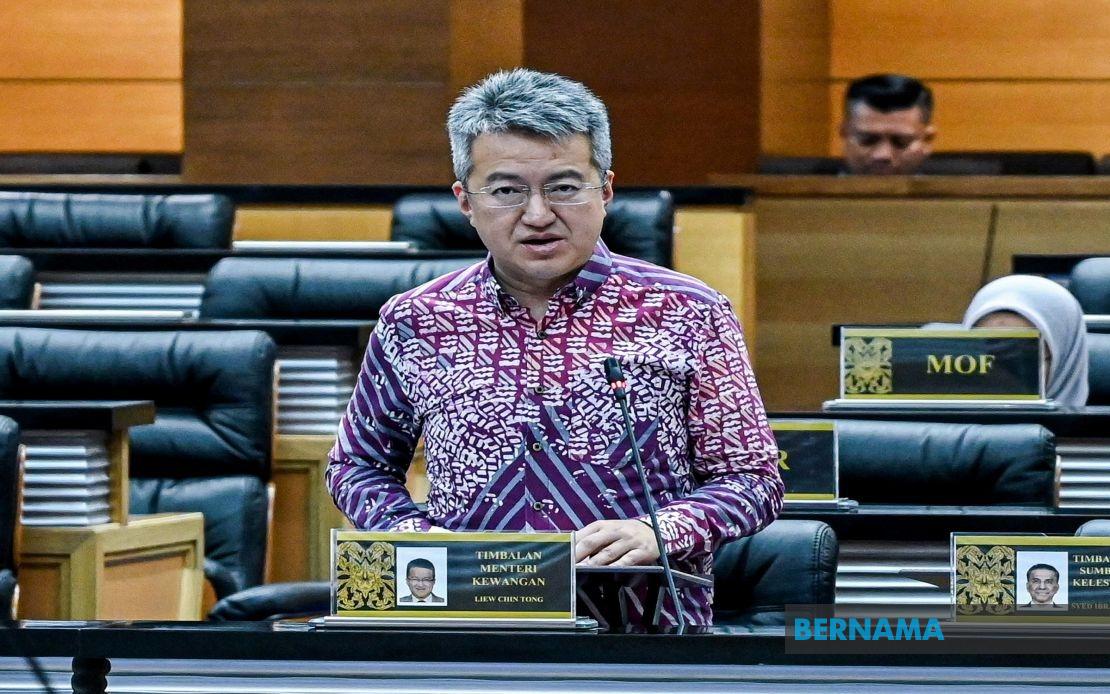
The Malaysian government is conducting a comprehensive examination of a proposal that could relieve elderly care facilities from paying the eight per cent Sales and Service Tax, acknowledging mounting pressure from families struggling with escalating care costs. Deputy Finance Minister Liew Chin Tong confirmed that both the Ministry of Finance and the Ministry of Women, Family and Community Development are jointly investigating the merits of such an exemption during parliamentary proceedings on July 16, with the intention of reaching a decision that protects vulnerable populations from additional financial hardship.
The impetus for this review stems from growing concerns about affordability within Malaysia's rapidly ageing society. Parliamentarian Lee Chuan How from the Ipoh Timor constituency raised the matter directly, highlighting that families utilising care centres registered with the Social Welfare Department are already confronting substantial monthly expenses in the region of RM2,500, making the additional eight per cent service tax a meaningful burden that accumulates substantially over time. This concern resonates particularly in the Malaysian context, where many families balance multiple obligations and where elderly care remains largely a personal family responsibility rather than a comprehensive social safety net.
Crucially, the Finance Ministry's investigation extends beyond a simple yes-or-no decision on exemptions. The study encompasses a detailed categorisation of care facilities based on the quality and nature of services they provide, distinguishing between those delivering fundamental care and those offering premium services. This nuanced approach reflects recognition that different types of facilities serve populations with varying economic circumstances, and that a blanket approach could inadvertently benefit affluent operators while potentially missing those genuinely serving lower-income families. The ministry's willingness to engage in this granular analysis suggests policymakers understand that SST policy must be calibrated carefully to target relief where it is genuinely needed.
Liew's commitment to conduct on-site visits to elderly care facilities, undertaken jointly with officials from the women and family development ministry, indicates that the government intends to base its decision on empirical observation rather than abstract policy considerations. These visits will facilitate direct conversations with care centre operators, allowing officials to understand the genuine operational challenges these facilities face and how the tax burden impacts their capacity to provide affordable services. For a region where policy implementation often suffers from disconnect between design and ground reality, such commitment to field assessment represents a constructive approach.
The government has also signalled openness to feedback from stakeholders throughout the consultation process. By explicitly inviting proposals and suggestions from all interested parties before finalising the study, the Finance Ministry has created space for care operators, patient advocacy groups, and affected families to present evidence and arguments that might shape the final policy. This inclusive methodology, if executed transparently, could produce outcomes that command broader acceptance and reflect genuine community needs rather than disconnected administrative decisions.
The eight per cent service tax itself, introduced as part of Malaysia's broader tax reform efforts, has generated considerable debate about its incidence on essential services. For elderly care, the tax essentially adds a surcharge to an already significant expense, making it an issue of particular salience to middle-class families who cannot afford premium private healthcare alternatives but who also struggle with the compound costs of formal care services. The fact that this concern has reached parliamentary level indicates that the issue carries political weight and reflects genuine hardship rather than trivial complaints.
Regionally, Malaysia's approach to elderly care financing mirrors challenges facing other Southeast Asian nations experiencing rapid demographic ageing. Countries throughout the region grapple with balancing fiscal sustainability against obligations to support expanding elderly populations, and the Malaysian government's willingness to examine targeted tax relief speaks to this broader tension. The outcome of this study may thus provide instructive lessons for neighbouring jurisdictions considering similar policy adjustments.
The timing of this review is significant given Malaysia's evolving economic conditions and inflationary pressures that have intensified cost-of-living concerns across the population. Policymakers appear responsive to accumulating evidence that certain vulnerable groups, including families with elderly dependents, are experiencing genuine strain. While the study's ultimate conclusions remain uncertain, the government's visible engagement with the issue demonstrates attentiveness to constituent concerns and suggests that some form of relief mechanism remains plausible, even if complete exemptions may not materialise.
The parliamentary process that generated this government commitment also reflected broader engagement with governance issues, with 63 motions debated across 16 sitting days involving input from 18 government ministries. This wider context suggests that elderly care financing, while important, remains one of numerous policy questions requiring government attention and resources. Nevertheless, the specific commitment to investigate SST exemptions for elderly care centres indicates that this particular issue has gained sufficient prominence to warrant dedicated ministerial focus and joint inter-agency coordination.

