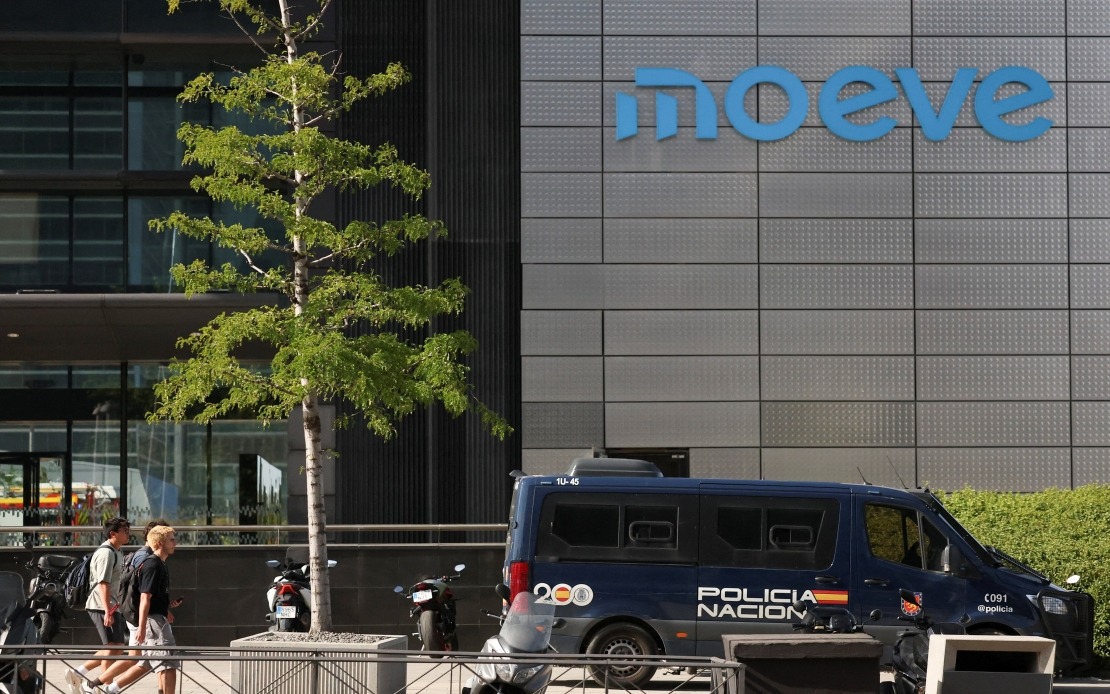
A major fire incident unfolded in central Madrid on Tuesday when Spain's second-tallest skyscraper, Torre Moeve, was struck by an explosion and subsequent blaze that sent thick smoke billowing across the city skyline. The dramatic scene, visible from numerous vantage points throughout the Spanish capital, triggered an immediate emergency response that demonstrated the city's well-coordinated disaster management protocols. The tower's location in one of Madrid's most prominent business districts meant the incident drew significant public attention and media coverage as the situation developed.
The explosion that precipitated the fire occurred at approximately 5.00 pm local time, according to reports from Spain's National Police cited by the national broadcaster RTVE. The initial blast appeared to originate from technical infrastructure rather than occupational areas, a distinction that likely prevented more severe consequences. The precise cause of the explosion remained under investigation by authorities, though the location within mechanical systems suggested potential issues related to building utilities or maintenance operations.
Responding swiftly to the emergency, building management initiated a full evacuation as a precautionary measure, ensuring that occupants left Torre Moeve before conditions could deteriorate. This preventive action, though perhaps cautious in hindsight, reflected standard safety protocols designed to protect human life in high-rise incidents where situations can escalate unpredictably. The evacuation process in a structure of Torre Moeve's scale, housing numerous offices and personnel, represented a significant logistical undertaking completed without reported chaos or injury during the departure itself.
The Spanish government delegation in Madrid reported that the fire took hold primarily on the 25th floor, where the building's technical rooms are concentrated. These spaces typically house critical mechanical and electrical systems essential to the skyscraper's operations, including air conditioning, electrical distribution, and other building infrastructure. The containment of the blaze to this floor, occupied primarily by equipment rather than personnel, meant that direct exposure to flames and extreme heat affected no workers, a critical factor in preventing casualties.
Firefighters from the Madrid City Council responded with efficiency, bringing the fire under control and subsequently declaring it extinguished. Following suppression of the flames, emergency personnel conducted detailed inspections of the building's interior to assess structural integrity, identify any lingering hazards, and determine when safe re-entry could be permitted. This methodical post-incident assessment phase remained ongoing as authorities worked to establish clear circumstances surrounding the explosion and fire.
While the scale of the incident might suggest numerous casualties, medical outcomes proved remarkably benign. Two workers present in the building experienced mild smoke inhalation but received treatment at the scene and were released without hospital admission. Additionally, a passer-by outside suffered anxiety brought on by witnessing the dramatic event unfolding above street level, also treated and discharged locally. The absence of serious injuries or fatalities represented a fortunate outcome that contrasted sharply with the scale and visibility of the emergency response.
For readers in Southeast Asia, including Malaysia, the Torre Moeve incident highlights the importance of rigorous building safety standards and emergency preparedness in high-rise structures. As regional cities develop increasingly ambitious skyline projects, understanding how advanced economies manage catastrophic incidents in complex buildings offers valuable lessons. The Spanish response exemplified how proper evacuation procedures, trained emergency services, and structural safeguards can minimize human cost even when major incidents occur.
The incident also underscores the vulnerability of critical infrastructure within modern skyscrapers. Technical floors housing mechanical and electrical systems represent potential flashpoints for fires if not properly maintained and monitored. Building operators across Asia, where many structures undergo rapid expansion and intensification of use, should consider whether their maintenance protocols and safety systems match those demonstrated in European standards.
Torre Moeve's status as Spain's second-tallest building meant this incident attracted attention not only for its immediate dramatic impact but also for what it suggested about safety protocols in landmark structures. The swift response and favorable outcome should not obscure ongoing questions about what triggered the initial explosion, whether preventive maintenance could have averted it, and what improvements might further protect occupants in future situations. These investigations will likely inform safety discussions across European building management circles and potentially influence practices globally.
As operations at Torre Moeve resumed following the incident, the episode served as a reminder that even in developed nations with stringent building codes, unexpected emergencies can occur with dramatic effect. The professional response demonstrated that when systems function as designed and personnel act with proper training, serious outcomes can be prevented despite alarming circumstances.

