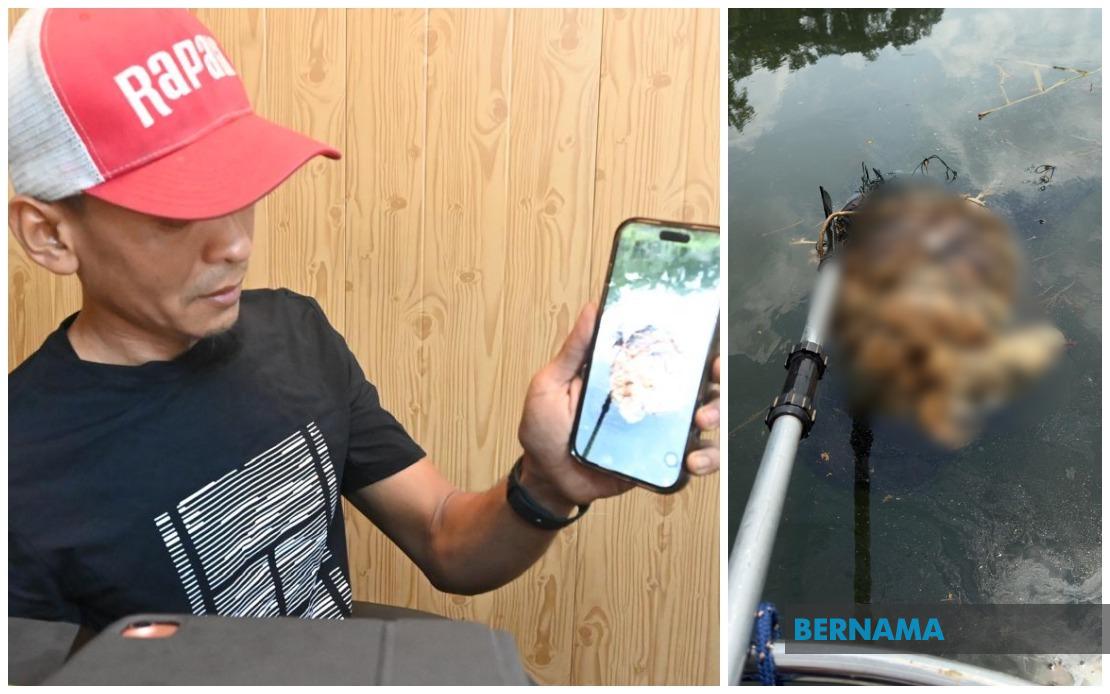
A routine fishing expedition turned into a grim discovery when a Batu Pahat resident spotted a corpse wrapped and bound in netting at Sungai Tanjung Sembrong, Parit Raja. Muhamad Zul Fikri Borhanodin, 33, was attempting to record content for social media when he made the unsettling find around 11 am on August 3, setting off a police investigation that would lead to multiple arrests within hours.
Initially uncertain about what he had encountered, Muhamad Zul Fikri assumed the floating mass was an animal carcass—a common sight in these waters. The object's appearance provided little clarity from a distance, and the river's regular deposits of organic matter had conditioned local fishers to expect such findings. However, as he approached for a closer examination, the overwhelming stench emanating from the wrapped bundle forced a change in assessment. The distinctive odour of decomposition, combined with the sight of what appeared to be fabric wrapping and netting, prompted immediate concern.
The crucial moment of recognition came when Muhamad Zul Fikri observed a pair of jeans protruding from the netting. This detail proved decisive in converting suspicion into certainty. Rather than investigate further alone, he contacted a nearby friend operating another boat and alerted them to the discovery. His decision to seek assistance and report the matter promptly would prove instrumental in the rapid police response that followed. The two men, having secured the location of the body, notified authorities immediately.
Police received notification of the discovery at approximately 12.30 pm, just over ninety minutes after Muhamad Zul Fikri's initial spotting. According to Johor deputy police chief DCP Hoo Chuan Huat, the response was swift and coordinated. Initial investigations quickly connected the discovery to an existing missing person report filed on July 29 by the victim's wife, who had reported her husband's disappearance from Mutiara Rini in Iskandar Puteri. This connection between the two separate incidents—the missing report and the body discovery—marked the investigation's first significant breakthrough.
The victim's disappearance from Mutiara Rini, located in the Iskandar Puteri area some distance from the river where the body was found, suggested circumstances extending beyond a simple accident or natural occurrence. The fact that the body had been deliberately wrapped and secured with netting indicated intentional concealment. Police moved swiftly to pursue leads, and by the same day of the discovery, three male suspects aged between 26 and 40 were apprehended in the Batu Pahat area to assist with investigations.
Muhamad Zul Fikri's experience with the river provided additional perspective on the gravity of the situation. Having fished at Sungai Tanjung Sembrong for more than twenty years, he possessed intimate knowledge of its typical conditions and recurring incidents. He noted that this represented his second encounter with a body at this location, the previous occasion involving a person who had fallen into the river several years prior. The recurrence of such discoveries at this particular stretch of water raised questions about river safety, accessibility, and whether certain areas posed particular risks.
The discovery also highlighted the dual role of recreational and occupational activities in uncovering crime. Muhamad Zul Fikri's attempt to create social media content—reflecting the modern practice of documenting hobbies and daily experiences—inadvertently placed him at the scene during a critical window. His presence, combined with his observational skills and willingness to respond appropriately, transformed what could have remained an undetected disappearance into an active investigation.
For the broader Batu Pahat and Johor community, the incident underscored vulnerabilities in public safety along riverine areas. The deliberate nature of the concealment suggested premeditation and criminal intent rather than an accidental drowning. The involvement of multiple suspects arrested for questioning indicated a coordinated operation rather than an isolated event. Police investigations would need to establish the sequence of events from the victim's disappearance in Mutiara Rini through to the body's placement in the river.
The case also demonstrated the effectiveness of swift information-sharing and reporting procedures. The missing person report filed on July 29 created an investigative framework that allowed authorities to rapidly connect the discovered remains to an existing case file. This coordination between family reports and field discoveries represents a crucial component of modern policing in serious crime investigations.
As police continued their inquiry into the three arrested suspects, several critical questions remained unanswered. The motive for the alleged crime, the timeline between disappearance and discovery, and the specific circumstances leading to the victim's death in the river all required clarification through further investigation. For Muhamad Zul Fikri and the fishing community frequenting Sungai Tanjung Sembrong, the incident served as an unwelcome reminder of the dangers that can lie beneath seemingly ordinary river activities.

