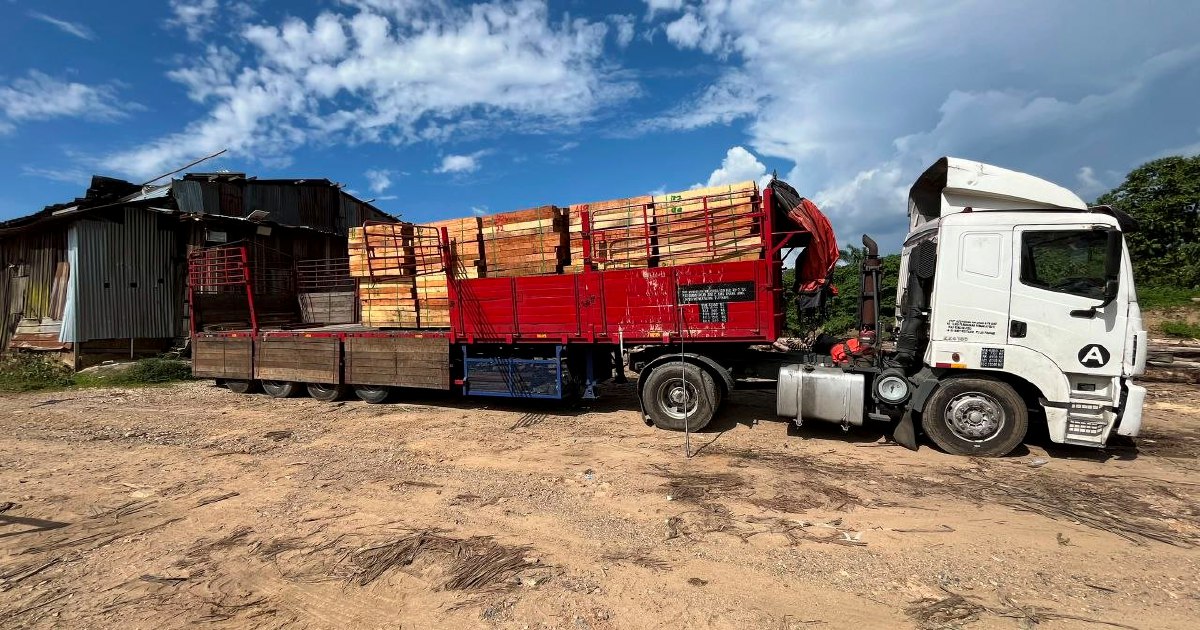
Authorities have dismantled a clandestine timber processing operation in Kuala Krai following a coordinated enforcement raid on a factory premises in the Sungai Embak area. Five men were taken into custody during the operation, which also resulted in the confiscation of sophisticated machinery, processing equipment and substantial quantities of timber. Officials valued the seized items and materials at RM2.32 million, marking a significant recovery in the ongoing battle against illegal forestry activities in the region.
The discovery of this operation highlights the persistent challenges facing Malaysia's forest management authorities. Illegal logging and unregulated timber processing remain endemic problems across several states, particularly in Peninsular Malaysia where enforcement resources are often stretched thin. The sophistication of the seized machinery suggests that this was not a small-scale opportunistic enterprise but rather an organised operation with substantial capital investment and supply networks. The location in Sungai Embak, a relatively accessible industrial area near Kuala Krai town, underscores how illegal processors often establish themselves in semi-developed zones where they can blend in with legitimate light industries.
The timber and forestry sector remains vulnerable to exploitation despite decades of regulatory frameworks and licensing requirements. Perpetrators typically source timber through various means: unauthorised felling in state forestry reserves, acquisition of illegally harvested logs through middlemen, and processing materials that lack proper documentation. Once processed into sawn timber, plywood or other products, the material becomes significantly harder to trace back to its origin. The opacity of supply chains at multiple stages enables operators to obscure the provenance of their raw materials and move finished goods into legitimate commercial channels.
Enforcement agencies operate under considerable operational constraints. Tipoffs about illegal operations often come too late for authorities to gather sufficient intelligence, and coordination between state forestry departments, federal agencies and local enforcement officers sometimes experiences delays. The financial margins in illegal timber processing are substantial enough to justify operational security measures, including employment of lookouts and systematic rotation of processing schedules. Raids conducted without comprehensive intelligence preparation frequently recover only partial stocks, as persistent operators maintain distributed storage and processing facilities across multiple locations.
The implications extend beyond the immediate loss of forest resources. Illegal timber processing distorts market competition, allowing unscrupulous operators to undercut legitimate processors who comply with sustainability requirements, licensing fees and labour standards. This market disadvantage incentivises further rule violations across the sector. Additionally, illegal operations typically extract timber from forest reserves meant to be protected under national forestry management plans, undermining biodiversity conservation objectives and contributing to forest degradation.
Kelantan has historically been a region of concern regarding forestry management. The state's extensive forest reserves face continuous pressure from competing land-use demands and the economic desperation of communities living adjacent to protected areas. Local employment opportunities in formal timber industries remain limited, creating incentives for involvement in black-market operations. The Kuala Krai district, situated in the state's interior, has adequate road access to major markets but lies sufficiently removed from intensive oversight to shelter clandestine activities.
The value of seized assets provides a quantifiable measure of the scale of illegal operations that authorities detect. The RM2.32 million figure represents potential profit lost from the enterprise, though it reflects only this single facility. Given that enforcement agencies acknowledge that detected illegal operations likely represent only a fraction of actual clandestine activity, the total economic impact of undetected illegal timber processing across Malaysia remains substantially higher. Market analysts have previously estimated that informal timber processing accounts for a significant percentage of total regional timber trade.
Investigation into the network supplying raw materials to this facility will likely prove as significant as the immediate arrests. Tracing timber to its harvesting point, identifying intermediaries and tracking distribution channels requires sustained investigative effort and inter-agency cooperation. Prosecuting the individuals involved and securing convictions requires thorough evidence gathering and documentary proof of offences. Past cases have demonstrated that perpetrators often exploit procedural complexities and legal ambiguities regarding timber documentation standards.
The enforcement success also depends on sustained political commitment and adequate resource allocation. Salary levels for enforcement personnel, equipment budgets for surveillance and testing capabilities, and funding for inter-agency task forces all directly influence capacity to detect and prosecute violations. Malaysian federal authorities have periodically launched special operations against illegal timber networks, achieving notable seizures, but maintaining consistent pressure requires long-term institutional investment rather than episodic enforcement campaigns.
This raid reflects the commitment of Malaysian enforcement bodies to address forestry crimes, yet the persistence of such operations despite regulatory oversight suggests systemic challenges. Future progress likely requires multi-faceted approaches encompassing enhanced monitoring of timber processing permits, deployment of technology-enabled tracking systems for timber movement, strengthened engagement with legitimate industry associations to facilitate reporting of suspicious supply sources, and community-level incentive programmes that reduce dependence on informal economic activities tied to illegal forestry.

