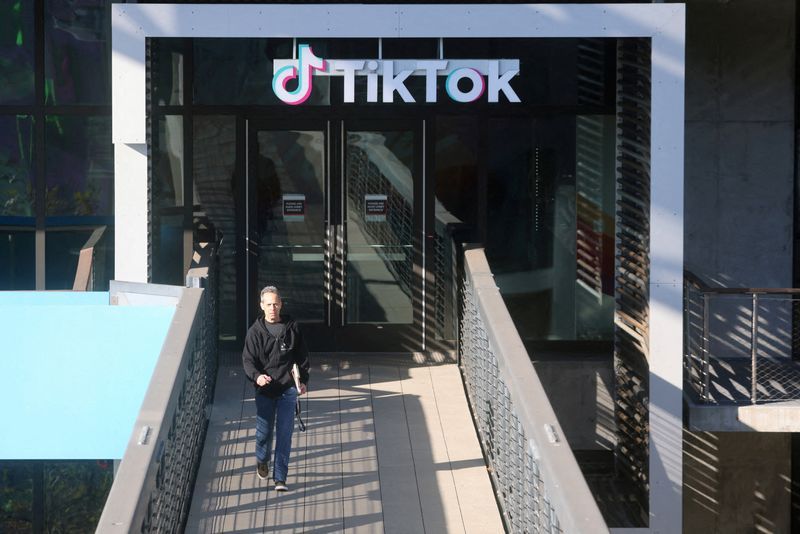
Florida's attorney general James Uthmeier filed suit against TikTok on Monday, asserting that the video-sharing platform contravenes a state statute designed to shield minors from social media platforms. The complaint was lodged in St. Lucie County court and singles out TikTok for allegedly enabling underage access whilst misrepresenting the prevalence of violent and sexually explicit content available to younger users.
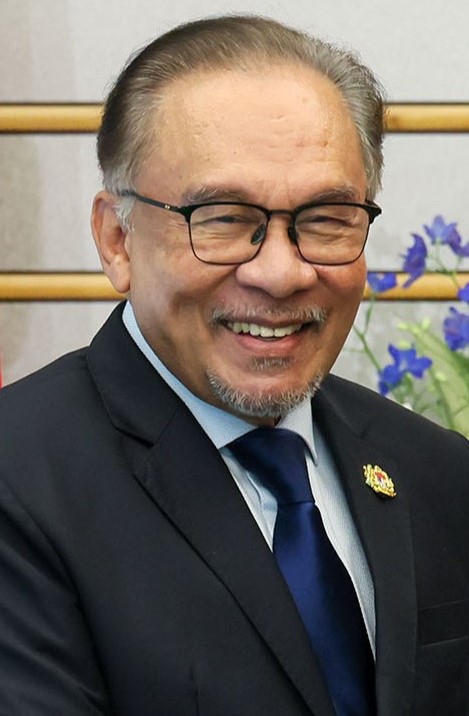
Uthmeier, a Republican, expressed strong disapproval in a statement, saying TikTok knowingly misleads parents and exposes children to inappropriate material in breach of Florida regulations. The attorney general emphasised the state's commitment to protecting young people, declaring zero tolerance for corporations that place financial interests ahead of child welfare.
The filing seeks a court order requiring ByteDance-owned TikTok to alter its operations to align with Florida law, along with monetary compensation. A TikTok representative responded by stating the company has been cooperating with state officials and is suspending accounts belonging to Florida users aged 13 and below. The platform is also implementing further modifications to comply with the state's requirements, according to the statement.
TikTok faces mounting legal pressure nationwide, with more than 25 state attorneys general pursuing separate actions claiming the platform is deliberately engineered to captivate young users and trigger mental health problems. The company joins Meta Platforms and other social media operators defending against thousands of claims from individuals and school districts regarding their effects on young people. A Los Angeles jury previously found Meta and Alphabet's Google liable for negligence, while TikTok settled that case before proceeding to trial and agreed to pay Kentucky's school district $8 million in another settlement.
Florida's action centres on legislation designated H.B. 3, which became effective in January 2025 and mandates platforms prohibit accounts for users under 14 whilst requiring parental approval for those under 16. The state previously sued Snapchat owner Snap on comparable grounds. A federal judge declared the law unconstitutional, yet that decision has been temporarily suspended, permitting enforcement while the state pursues an appeal.