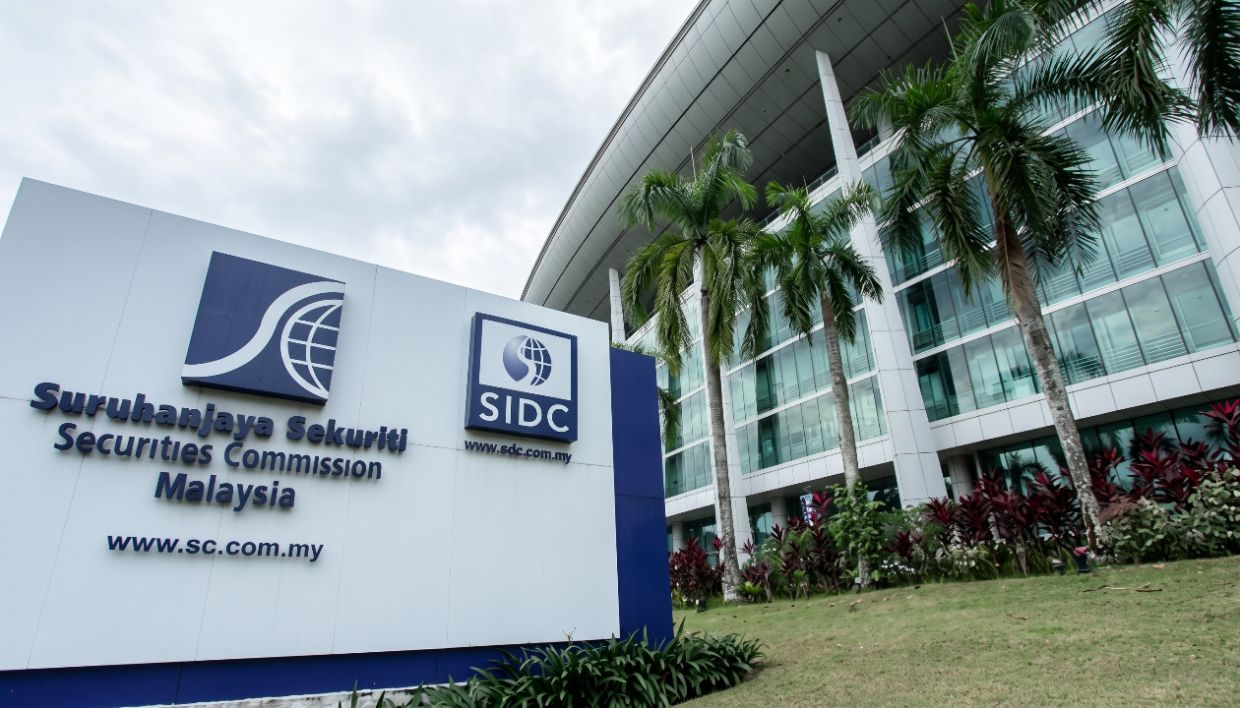
The Kuala Lumpur Sessions Court has concluded a significant case against former bank analyst Mohd Arif Fadzlee Mohd Arifin, imposing a three-year custodial sentence after finding him guilty on two separate charges related to operating in the securities industry without proper authorization from the Securities Commission Malaysia. The conviction marks an important enforcement action in Malaysia's increasingly vigilant oversight of financial services practitioners and their adherence to regulatory requirements.
Mohd Arif faced charges filed by the Securities Commission Malaysia on January 23, 2024, under the Capital Markets and Services Act 2007. The first charge accused him of misrepresenting himself as a representative of CIMB Wealth Advisors Berhad whilst engaging in the regulated activity of dealing in securities, a role for which he held neither a Capital Markets Services Representative's Licence nor any registration with the SC. The gravity of this infraction lies in the fundamental principle that securities dealing is classified as a controlled activity under Schedule 2 of the CMSA, requiring all practitioners to obtain proper licensing before engaging clients or members of the public.
The second charge centred on Mohd Arif's misuse of the Unit Trust Consultant designation, a title that conveyed legitimacy and regulatory compliance to unsuspecting investors. By adopting this credential without authorization, he created a misleading impression that he possessed the necessary licensing to conduct securities transactions on behalf of clients. This form of title misuse represents a particularly insidious violation because it exploits the public's reliance on professional designations as markers of trustworthiness and qualification.
The unlawful conduct occurred within Petaling Jaya and Nilai during 2011, spanning multiple jurisdictions within the Klang Valley region. Mohd Arif initially contested both charges and was released on bail set at RM60,000 while awaiting trial. The extended timeframe between the alleged offences in 2011 and formal charges in 2024 reflects the substantial investigative and procedural work undertaken by the Securities Commission to build its case, demonstrating the regulator's commitment to pursuing violations regardless of how much time has elapsed.
The prosecution marshalled a comprehensive evidentiary strategy, calling ten witnesses to substantiate its allegations, including two individuals who had fallen victim to Mohd Arif's unlicensed activities. This witness-intensive approach allowed the court to hear directly from those affected by his conduct, providing compelling testimony about the real-world consequences of operating outside the regulatory framework. On February 27, 2026, the Sessions Court determined that the prosecution had successfully established a prima facie case, obliging the defence to present its own evidence.
Mohd Arif chose to give evidence under oath in his own defence but called no supporting witnesses to corroborate his account. The court ultimately found his testimony unconvincing and concluded that he had failed to introduce reasonable doubt regarding the prosecution's case. This judicial assessment suggests the evidence of his unlicensed activities and fraudulent representation was sufficiently clear and persuasive to overcome any alternative narrative he presented.
The sentencing reflects the court's assessment of the severity of these violations. Mohd Arif received three years imprisonment for each charge, with both terms ordered to run concurrently, meaning he will serve a total of three years rather than six. Under section 59(1) of the CMSA, the statutory maximum penalty for unlicensed securities dealing includes fines reaching RM5 million or imprisonment up to five years, or both. Similarly, section 362(3) violations carry maximum penalties of RM1 million in fines or five years imprisonment, or both. The court's sentence therefore sits at the lower end of the available range, suggesting it may have considered mitigating factors not disclosed in the public record.
This case carries significant implications for financial services practitioners across Malaysia and the broader Southeast Asian region. It underscores the Securities Commission's determination to prosecute those who circumvent licensing requirements, whether through omission or deliberate deception. For investors and the financial services industry, the conviction reinforces the importance of verifying that any person offering investment advice or securities services holds current, valid credentials from the SC.
The case also highlights the vulnerability of clients who may not possess sufficient financial literacy to distinguish between licensed and unlicensed practitioners. The use of professional-sounding titles and purported affiliation with established institutions like CIMB can lend credibility that deceives ordinary investors. The enforcement action serves as a cautionary reminder that regulatory compliance in the securities industry is non-negotiable, and those who operate outside legitimate channels face serious criminal liability.
For the financial services sector and regulatory authorities across Southeast Asia, this verdict reinforces that consumer protection remains paramount. As investment products become increasingly complex and access to financial markets more democratized through digital channels, the risk of unauthorized practitioners exploiting these trends grows accordingly. Malaysia's Securities Commission has demonstrated through this prosecution that it possesses both the investigative capacity and prosecutorial will to pursue violators, offering a model for regional regulators grappling with similar enforcement challenges in an increasingly interconnected financial landscape.

