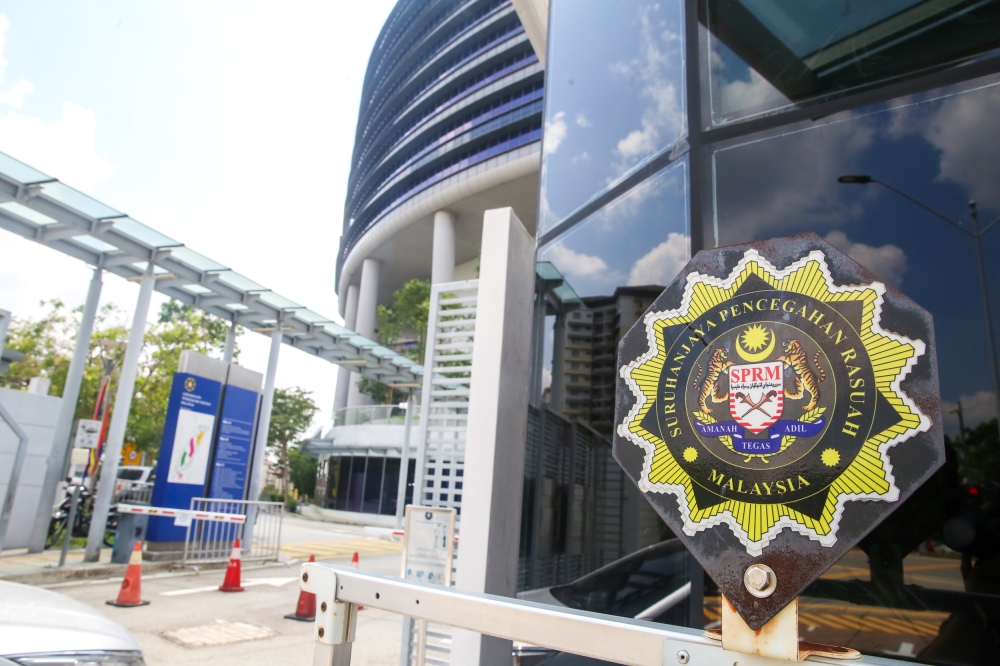
A former government employee is facing serious corruption charges after being remanded by the Malaysian Anti-Corruption Commission in Kuala Lumpur, in connection with allegations of misappropriating RM300,000 in welfare payments through an elaborate fraud operation. The suspect, whose identity remains subject to investigation procedures, stands accused of unlawfully obtaining the personal details of 11 individuals and using their credentials to submit fraudulent claims for government aid. The four-day remand order granted by the court underscores the gravity with which authorities are treating the allegations.
The case highlights a troubling vulnerability within Malaysia's social assistance infrastructure, where unscrupulous individuals with access to government systems can exploit personal information to divert funds intended for genuine beneficiaries. The MACC's swift action in apprehending the suspect demonstrates renewed focus on internal corruption within the civil service—a sector that has faced mounting scrutiny in recent years regarding ethical breaches and financial impropriety. The RM300,000 figure suggests a carefully planned and prolonged scheme rather than opportunistic wrongdoing, indicating potential systematic abuse of administrative privileges.
As a former civil servant, the suspect would have possessed authorised access to sensitive databases and verification systems that ordinary members of the public cannot access. This position of trust amplifies the severity of the alleged breach, as it exploits the institutional legitimacy conferred by government employment. The ability to navigate bureaucratic processes, understand application procedures, and potentially bypass standard verification checks would have substantially facilitated the fraudulent claims. Such insider knowledge is precisely what makes corruption by serving or recently-departed public officials particularly damaging to system integrity.
The involvement of 11 different individuals' personal details suggests a sophisticated operation that may have extended across multiple benefit categories or payment cycles. Each identity would have required corresponding documentation or verification manipulation, indicating either detailed advance planning or exploitation of multiple processing gaps. The breadth of the scheme raises questions about whether additional accomplices may have been involved in either facilitating the applications or providing the stolen personal information.
This incident arrives during a period of heightened public concern about the integrity of Malaysia's welfare distribution mechanisms. Millions of ringgit in government assistance are allocated annually through various programmes designed to support vulnerable populations, and public confidence depends on genuine beneficiaries receiving their entitlements while fraudulent claims are detected and prevented. When individuals within the system itself become vectors for fraud, it undermines both the effectiveness of assistance programmes and citizen trust in government institutions.
The MACC's investigation will likely examine the suspect's employment records, access logs to relevant databases, and the pattern of applications flagged for investigation. Forensic accounting expertise will be necessary to trace fund flows and determine whether money was transferred directly to the suspect's personal accounts or used in other ways. The investigation may also establish a timeline linking specific applications to the suspect's working schedule and system access patterns.
For civil service reform in Malaysia, cases like this reinforce the necessity of maintaining robust internal audit systems and implementing strict controls over who can access personal information within government databases. The four-day remand period provides investigators crucial time to gather evidence, cross-reference records, and potentially identify whether the suspect acted alone or coordinated with others in claiming false benefits. The findings will inform whether systemic vulnerabilities exist across multiple government agencies.
The legal proceedings ahead will test Malaysia's capacity to prosecute corruption within its own institutions. Successful conviction would send a significant message about accountability, particularly given the privileged position the suspect occupied. However, it also exposes a failure in existing oversight mechanisms that allowed such a substantial fraud to allegedly continue long enough to accumulate RM300,000 in illicit gains before detection.
For Malaysian citizens who rely on government assistance programmes, this case underscores the importance of monitoring their own accounts for suspicious benefit payments they did not claim. Victims of identity theft in welfare fraud schemes often remain unaware they have been compromised until discrepancies appear. Individuals concerned they may have been affected should report concerns to relevant welfare agencies and the MACC to ensure their records are corrected and perpetrators are held accountable.

