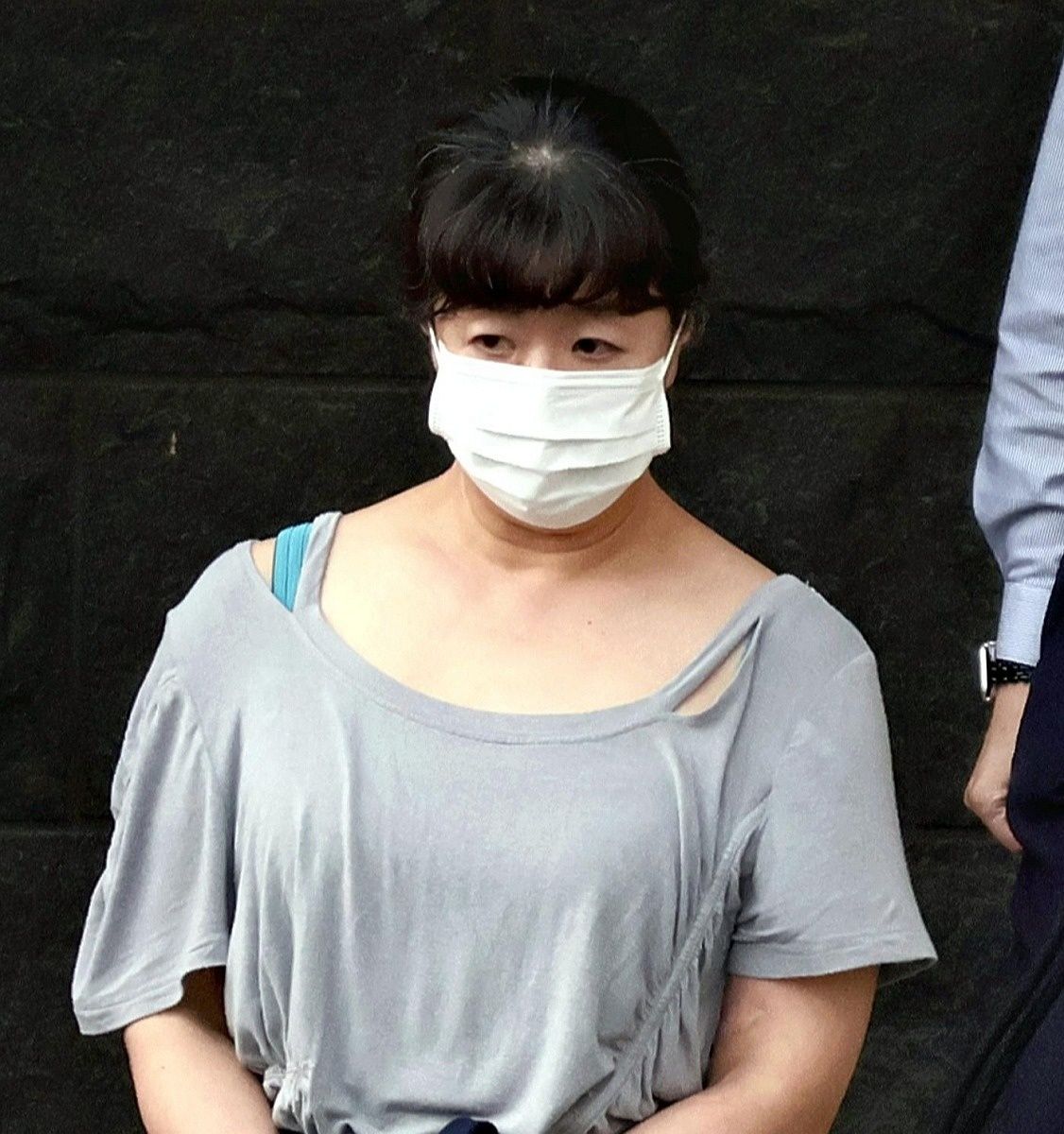
Authorities in Japan have arrested a 51-year-old former nurse on suspicion of causing the death of a patient through deliberate contamination of his intravenous drip with faecal material. Miyuki Furukawa, a resident of Kashiwa in Chiba Prefecture, is accused of introducing the contamination into the IV extension tube of Eiji Aida, a 75-year-old patient receiving treatment at Kashiwa Tanaka Hospital, in the early hours of January 30. The arrest came nearly six months after the patient's death, following a comprehensive investigation that uncovered disturbing digital evidence and witness accounts.
The contaminated IV line triggered a catastrophic chain of medical events that ultimately proved fatal for the elderly patient. Mr Aida's health deteriorated rapidly over the course of the following day, and he was pronounced dead around 10.30pm on January 31. A post-mortem examination determined that multiple organ failure triggered by sepsis, a life-threatening condition caused by systemic infection, was the cause of death. Laboratory analysis of Mr Aida's blood revealed the presence of bacteria typically found in human faeces, providing crucial forensic evidence linking the contamination directly to his death.
At the time of the incident, Ms Furukawa was employed as the head nurse during the night shift at Kashiwa Tanaka Hospital. Hospital security footage documented her movements in and around Mr Aida's ward, capturing her entering and exiting his room multiple times during the period when the contamination is believed to have occurred. This surveillance evidence became a central piece of the investigative puzzle, corroborating testimony from other staff members and establishing opportunity and proximity to the victim.
The discovery of the contamination itself came through the vigilance of a fellow hospital employee who noticed unusual discolouration inside the IV extension tube. On February 1, this colleague reported her concerns to Kashiwa Police, describing her observation that the interior of the tube had turned brown and expressing suspicion that a foreign substance had been deliberately introduced. This initial report triggered the formal police investigation that would eventually lead to Ms Furukawa's arrest.
Detectives uncovered a significant interpersonal conflict between the accused nurse and the victim prior to the incident. Their investigation also revealed that Ms Furukawa had conducted suspicious internet searches on her smartphone, including a query using the phrase "faeces injection — Will [he] die?" This digital evidence suggested premeditation and an awareness of the potentially lethal consequences of her alleged actions, substantially strengthening the prosecution's case and indicating motivation beyond momentary impulse.
Ms Furukawa has consistently denied the allegations since her arrest, issuing a categorical denial that she introduced faecal matter into the IV tube. However, the convergence of multiple lines of evidence—security footage documenting her access to the patient's room, the testimony of the hospital employee who discovered the contamination, laboratory confirmation of faecal bacteria in the victim's bloodstream, and the damaging smartphone search history—presents a formidable investigative record.
Following the incident, Ms Furukawa resigned from her position at Kashiwa Tanaka Hospital at the end of February and subsequently secured employment as a midwife at another medical facility in Tokyo. Her ability to continue working in healthcare despite the emerging investigation raised questions about hospital reporting procedures and worker screening practices in Japan's medical sector. The incident has prompted broader concerns about workplace safety protocols and supervision in healthcare settings.
Chiba prefectural police continue their investigation into Ms Furukawa's precise motives and the full circumstances surrounding the contamination. Detectives are examining whether workplace grievances, personal disputes, or psychological factors contributed to the alleged act. The investigation remains focused on establishing a complete timeline of events and determining whether any institutional failures at Kashiwa Tanaka Hospital may have enabled or facilitated access to the patient's IV equipment.
Aoikai, the healthcare organisation that operates Kashiwa Tanaka Hospital, issued a formal statement condemning the alleged conduct in unequivocal terms. The statement characterised the suspected act as "absolutely unforgivable for someone working at a medical institution and as a human being," signalling the organisation's commitment to supporting the investigation and maintaining public confidence in its facilities. The hospital has stated its intention to cooperate fully with law enforcement and to implement findings from the investigation into its operational practices and security measures.
The case has significant implications for Japan's healthcare sector, raising uncomfortable questions about background screening, workplace monitoring, and institutional safeguards designed to protect vulnerable patients. The apparent ease with which the alleged contamination occurred, despite the hospital environment's inherent security infrastructure, has prompted discussion about whether additional measures are necessary to prevent similar incidents. Medical professionals and patient safety advocates have called for enhanced oversight of nursing staff access to life-critical equipment and medications.

