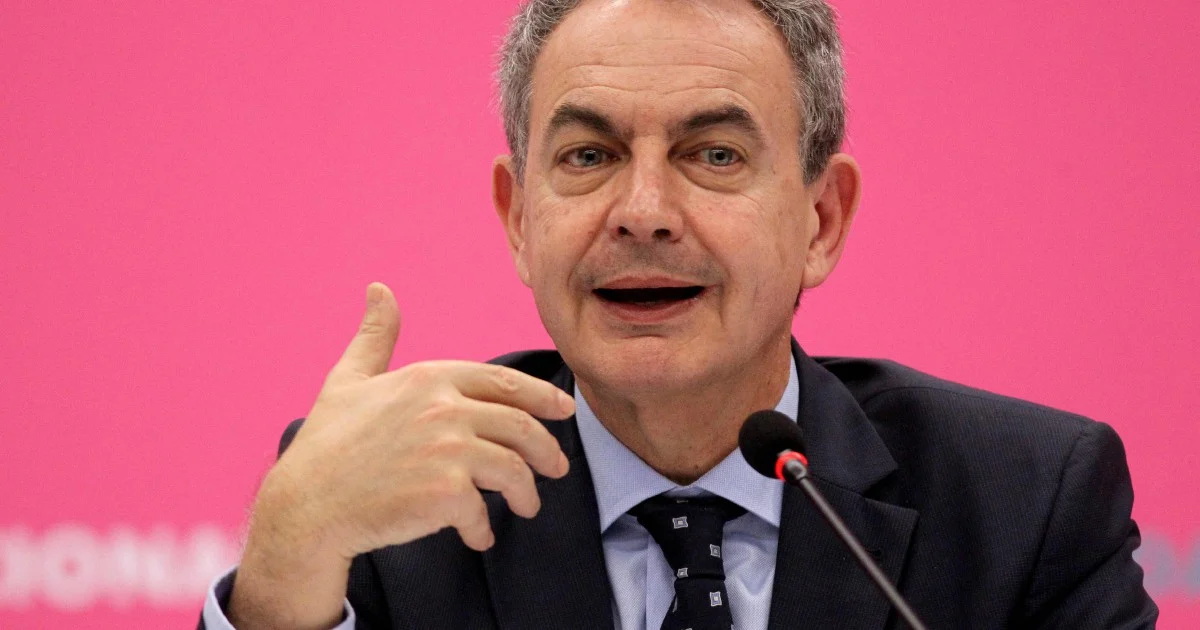
Spain's political establishment faces fresh turbulence as former prime minister José Luis Rodríguez Zapatero prepares to testify in a historic legal proceeding that marks an extraordinary moment for the country's judicial system. Beginning on Wednesday, Zapatero will spend two consecutive days in court addressing allegations of improper influence peddling, representing the first time a former Spanish premier has been compelled to appear before judges on such charges. The hearings underscore mounting legal pressures affecting the socialist government currently governing Spain, even as party leaders attempt to maintain political momentum.
Zapatero's tenure as prime minister from 2004 to 2011 positioned him as a significant figure in Spanish and European progressive politics. His government oversaw major legislative changes including marriage equality provisions and the withdrawal of Spanish troops from Iraq. Yet his decision to pursue economic policies prioritising bank rescue packages over social spending during Spain's severe financial crisis generated lasting controversy within left-leaning circles. The former leader has since remained politically active, maintaining an advisory role within socialist circles despite stepping back from frontline governance.
The investigation into Zapatero centres on his alleged involvement in murky business dealings that prosecutors believe involved leveraging his political prominence and connections to influence government decisions. While specific details of the charges remain partly under legal confidentiality provisions, Spanish media reports suggest the inquiry examines potentially improper financial arrangements and whether Zapatero used his position or post-government status to facilitate commercial advantages for associates or business contacts. The precise nature of these allegations reflects broader patterns of corruption investigations involving Spanish political figures across the ideological spectrum.
This development carries significant implications for Spain's ruling Socialist Party, which has invested considerable political capital in projecting an image of ethical governance distinct from centre-right rivals. The party leadership has faced questions about whether Zapatero's prominence within socialist circles creates embarrassing associations precisely when the government seeks to consolidate its electoral standing. European socialist movements have traditionally positioned themselves as defenders of institutional integrity, making corruption allegations involving prominent figures particularly damaging to party narratives.
The timing of these hearings coincides with broader institutional challenges facing Spain's judicial system. Spanish courts have undertaken numerous corruption investigations involving political figures from multiple parties, though critics argue prosecution patterns sometimes reflect political bias or selective enforcement. International observers monitoring Spanish governance have highlighted concerns about the independence of judicial processes and whether investigations are pursued with consistent rigour regardless of political affiliation. Zapatero's case will inevitably be scrutinised through this lens as Spanish courts attempt demonstrating their impartiality.
For Southeast Asian observers and Malaysian readers particularly, the Spanish situation illuminates challenges facing democracies attempting to navigate tension between political stability and institutional accountability. Malaysia's own experience with corruption investigations involving prominent political figures demonstrates the sensitive intersection where judicial independence intersects with democratic governance. The Zapatero proceedings remind that established European democracies struggle managing these dynamics no less than developing nations, though institutional maturity generally ensures greater procedural protections and transparency throughout investigative phases.
Zapatero's legal team has indicated he will cooperate fully with the judicial process whilst maintaining his innocence regarding all allegations. The former premier's lawyers have characterised the investigation as reflecting misunderstandings about legitimate commercial activities undertaken within legal frameworks. This defensive posture mirrors strategies typically employed by politically prominent figures facing corruption allegations across multiple jurisdictions, emphasising procedural regularity and the presumption of innocence whilst awaiting substantive judicial findings.
Spain's broader political context involves heightened polarisation between left and right, with multiple parties competing for electoral support and government influence. The socialist administration has maintained parliamentary viability partly through coalition arrangements and agreements with smaller parties, arrangements sometimes vulnerable to external shocks including corruption revelations affecting government credibility. Zapatero's situation could potentially complicate these delicate political balances if judicial proceedings produce dramatic revelations or high-profile convictions.
European Union institutions maintain oversight mechanisms assessing member states' judicial independence and corruption-fighting apparatus. Spain's handling of the Zapatero investigation will likely attract scrutiny from Brussels observers monitoring whether Spanish institutions adequately address political corruption through impartial processes. EU pressure increasingly focuses on rule-of-law concerns, meaning Spain's demonstrated commitment to vigorous prosecution of high-profile political figures carries diplomatic significance beyond domestic political ramifications.
The two-day hearing schedule suggests prosecutors have assembled substantial documentary evidence and witness testimony warranting extended interrogation. Zapatero's responses will establish crucial factual records that judges will later assess against legal standards determining potential culpability. The proceedings represent not merely a personal legal challenge for the former premier but a significant moment testing Spain's institutional capacity for managing accountability affecting even the most prominent political figures.
As Spanish courts navigate these unprecedented waters, the broader implications extend beyond individual criminal liability to encompass questions about institutional legitimacy and whether democratic systems can effectively discipline their own leaders through impartial legal processes. Zapatero's cooperation with the judicial process—however reluctant—demonstrates formal acceptance of judicial supremacy in resolving serious allegations, distinguishing functioning democracies from authoritarian alternatives where political elites often evade meaningful scrutiny. The coming weeks will reveal whether Spain's institutions can sustain this commitment to accountability.