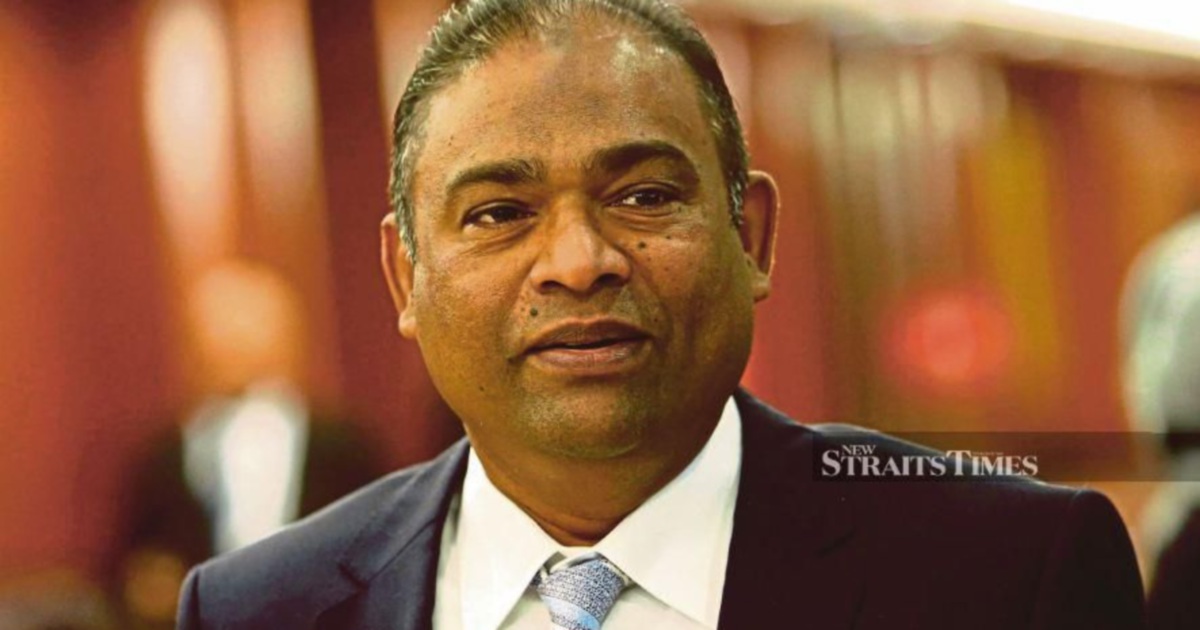
Speculation about the detention of former Tabung Haji chairman Datuk Seri Abdul Azeez Abdul Rahim has been laid to rest, with his son Mohamed Khairul Azman publicly rejecting claims that his father was taken into custody by the Malaysian Anti-Corruption Commission. The clarification came amid swirling rumours in media circles about possible enforcement action involving the prominent Islamic finance executive.
The timing of the denial is significant given the heightened scrutiny surrounding governance at Tabung Haji, the Malaysian government's pilgrimage and savings institution, which has faced mounting questions about its financial management and administrative oversight in recent years. The fund, which manages money for millions of Malaysian Muslims saving for the hajj pilgrimage and family investments, sits at the intersection of religious affairs and public accountability.
Tabung Haji's leadership has been subject to periodic investigation and review as concerns have surfaced regarding the handling of funds and institutional practices. The organisation manages billions of ringgit in deposits and investments on behalf of account holders across Malaysia, making governance lapses a matter of national concern. Any credible allegations involving senior management would carry significant implications for the institution's reputation and public trust.
Abdul Azeez's tenure as chairman placed him at the helm during a period of considerable institutional change and external scrutiny. His role required navigation of complex regulatory frameworks governing Islamic finance in Malaysia, as well as the management of expectations from government, religious authorities, and millions of ordinary Malaysians relying on the fund. The clarity provided by his son suggests that misconceptions about his current standing may have circulated without substantive foundation.
The Malaysian Anti-Corruption Commission, operating under its statutory mandate, conducts investigations into alleged breaches of the Malaysian Anti-Corruption Commission Act across both public and private sectors. Reports of enforcement action involving public figures typically carry significant weight and attract considerable media attention. The son's intervention to correct the narrative demonstrates the importance of accurate information in matters affecting institutional credibility and individual reputation.
For investors and account holders within Tabung Haji, questions about leadership and institutional integrity remain pertinent. The fund's performance and the trustworthiness of those overseeing it directly influence financial security and long-term savings outcomes for millions of contributors. Clarity regarding the status of former senior executives therefore carries practical importance beyond the purely reputational dimension.
In the broader context of Malaysia's anti-corruption framework, the work of enforcement agencies depends upon accurate reporting and public understanding of their actions. Unsubstantiated claims about arrests or investigations can undermine public confidence in institutions while simultaneously affecting the personal and professional standing of individuals who become the subject of speculation. The son's statement addresses this concern directly by providing factual correction.
The incident highlights the rapid spread of unverified information in digital media ecosystems, where reports can circulate widely before verification occurs. For public figures associated with major financial institutions, the capacity to quickly and clearly respond to inaccurate claims has become essential to protecting reputation and maintaining institutional confidence. The prompt clarification in this instance illustrates an attempt to contain potential reputational damage through transparent communication.
Tabung Haji's governance challenges have periodically attracted public and parliamentary attention, reflecting legitimate scrutiny of how Islamic financial institutions manage public resources. The distinction between investigating potential misconduct and confirming actual arrests remains crucial to understanding the regulatory environment surrounding the organisation. This clarification helps separate fact from speculation in ongoing discussions about institutional oversight and accountability.
The role of families and close associates in communicating on behalf of public figures during periods of heightened scrutiny reflects practical realities of media management and crisis communication. However, such statements also underscore the importance of independent verification and careful reporting by news organisations when allegations or speculation involves individuals holding sensitive positions within major institutions.
Moving forward, the clarity provided regarding Abdul Azeez's current status may help redirect focus toward substantive questions about institutional governance at Tabung Haji that continue to warrant public attention. Whether through formal investigation, parliamentary inquiry, or administrative review, mechanisms exist for examining and addressing governance concerns within Malaysia's regulatory system. Distinguishing between unverified claims and documented findings remains essential to maintaining both institutional integrity and public trust in the fact-finding process itself.

