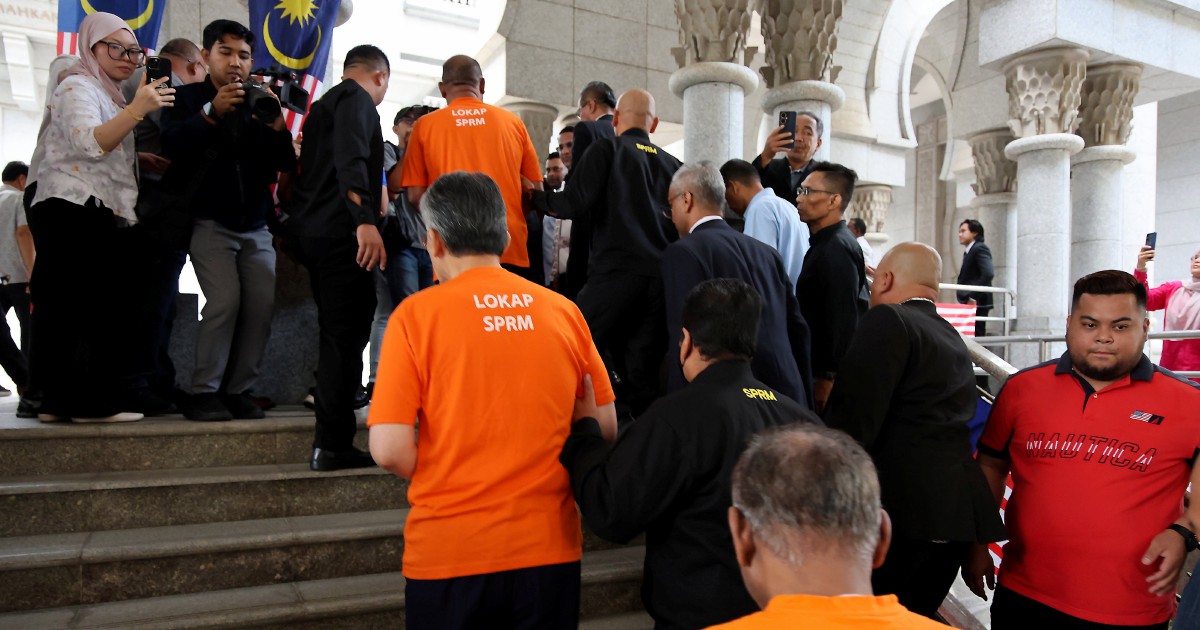
The Malaysian Anti-Corruption Commission succeeded in obtaining a four-day remand extension against the former chief executive officer of Tabung Haji in connection with an ongoing investigation stemming from a Royal Commission of Inquiry, the agency announced in Putrajaya today. This development marks another stage in what has become an increasingly significant probe into the operations and governance of Malaysia's pilgrimage management body, which oversees the hajj and umrah savings scheme for Muslim Malaysians.
The extension comes amid growing scrutiny of Tabung Haji's financial management and operational practices. The pilgrimage fund, which has served as a crucial savings mechanism for Malaysians seeking to perform the hajj, has faced mounting questions about how it has deployed its substantial asset base and managed contributions from millions of account holders over the years. The involvement of an anti-corruption commission in such a high-profile case underscores the seriousness with which authorities are treating the matter and suggests potential breaches of public trust or fiduciary duty.
Royal Commissions of Inquiry in Malaysia are typically established to investigate matters of significant public concern. When such bodies recommend follow-up action, their findings can trigger criminal investigations and prosecutions. The fact that the MACC is pursuing active detention of a former top executive indicates that investigators believe they are uncovering evidence that warrants sustained questioning and potential charges. The four-day extension suggests that authorities have satisfied a court that additional investigative time remains necessary to pursue their line of inquiry.
For Malaysian hajj aspirants and their families, developments surrounding Tabung Haji carry particular weight. The institution holds the savings of millions of Muslims who have entrusted it with their pilgrimage funds, often accumulated over many years. Any mismanagement or misconduct at the executive level could have direct implications for account holders' contributions and their ability to undertake the sacred journey. The transparency of such investigations thus becomes important both from a governance perspective and from the standpoint of public confidence in the institution.
The case also reflects broader concerns about corporate governance in Malaysia's sovereign wealth and public-purpose institutions. How such bodies are managed, who oversees their operations, and what accountability mechanisms exist have all become matters of public debate in recent years. When leadership figures at major state-linked entities face investigation, it prompts questions about the adequacy of internal controls and oversight structures that should have flagged irregularities before they escalated.
The MACC's role in pursuing this investigation reflects the commission's mandate to address corruption and misconduct in both public and private sectors. As Malaysia's principal anti-corruption agency, the MACC has increasingly undertaken high-profile investigations targeting corporate and institutional leadership. These efforts form part of broader efforts to strengthen Malaysia's reputation for governance and rule of law, particularly important given international scrutiny of financial management in Southeast Asian institutions.
The remand process itself is a critical phase in criminal investigation, allowing law enforcement to hold and question suspects for extended periods while gathering evidence. Each remand extension requires judicial approval, meaning courts have assessed that there remains reasonable basis for continued detention. Multiple extensions, as indicated by the four-day grant today, suggest an investigation that is developing new leads or pursuing complex financial or administrative matters that require sustained interrogation.
For stakeholders in Malaysia's financial ecosystem, including regulators, institutional investors, and policymakers, such investigations carry lessons about governance deficiencies that may exist elsewhere. The case underscores the importance of robust internal audit functions, independent oversight boards, and clear accountability frameworks within large institutions managing public assets. These structural elements become particularly critical when organisations handle collective wealth entrusted by ordinary Malaysians rather than venture capital or commercial investors.
The implications extend beyond Tabung Haji itself. As Malaysia seeks to position itself as a competitive hub for Islamic finance and as a trustworthy manager of pilgrimage-related services for regional Muslims, institutional credibility becomes a strategic asset. Investigations such as this one, while uncomfortable, can ultimately strengthen public institutions if they result in accountability, corrective measures, and demonstrable reform of problematic practices.
The timing and scope of this investigation also reflects shifting attitudes toward executive accountability in Malaysia. Recent years have witnessed increased prosecutorial action against senior corporate and government officials, signalling less tolerance for the kind of conduct that may have gone unchallenged in previous eras. Whether this represents a permanent institutional shift or a cyclical phenomenon remains to be seen, but the message to current and future institutional leaders is unmistakable: even high-ranking positions no longer guarantee insulation from investigation and potential prosecution.
As the investigation progresses through the remand phase into potential charging and trial, the case will likely attract continued scrutiny from governance advocates, financial sector observers, and hajj-performing communities. The outcomes of the MACC's investigative efforts and any subsequent legal proceedings will establish important precedents for how Malaysia treats misconduct at the leadership level of major public institutions and contribute to evolving standards of institutional accountability across the region.

