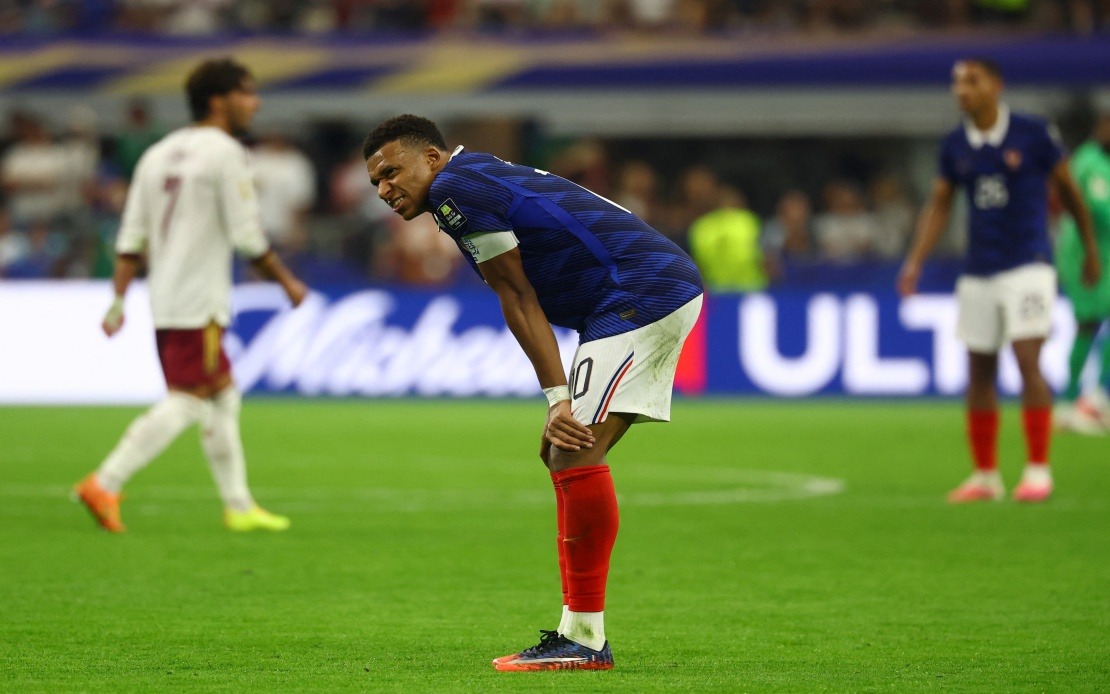
France's elimination from the FIFA World Cup semifinals after a 2-0 loss to Spain on Tuesday evening triggered widespread public disorder across the country, with police detaining over 160 individuals as disturbances erupted in major urban centres including Paris and Lyon. The scale of the arrests underscores the intensity of public disappointment following the match, as crowds gathered to witness what many had hoped would be a victorious campaign for the host nation's football team.
The Paris Police Prefecture documented 141 arrests across the capital region, making it the primary flashpoint for post-match unrest. These detentions stemmed directly from violent incidents that unfolded as supporters processed the unexpected elimination, with the majority of arrests connected to individuals brandishing and deploying firework mortars in the direction of police officers and emergency responders. The targeting of law enforcement during the disturbances represented a significant escalation from typical celebratory gatherings, suggesting that frustration over the loss translated rapidly into aggressive confrontation.
While the incidents were substantial enough to warrant extensive police response and mass arrests, authorities were able to prevent the situation from deteriorating into more dangerous territory. Officials confirmed that no serious physical injuries were sustained during the various clashes and confrontations that unfolded throughout the evening, a positive outcome given the volatile nature of the crowds and their interactions with riot control forces. This relative restraint, however, should not diminish the seriousness of what occurred on the streets of France's major cities.
Lyon experienced its own separate wave of disturbances after the Spain match, though the scale differed somewhat from the capital's upheaval. Hundreds of supporters had assembled at Place Bellecour, one of the city's largest public squares, to collectively watch the semifinal match. Following Spain's victory, the crowd's mood shifted as realisation set in that France would not advance further in the tournament, prompting some segments to fragment into smaller, more volatile groups.
These breakaway clusters began directing projectiles and fireworks toward assembled police units stationed throughout the area. French riot police rapidly intervened to restore order and prevent further escalation of the disturbances. The coordinated response resulted in approximately 20 arrests in Lyon, substantially fewer than the Paris figure but still reflective of meaningful civil unrest. The local authorities subsequently reported that, similar to Paris, no significant injuries or major property destruction accompanied the disorder in the city.
A notable characteristic of those detained emerged in subsequent analysis: the majority of arrestees were remarkably young, having been born between 2002 and 2011, meaning most were teenagers or in their very early twenties at the time of the incidents. This demographic pattern raises questions about youth engagement in public disorder and the particular emotional investment younger supporters demonstrate in national sporting outcomes. The concentration of youthful detainees suggests that first-time World Cup memories and the particular national pride invested in France's campaign may have created heightened emotional stakes for this generation.
The incidents highlight a broader European pattern whereby major sporting defeats, particularly in football tournaments of tremendous national significance, occasionally trigger public disorder in multiple cities simultaneously. France's World Cup campaign had generated substantial public enthusiasm and investment given the country's status as both a football superpower and the tournament's host nation. The unexpected loss to Spain therefore represented not merely a sporting disappointment but a deflation of considerable collective hope.
For Malaysian readers observing these events, the scale of police response and arrest numbers underscores how seriously European authorities take public order during major sporting events, contrasting with varied approaches to crowd management across Southeast Asia. The incident also demonstrates the universal nature of intense public emotion surrounding football, a sport that transcends cultural and geographical boundaries in generating passionate investment from supporters across different societies.
The wider implications for France extend beyond the immediate weekend of disorder. Tournament organisers and government officials will likely review security protocols and crowd management strategies for future major sporting events, considering whether additional preventive measures might be necessary. The incidents serve as a reminder that successful hosting of international competitions requires careful attention not only to celebrating victories but also managing the disappointment of unexpected defeats.

