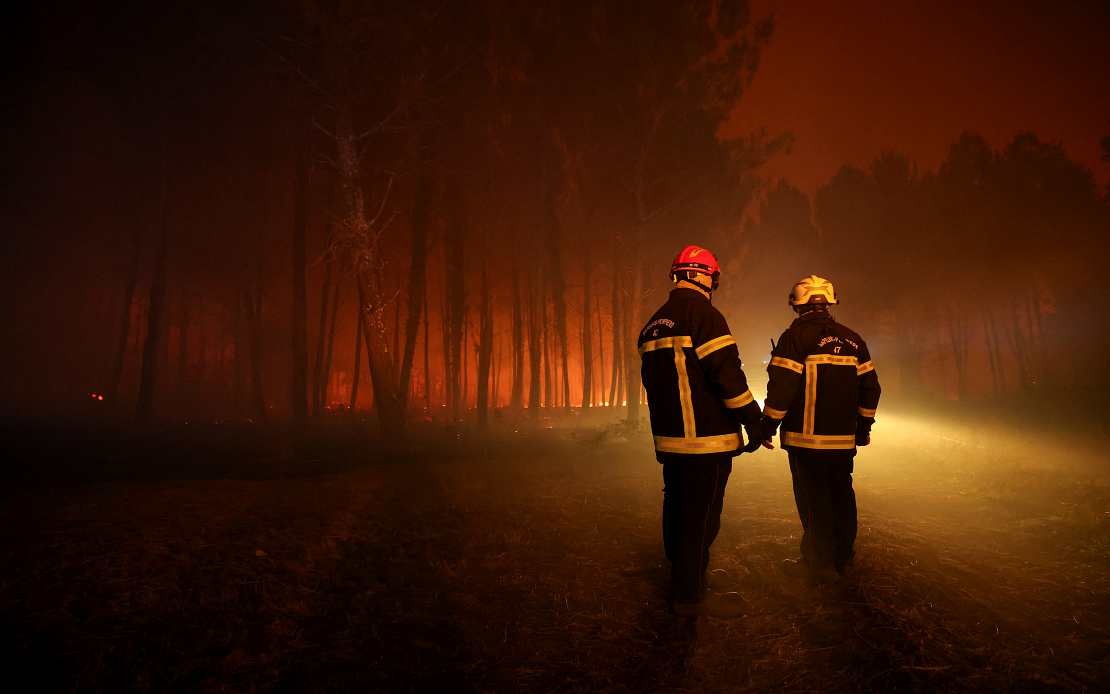
A 15-year-old French boy appeared before a judge and has been formally charged in connection with a fire near Merignac, close to Bordeaux airport, that claimed the lives of two firefighters in July. The teenager was taken into custody and placed in a closed educational facility following the charges, marking a significant development in an investigation that has drawn attention to workplace safety hazards faced by emergency responders across Europe.
The incident unfolded when the young suspect and his 22-year-old brother stopped at the location while smoking cigarettes. According to local media accounts, the older brother disposed of his cigarette in the parking lot, but the teenager allegedly threw his burning cigarette onto nearby grass, inadvertently triggering the fire that would eventually claim two lives. The distinction in how the brothers disposed of their smoking materials became crucial to investigators piecing together the sequence of events that led to the tragedy.
The fatal fire broke out on July 21 when firefighters responded to the blaze at the building in Merignac. During their emergency response, the two firefighters became trapped as flames rapidly engulfed their vehicle, leaving them unable to escape. The incident highlighted the extreme dangers faced by first responders who risk their lives protecting communities from fire hazards, even when battling blazes sparked by seemingly minor acts of negligence.
Both brothers were initially arrested and held for questioning, with the older sibling taken into custody on Wednesday. However, once the teenager admitted to his role in starting the fire, investigators determined that his 22-year-old brother had no culpability in the incident. The older brother was subsequently released after being cleared of all charges, as evidence pointed exclusively to the younger sibling's actions as the cause of the tragedy.
The Bordeaux prosecutor's office launched a formal investigation immediately after the July 21 incident to examine both the circumstances surrounding the fire and the precise cause of the blaze. Investigators worked to establish a timeline of events and determine how a simple act of littering a cigarette could escalate into a disaster that claimed two lives and devastated families and the firefighting community. The thorough examination of evidence ultimately supported findings that contradicted and clarified the initial understanding of how the fire started.
According to reporting from French daily Sud Ouest, evidence gathered during the investigation indicated that the fire was sparked by the discarded cigarette butt. This finding reinforced the critical importance of public awareness campaigns regarding fire safety and the dangers of carelessly disposing of smoking materials, particularly during warm months when vegetation is dry and fire risk escalates dramatically across regions like Aquitaine.
The charging of a 15-year-old in connection with deaths of emergency personnel underscores broader questions about juvenile accountability in criminal justice systems across Europe. French law permits the prosecution of teenagers in serious cases, and prosecutors determined that the circumstances warranted formal charges despite the defendant's age. Legal experts suggest the case will likely involve considerations of intent, negligence, and the foreseeability of consequences when making final determinations regarding culpability.
For Malaysia and other Southeast Asian nations, this incident serves as a sobering reminder of how easily preventable acts of carelessness can trigger catastrophic consequences. While fire safety standards and enforcement vary significantly across the region, the fundamental principle remains constant: public cooperation in preventing fire hazards is essential to protecting both communities and the brave personnel who respond to emergencies. The case demonstrates that even in well-developed nations with established safety protocols, gaps in public awareness and individual responsibility can still result in tragedy.
The loss of two firefighters in Merignac has prompted renewed discussions within French emergency services about equipment improvements, training enhancements, and strategies for preventing such incidents. Similar conversations have emerged across Europe regarding how to reduce preventable fires and protect responders from situations where escape routes become compromised. The incident serves as a cautionary tale about the cascading consequences of momentary lapses in judgment.
As the legal proceedings continue in France, the case will likely influence discussions about sentencing guidelines for juvenile defendants in cases involving loss of life. The balance between rehabilitation and accountability remains a central tension in modern criminal justice systems, particularly when young offenders' actions result in death. The outcome of this case may establish precedent for how French courts handle similar situations involving teenagers and fatal consequences resulting from negligence.

