Malaysia's authorities are banking on stricter compliance with newly implemented digital safety regulations to bring the escalating problem of online fraud under control. Deputy Communications Minister Teo Nie Ching has called on online platforms operating in the country to embrace full compliance with the Risk Mitigation Code, which became enforceable on June 1 under the Online Safety Act 2025 (Act 866). The regulatory framework represents a significant shift in how Malaysia approaches the governance of digital advertising and content moderation at scale.
The Risk Mitigation Code introduces a critical gate-keeping mechanism by mandating that platform providers rigorously identify and verify all advertisers before permitting paid advertisements to circulate on their services. This verification requirement sits at the heart of the government's strategy to reduce the volume of scams, fraudulent promotions, and misleading commercial content that proliferates across social media. By establishing clearer accountability chains between platforms and the advertisers using their infrastructure, regulators hope to create friction that deters bad actors from exploiting these channels for illicit schemes. Teo acknowledged during remarks at an event in Klang that the surge in online fraud remains deeply troubling, but expressed optimism that rigorous platform adherence to the code would yield measurable improvements.
To encourage adoption without rushing implementation, the government has extended a grace period allowing all online platforms until the end of the year to achieve full compliance. This transitional window reflects recognition that compliance requires significant operational investment, technical infrastructure upgrades, and staff training. During the implementation phase, platforms must develop robust systems for advertiser vetting, establish verification workflows, and maintain auditable records. The extended deadline also provides time for industry stakeholders to coordinate with regulatory bodies and refine their processes before stricter enforcement begins.
Evidence of the existing problem's scale emerged in data shared by Teo, who reported that social media platforms had collectively removed 99,693 pieces of fraudulent content as of mid-July. This substantial figure underscores both the prevalence of fraudulent material circulating online and the incremental progress that content moderation efforts are achieving. However, the steady volume of removals also suggests that existing safeguards, while functional, remain insufficient to prevent such content from being published in the first place. The focus on advertiser verification through the Risk Mitigation Code represents a shift toward upstream prevention rather than downstream cleanup.
The legal architecture supporting this approach extends beyond the newly implemented code. Malaysia possesses a complementary suite of legislation addressing online crimes and digital security threats, including amendments to the Communications and Multimedia Act (CMA), the Online Security Act, and the Cybercrime Act. Rather than introducing additional legislation, Teo indicated that the government believes existing laws, when fully operationalized, provide adequate tools to address fraud and related harms. This measured stance reflects confidence that the machinery is in place and primarily requires time and diligent enforcement to demonstrate effectiveness. Stakeholders across Southeast Asia, where Malaysia's digital economy continues expanding, will likely observe this regulatory approach as a model for balancing innovation with safety.
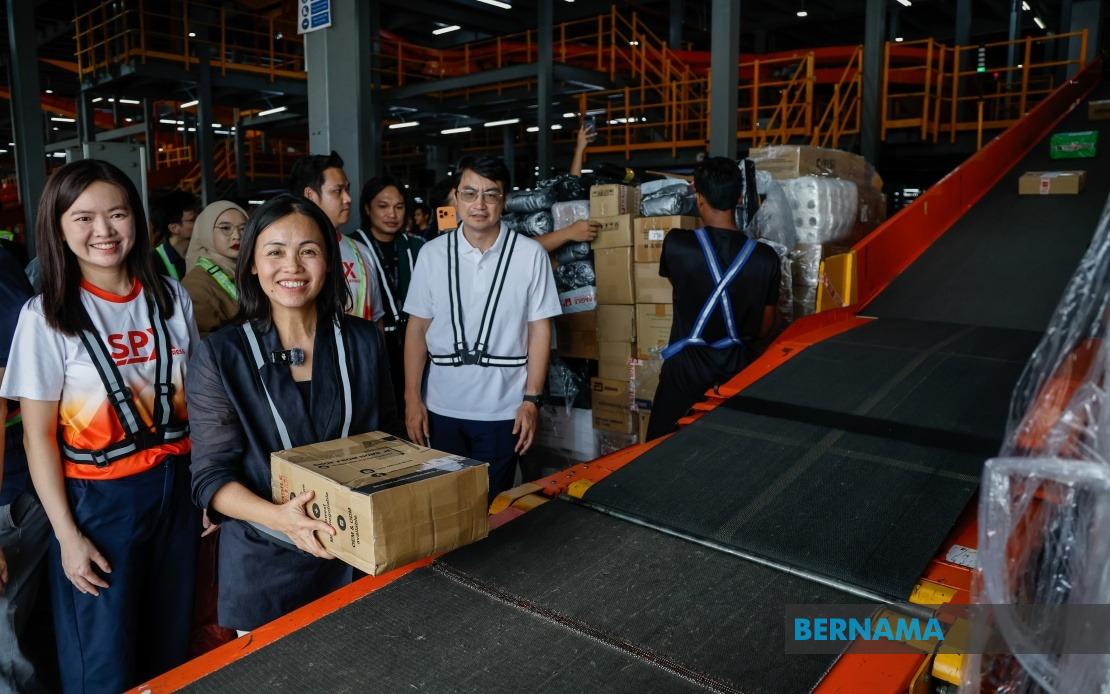
Parallel to fraud mitigation efforts, Malaysia is pursuing environmental objectives through the digital economy's operational transformation. At the Klang event, Deputy Minister Teo highlighted the launch of 10 new electric delivery vehicles by SPX Express, one of the country's largest logistics operators. The expansion of electric vehicle fleets in the delivery sector addresses multiple policy goals simultaneously: reducing transportation emissions, responding to volatile global fuel markets, and managing geopolitical supply chain uncertainties. The explosive growth in online commerce has generated corresponding demand for last-mile delivery services, creating both environmental pressure and an opportunity for operators to transition toward sustainable operations.
Government policy is actively encouraging Malaysia's logistics sector to embrace electrification for commercial deliveries. This push reflects broader strategic priorities around electric vehicle adoption amid fluctuating international fuel prices and instability in West Asia affecting energy markets. Companies like SPX Express that voluntarily adopt greener fleets demonstrate that commercial viability and environmental responsibility need not conflict. The integration of sustainable logistics into Malaysia's digital commerce infrastructure strengthens the country's positioning as a progressive economy capable of managing growth while addressing climate considerations. This alignment between digital expansion and environmental stewardship is particularly relevant for Malaysian consumers and businesses increasingly concerned about sustainability.
Teo emphasized that the environmental case for electric vehicles extends beyond commercial delivery operations to encompass both individual and organizational transport. As Malaysia's digital economy accelerates, the cumulative transportation emissions from delivery networks, commuting patterns, and supply chain movements become increasingly significant. Promoting EV adoption across all vehicle categories creates complementary benefits: reduced urban air pollution, lower long-term fuel expenditure for households and businesses, and gradual economic transition toward cleaner energy infrastructure. The visibility of major delivery companies leading this transition helps normalize electric vehicle use and addresses consumer confidence concerns about charging infrastructure and operational reliability.
Integrating environmental sustainability into digital economy growth creates a compelling narrative for Malaysia's digital future. By demonstrating that platforms like SPX Express can scale operations using greener technologies, policymakers signal that prosperity and environmental stewardship are compatible rather than competing objectives. This messaging matters for a country working to establish itself as a responsible digital economy leader in Southeast Asia. Young Malaysian consumers increasingly factor environmental considerations into purchasing decisions and brand loyalty, making visible corporate sustainability commitments valuable for companies seeking market differentiation.
Beyond content moderation and logistics sustainability, Teo identified a broader ecosystem challenge: ensuring that digital infrastructure expansion translates into quality user experiences. The government is actively expanding internet coverage and increasing connection speeds nationwide, but technical capacity alone proves insufficient. Seamless digital experiences require coordinated improvements across multiple layers: network infrastructure, platform design, cybersecurity protections, and consumer trust mechanisms. The Risk Mitigation Code and advertiser verification requirements contribute to this experience quality by reducing the prevalence of scams and fraudulent content that degrade user confidence in online transactions and platforms.
The convergence of these initiatives reflects Malaysia's maturing approach to digital governance. Rather than oscillating between permissiveness and prohibition, policymakers are building an integrated ecosystem where regulatory frameworks, technological infrastructure, environmental responsibility, and user experience improvement progress in concert. For Malaysian businesses and consumers, this means the online environment is gradually becoming more trustworthy and sustainable. For the broader Southeast Asian region, Malaysia's experience provides instructive lessons about managing digital economy growth while maintaining safety and environmental standards. Success in this integration will largely depend on whether platforms genuinely embrace compliance with the Risk Mitigation Code beyond the grace period and whether the government dedicates resources to enforcement as the year's end approaches.

