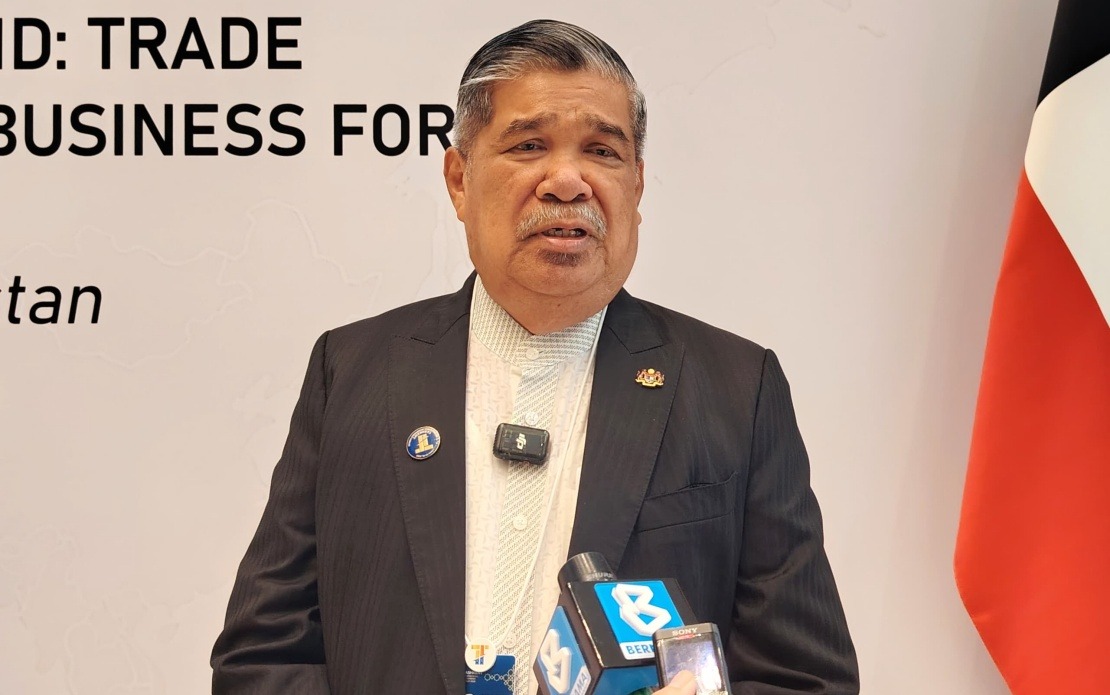
Escalating geopolitical tensions and climate-induced disruptions underscore an urgent imperative for Malaysia to fortify its food security framework, Agriculture and Food Security Minister Datuk Seri Mohamad Sabu stressed during the launch of Labuan's Road to MAHA 2026 programme. The minister's remarks reflect growing concern within government circles that external shocks—from regional conflicts to environmental instability—pose tangible threats to Malaysia's ability to feed itself and maintain price stability in essential commodities.
The confluence of global challenges confronting food systems has moved beyond theoretical risk assessment into immediate policy relevance. Armed conflicts disrupting agricultural regions, the unpredictable impacts of El Nino weather patterns on monsoon-dependent farming, and the fragmentation of international supply networks have collectively demonstrated how interconnected modern food systems have become. For a country like Malaysia, which maintains substantial import dependence despite agricultural capabilities, these vulnerabilities cannot be dismissed as distant concerns. Mohamad emphasised that the traditional view of food security as merely an economic consideration has fundamentally shifted; it now constitutes essential national infrastructure comparable to defence or energy security.
The government's response hinges on institutional commitment and sectoral modernisation. Despite macroeconomic headwinds including currency fluctuations, rising energy costs, and climate-related production hazards, the Ministry of Agriculture and Food Security continues advancing a comprehensive agenda. This approach represents a strategic partnership between federal agricultural authorities and the Federal Territories Department, consolidating efforts to revitalise and expand Malaysia's agri-food ecosystem. The collaboration signals recognition that food security demands coordinated action across governance layers rather than siloed departmental efforts.
The MAHA 2026 exhibition, slated for August 28 to September 6 at the Malaysia Agro Exposition Park Serdang, embodies this modernisation philosophy. Centred on the theme 'Value Creation for Food Security', the biennial showcase aims to catalyse agricultural transformation by demonstrating technological solutions. Automation systems, robotic harvesting, Internet of Things sensors for precision farming, and artificial intelligence applications for crop optimisation will feature prominently, offering Malaysian farmers practical pathways toward productivity gains. The exhibition's ambition extends beyond demonstration; organisers project attracting four million visitors and generating RM58 million in direct sales, positioning MAHA 2026 as both a knowledge-transfer platform and an economic stimulus for agricultural stakeholders.
Labuan's circumstances exemplify vulnerabilities within Malaysia's broader food system architecture. The federal territory's overwhelming dependency on imported provisions—approximately 90 per cent of food supply originates from Sabah, with domestic production contributing merely 10 per cent—illustrates the risks inherent in geographical and supply-chain concentration. The COVID-19 pandemic exposed how quickly disruptions to transport networks could create critical shortages, a sobering lesson that prompted authorities to develop the Labuan Food Security Strategic Plan 2026-2030. This initiative prioritises increasing local production capacity, enhancing logistical resilience, and incentivising adoption of contemporary farming methodologies suited to Labuan's specific environmental constraints.
The Road to MAHA 2026 nationwide series functions as a preliminary engagement mechanism, building grassroots awareness and participation before the main exhibition. By conducting preparatory activities across regions, the programme seeks to cultivate public interest in agricultural advancement and familiarise stakeholders with emerging opportunities within the sector. This grassroots dimension proves crucial for translating high-level policy commitments into tangible behavioural change among farmers, agribusinesses, and consumers who collectively shape food system dynamics.
A critical demographic challenge underpins Malaysia's food security architecture: the agricultural sector faces an ageing workforce and insufficient recruitment of younger cohorts. Mohamad's appeal for young Malaysians to embrace agricultural entrepreneurship addresses this structural weakness directly. Attracting the next generation of agropreneurs requires demonstrating viable career pathways, reasonable profit margins, and technological appeal—elements that modern, innovation-driven agriculture can provide. Without demographic renewal, Malaysia risks labour shortages and loss of dynamism precisely when transformative change is most necessary.
The broader Asian context amplifies these concerns. Southeast Asian nations collectively depend substantially on food imports, creating regional vulnerability to international price shocks and supply disruptions. Should geopolitical tensions intensify further or climate impacts worsen, competition among regional buyers could inflate commodity prices dramatically. Malaysia's positioning depends partly on internal production capacity and partly on maintaining stable regional relationships that facilitate trade. The emphasis on food security thus encompasses not merely domestic agricultural productivity but also diplomatic and trade considerations.
Technological advancement alone cannot resolve food security challenges; complementary policies addressing land availability, water management, labour accessibility, and financial support remain equally vital. The MAHA 2026 focus on modernisation should be understood as one component of a multifaceted strategy. Government commitment extends to infrastructure development, research investment, and regulatory frameworks that encourage private-sector participation while protecting smallholder farmers from market volatility.
Moving forward, the success of Malaysia's food security agenda will depend on translating ministerial statements and exhibition showcases into sustained operational improvements across production networks. Whether the nation can meaningfully reduce import dependency while maintaining affordability for consumers represents a genuine policy tension requiring sophisticated navigation. The Road to MAHA 2026 initiative signals serious intent, yet realising its ambitions demands consistent resource allocation, farmer participation, and technological adoption at scale—commitments extending well beyond ceremonial programme launches.

