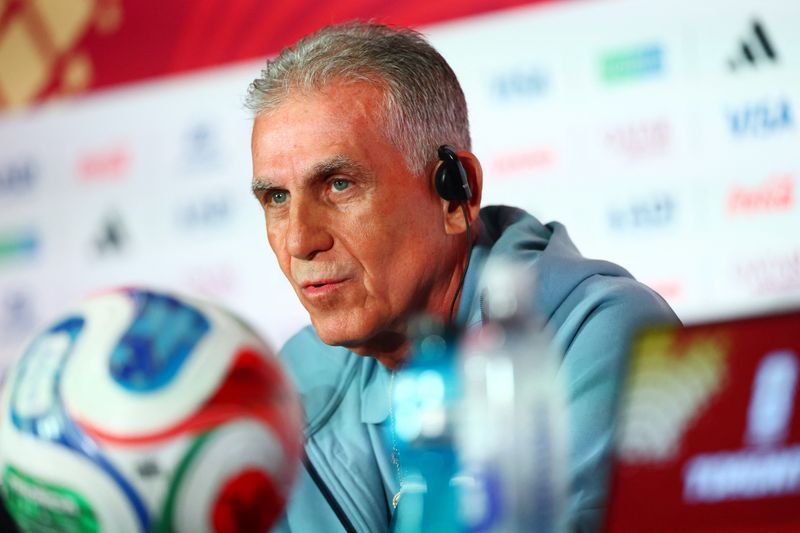
Ghana's preparations for their crucial World Cup Group L fixture against Panama have been clouded by an ongoing legal battle over midfielder Thomas Partey's eligibility to enter Canada, yet coach Carlos Queiroz struck a confident tone heading into the contest at Toronto Stadium on Wednesday. The Villarreal player has been barred from joining the squad after Canadian authorities refused him entry to the country, prompting Ghanaian officials to lodge an appeal that was heard before a federal court on Tuesday. Despite the uncertainty surrounding one of his key players, Queiroz emphasised during a press briefing that Ghana's tactical blueprint remains intact and the team stands ready to compete regardless of the outcome.
Partey faces serious criminal allegations in Britain, including rape and sexual assault charges, which he has consistently denied. The controversy has created a complex situation for both the player and the Ghana Football Association, as his participation hinges not merely on sporting merit but on immigration law and judicial proceedings unfolding in real time. Queiroz's refusal to elaborate extensively on Partey's circumstances reflected a deliberate coaching strategy to keep the team's focus locked on the match itself rather than allowing external controversies to derail preparation.
The 73-year-old Portuguese tactician demonstrated his pragmatic approach when confronted about the Partey situation, stating plainly that his responsibility was to work with the personnel available to him rather than engage in speculation about matters beyond his control. This measured stance suggests a seasoned professional acutely aware that allowing such distractions to seep into team morale could prove detrimental during a high-stakes international tournament. His assertion that Ghana possessed comprehensive contingency planning underscored the depth of preparation undertaken before departure to Canada.
Queiroz painted Panama as a formidable opponent deserving of respect, characterising them as a well-drilled unit with considerable tournament experience and strong organisational principles. However, his analysis did not conclude with defensive caution. Instead, he identified specific vulnerabilities in Panama's setup that Ghana could exploit through their own considerable strengths. This balanced assessment—acknowledging opposition quality whilst identifying pathways to victory—reflected confidence in his squad's technical abilities and tactical acumen.
The Ghana coach spoke to his team's multifaceted arsenal, highlighting their experience at the international level, technical quality, pace, and skill as collective assets that could prove decisive. He particularly emphasised Ghana's capacity to dominate in individual matchups, suggesting the team would compete aggressively and showcase their strengths through direct engagement with opposing players. Such commentary implied an attacking philosophy rather than a defensive posture, potentially signalling Ghana's intent to take the game to Panama from the outset.
Beyond the immediate fixture, Queiroz raised broader questions about FIFA's newly implemented mandatory hydration breaks during World Cup matches, a regulation that had generated considerable debate among coaches and players worldwide. Rather than dismissing the rule outright, he called for comprehensive scrutiny of its true motivations and effects once the tournament concluded. His scepticism appeared rooted in concern that the regulation might serve commercial or marketing interests as readily as player welfare considerations.
The coach's request for an integrity report on the hydration break protocol reflected a nuanced understanding that modern sports decisions operate within complex intersections of health, performance, and commercial pressure. His suggestion that such analysis should distinguish between player protection and marketing priorities hinted at underlying frustration with opaque decision-making processes in international football governance. For Southeast Asian coaches and federations monitoring FIFA's regulatory direction, Queiroz's comments offered a template for constructive scepticism about new rules that may not always prioritise competitive integrity.
Ghana's World Cup campaign carries particular significance for West African football, as the nation boasts considerable pedigree in international competitions and views the tournament as a platform for demonstrating continental quality. The Panama encounter represents a critical early opportunity to establish momentum and secure points necessary for advancing from the group stage. Any disruption to squad harmony or tactical planning caused by Partey's status could prove costly in such a compressed tournament format.
The timing of the court appeal decision—occurring merely one day before Ghana's match—added genuine urgency to Queiroz's measured professionalism. Whether Partey ultimately gains entry or remains barred, Ghana must execute their gameplan with precision and cohesion. Queiroz's pre-match messaging effectively communicated to both his players and external observers that the team possessed the flexibility and quality to compete successfully under either circumstance, a psychological stance that may prove as important as any tactical adjustment.