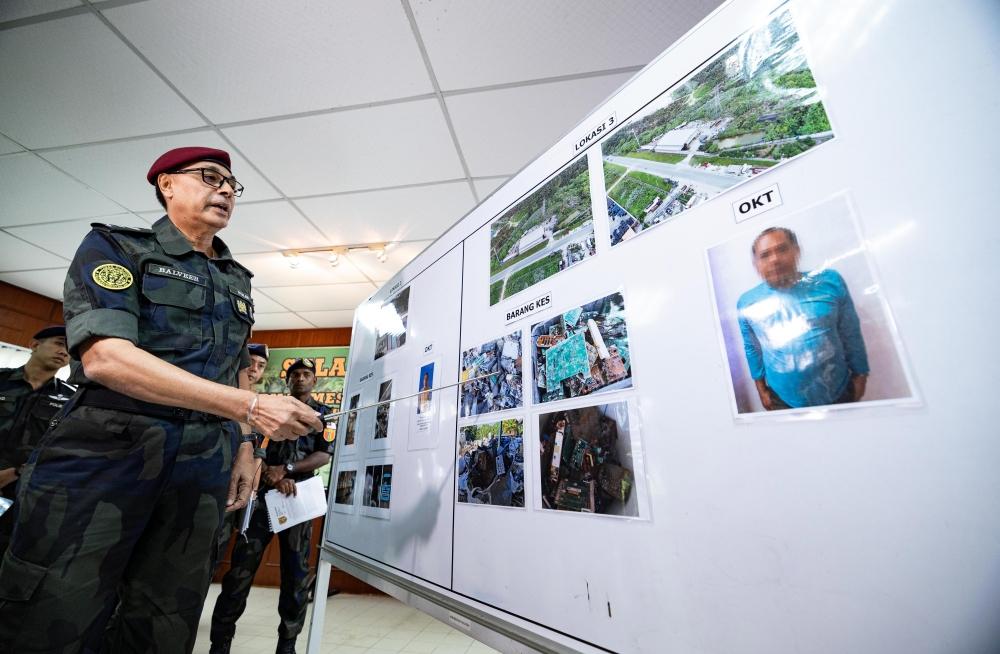
The General Operations Force Northern Brigade has struck a significant blow against Malaysia's burgeoning illegal e-waste trade, confiscating 120,220 kilogrammes of electronic refuse during a series of coordinated enforcement operations in Ipoh. The contraband, estimated to be worth RM9.39 million, represents one of the more substantial hauls in recent months as authorities intensify scrutiny of the largely unregulated recycling and disposal sector. Fourteen individuals were detained in connection with the illicit operation, marking another escalation in law enforcement responses to organised e-waste trafficking networks that have proliferated across the country.
The raids illuminate a troubling dimension of Malaysia's waste management landscape that has attracted minimal public attention despite its severity. The nation generates substantial quantities of discarded electrical and electronic equipment annually—from obsolete computers and smartphones to worn-out household appliances—yet much of this material never enters formal recycling channels. Instead, it filters into underground markets operated by syndicates exploiting lax oversight and the high costs associated with legitimate disposal. These illegal processors extract valuable metals and components, leaving behind hazardous residues that contaminate soil and water supplies whilst the traffickers pocket significant profits at minimal operational expense.
The Ipoh operations specifically targeted establishments suspected of receiving, storing, and processing illegally imported or stolen electronic goods without appropriate licensing or environmental safeguards. Initial investigations revealed that these facilities operated with minimal oversight despite their proximity to residential areas, exposing nearby communities to toxic emissions and contaminated runoff. The scale of the seizure—120,220 kilogrammes—suggests these were not small-scale informal operations but rather organised enterprises with substantial processing capacity and distribution networks supplying clients across northern Peninsular Malaysia. The fourteen arrests encompass both operational staff and suspected network coordinators, though authorities have remained tight-lipped regarding potential higher-level connections.
The valuation of RM9.39 million reflects not merely the raw material value of extracted metals and recoverable components but also the scarcity premium these trafficking networks command in markets where legitimate supply channels remain underdeveloped. Malaysia's formal electronics recycling infrastructure remains chronically underfunded relative to waste generation rates, creating an almost inevitable drift toward informal and illegal channels. Consumers and businesses lacking convenient legal disposal options often default to unauthorised traders offering immediate cash transactions, inadvertently fuelling the very supply chains that the GOF Northern Brigade targets. This structural deficit means enforcement action, whilst necessary, addresses symptoms rather than underlying systemic deficiencies.
For Malaysian readers and policymakers, the Ipoh seizure underscores the inadequacy of current regulatory frameworks and enforcement resource allocation. Unlike developed economies where extended producer responsibility schemes mandate manufacturers manage end-of-life products, Malaysia relies heavily on consumer initiative and scattered government programmes with limited reach. The proliferation of e-waste trafficking networks indicates that voluntary compliance and moral suasion have proven insufficient. Regional comparisons reveal that economies implementing comprehensive circular economy policies, coupled with substantial investment in collection and processing infrastructure, achieve significantly higher formal recycling rates and correspondingly lower illegal trade volumes. Thailand and Vietnam have pioneered such approaches, creating competitive advantages in secondary materials markets whilst simultaneously reducing environmental exposure.
The environmental ramifications of uncontrolled e-waste processing extend far beyond the immediate operational zones. Improper dismantling of circuit boards, computer screens, and other components releases lead, mercury, cadmium, and other carcinogens into soil and groundwater. Rural communities surrounding these illegal facilities, lacking awareness or political influence to resist, bear disproportionate exposure. Studies documenting health impacts in regions with extensive informal e-waste processing show elevated rates of neurological disorders, kidney damage, and reproductive complications amongst residents. Malaysia's fragmented environmental monitoring and public health surveillance systems mean such correlations remain largely undocumented, perpetuating a false sense of safety regarding current practices.
The international dimension merits particular attention from Malaysian observers. Significant portions of the e-waste entering illegal processing networks in Malaysia originate from international trafficking rather than domestic sources. Wealthy nations lacking robust take-back schemes often export obsolete electronics to Southeast Asian countries where corrupt officials facilitate unlicensed imports in exchange for modest bribes. Malaysia has become a transshipment hub and processing centre within this global trafficking ecosystem, importing containers ostensibly containing used clothing or spare parts that actually contain discarded electronics. The fourteen individuals arrested in Ipoh likely represent a fraction of the smuggling operation's full scope, with overseas coordinating entities remaining beyond Malaysian jurisdictional reach.
Moving forward, enforcement successes must be complemented by structural reforms addressing root causes of e-waste trafficking proliferation. Extended producer responsibility legislation compelling electronics manufacturers to finance collection and recycling infrastructure would substantially alter cost dynamics and supply incentive structures. Simultaneously, investment in licensed processing facilities capable of safely extracting valuable materials whilst containing hazardous substances would create legitimate alternatives to informal operations. Singapore and South Korea have implemented such systems with measurable success, demonstrating feasibility within Southeast Asian contexts. Malaysia's manufacturing sector prominence as a semiconductor and electronics production hub provides particular impetus for developing sophisticated secondary materials processing capacity.
The GOF Northern Brigade's commitment to continued enforcement is commendable, yet sustainable progress requires coalition-building extending beyond law enforcement agencies. Environmental organisations must amplify public awareness regarding e-waste hazards and trafficking networks' true costs. Consumer behaviour change—prioritising legitimate recycling channels despite marginally higher inconvenience—remains essential. Corporate responsibility initiatives could align profit incentives with environmental outcomes through certified recycling programmes and product take-back schemes. The RM9.39 million seizure represents substantial disruption to specific trafficking networks, yet the persistence of illegal operations demonstrates that enforcement, whilst necessary, cannot alone resolve challenges rooted in systemic infrastructure deficits and regulatory gaps.

