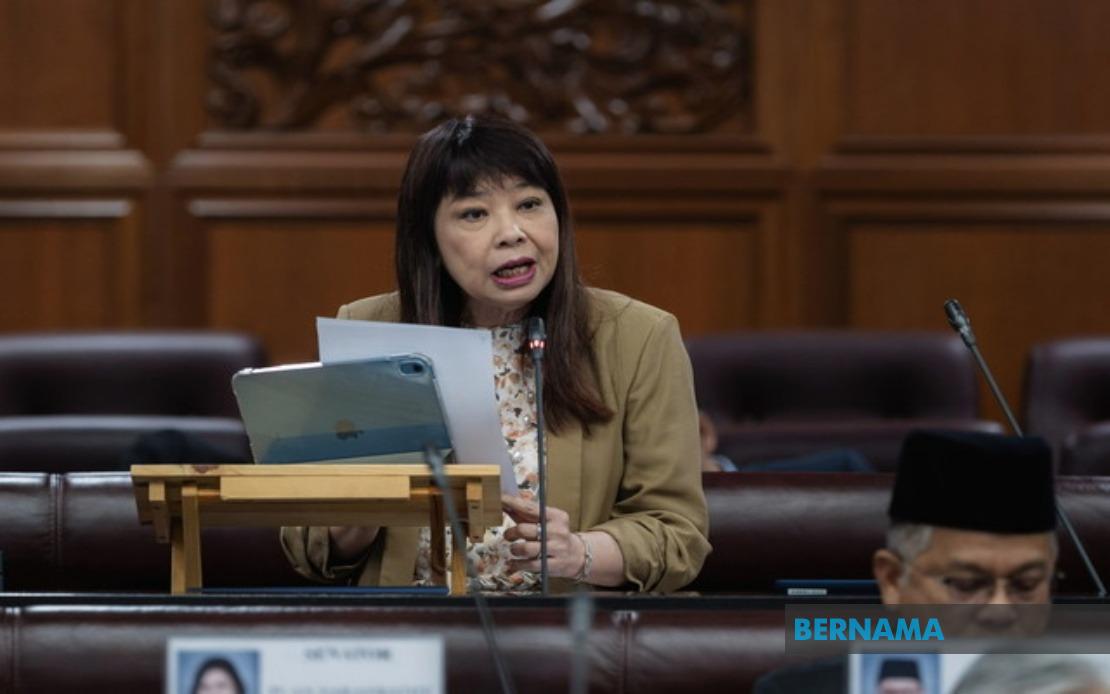
The Malaysian government is advancing plans to create a dedicated registry for tracking individuals who repeatedly commit domestic violence offences, marking a potentially significant step in the nation's efforts to combat intimate partner abuse. Deputy Women, Family and Community Development Minister Lim Hui Ying disclosed during parliamentary proceedings that the Women, Family and Community Development Ministry, the Royal Malaysia Police and the judiciary are jointly examining this proposal as a preventative mechanism to interrupt cycles of abuse that claim victims year after year.
The proposed registry would function as a centralised database enabling authorities and relevant agencies to monitor offenders with multiple convictions, fundamentally changing how the criminal justice system responds to repeat perpetrators. Currently, Malaysia lacks a systematic method for tracking such offenders across its legal apparatus, creating gaps that perpetrators may exploit. This absence of accurate, consolidated data has long been cited as a significant barrier to developing targeted intervention strategies. The joint study signals recognition at ministerial level that fragmented record-keeping has hampered enforcement efforts and allowed some abusers to slip through administrative cracks.
Understanding the mechanics of such a system requires examining international precedent. Countries including New Zealand, parts of Australia and several American jurisdictions operate domestic violence offender registries that allow coordinated responses when high-risk individuals interact with support services, law enforcement or housing authorities. Whether Malaysia will adopt a similar model remains unclear from the current proposal stage, but officials indicate that criminal records already held by police may form the foundation for this mechanism.
The timing of this initiative coincides with renewed government focus on comprehensive domestic violence prevention. Minister Lim emphasised during the parliamentary sitting that the Women, Family and Community Development Ministry is pursuing what officials describe as a whole-of-government and whole-of-society approach, terminology suggesting coordination across multiple ministries and community stakeholders rather than siloed departmental action. This framing reflects international best practice in addressing gendered violence, which research consistently shows requires simultaneous intervention across law enforcement, judiciary, health services and social support systems.
Complementing the registry proposal, the government has committed substantial resources to expanding physical infrastructure for abuse survivors. The ministry has allocated RM2.1 million during the current year specifically for upgrading more than 20 government-operated shelters serving domestic violence victims nationwide. These facilities represent critical lifelines for individuals fleeing dangerous situations, providing secure temporary accommodation while victims pursue legal remedies or arrange alternative housing. The renovation and maintenance programme aims to ensure shelters remain functional, adequately equipped and capable of meeting contemporary safety standards.
According to records maintained by the Social Welfare Department as of July 2026, Malaysia's shelter system comprises 43 approved facilities operating under the Domestic Violence Act 1994. Of these, 39 are government-managed while four operate under non-governmental organisation management, indicating that public sector facilities form the backbone of Malaysia's emergency response capacity. The distinction matters because government-run facilities traditionally accept cases regardless of clients' financial circumstances, whereas NGO shelters may face resource constraints limiting their intake capacity.
Beyond shelter provision, the government has expanded legal mechanisms protecting abuse victims. The Social Welfare Department now actively assists survivors in obtaining Emergency Protection Orders that can be issued within two hours when immediate safety risks exist, addressing the critical window when victims first flee abusive situations. Additionally, the department facilitates victims' court applications for Interim Protection Orders and Protection Orders, legal instruments that courts can impose with or without the abuser's consent. These graduated protective measures allow victims to secure immediate safety while pursuing longer-term legal remedies including divorce or separation proceedings.
The comprehensive approach reflects evolving understanding of domestic violence's systemic nature. Prevention requires not only punishing offenders but also supporting victims' recovery and economic independence, interrupting intergenerational cycles where children witnessing abuse face elevated risks of becoming either perpetrators or victims themselves. Malaysia's emphasis on shelter infrastructure, legal protections and now offender tracking suggests policymakers increasingly recognise these interconnections.
For Malaysian women's safety advocates, the registry proposal offers potential benefits but also raises implementation questions. Success depends on consistent police cooperation in updating records, judiciary coordination in identifying repeat offenders, and careful legislative drafting preventing registry misuse. Neighbouring countries' experiences suggest that without adequate safeguards, such registries can be weaponised in custody disputes or used to stigmatise individuals unfairly. Malaysian lawmakers will need to balance transparency with privacy protections during the development phase.
The initiative also carries implications for Malaysia's regional standing. The Association of Southeast Asian Nations has increasingly emphasised women's safety and economic participation as development priorities. A functional domestic violence registry could position Malaysia as a regional leader in evidence-based victim protection while potentially offering technical knowledge-sharing opportunities with neighbouring countries developing similar systems. This comparative advantage matters for Malaysia's soft power and international reputation as a progressive, rights-respecting nation.

