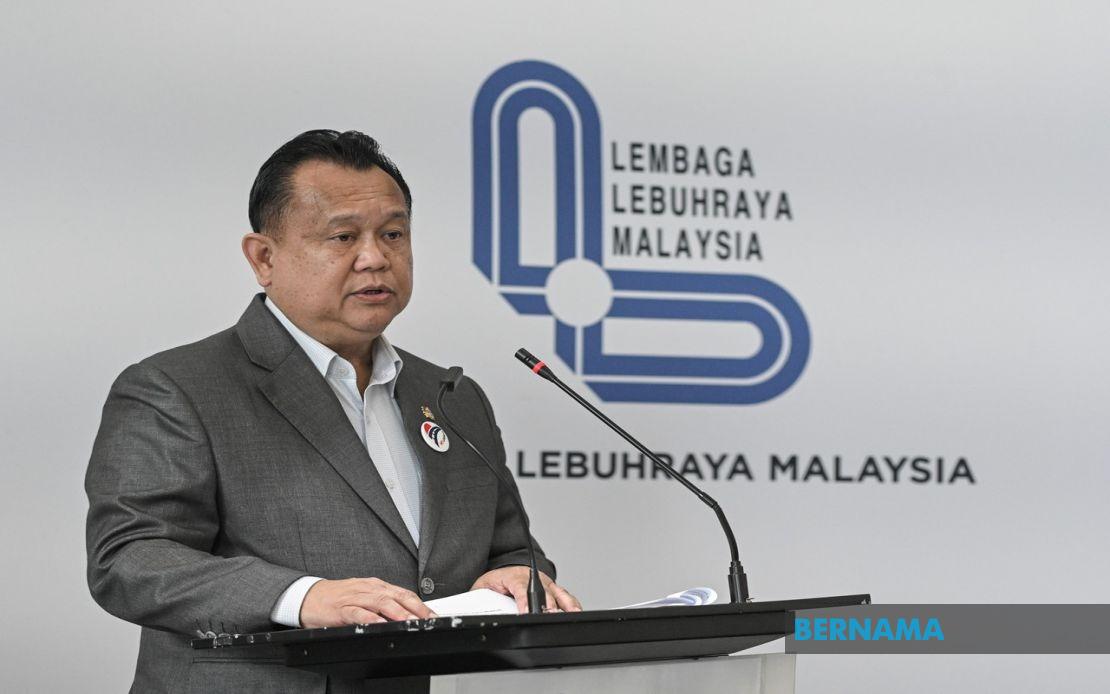
The Malaysian government has unveiled an ambitious road safety initiative, allocating RM25.2 million to illuminate some of the nation's most dangerous highway stretches with state-of-the-art solar-powered LED lighting systems. Works Minister Datuk Seri Alexander Nanta Linggi announced the scheme, which represents the first phase of a broader commitment to reduce accident rates at 32 identified high-risk locations spanning Malaysia's extensive highway network.
The initiative forms part of the MADANI Monitoring programme, a government-wide effort to enhance infrastructure and public safety across the country. The project calls for the installation of 3,000 new light poles at strategically selected accident-prone zones, transforming previously poorly lit sections into safer travel corridors for millions of Malaysian motorists who traverse the highways daily. The selection of these 32 locations reflects data-driven analysis of road incident patterns, with authorities prioritising areas where lighting deficiencies have contributed to fatal crashes and collisions.
The fiscal commitment demonstrates a coordinated approach between key government agencies, with the Works Ministry taking the lead alongside the Finance Ministry and the Malaysian Highway Authority, or LLM as it is known locally. This inter-agency collaboration underscores the seriousness with which the administration treats road safety, an issue that has consistently ranked among public health concerns in Malaysia. The project responds directly to an announcement by Prime Minister Datuk Seri Anwar Ibrahim in October last year, when he earmarked funding for highway safety improvements during the presentation of the 2026 Budget, signalling this remains a priority within government spending allocations.
Minister Nanta clarified that while the original budgetary proposal suggested RM30 million for the entire programme, the government has decided to deploy RM25.2 million for this initial phase, with additional resources to be released as project assessments reveal further requirements. This phased approach allows authorities to monitor installation quality, assess effectiveness in reducing accident rates, and make informed decisions about scaling up the initiative to additional locations. The remaining funds from the original allocation will serve as a buffer for unforeseen costs or expansion opportunities, ensuring flexibility in implementation.
The project has already moved into an advanced stage of execution. The Letter of Acceptance, the formal contract document, was handed to the selected contractor, clearing the path for immediate commencement of on-site construction and installation activities. This swift transition from planning to implementation demonstrates the government's determination to address road safety urgently, recognising that accidents claiming lives on highways demand prompt action rather than prolonged bureaucratic delays.
The technology selected for this programme—solar-powered LED lighting—offers multiple advantages beyond immediate safety improvements. These systems are environmentally sustainable, reducing the highway authority's carbon footprint and operating costs compared to conventional grid-connected street lighting. LED technology provides superior illumination quality, with brighter, more consistent light output that enhances visibility for drivers navigating curves, intersections, and complex highway sections during nighttime hours. Solar power generation eliminates ongoing electricity expenses, freeing government resources for other critical infrastructure needs.
For Malaysian drivers and transport operators, the implications are significant. Poor highway lighting has been implicated in a substantial proportion of night-time accidents, particularly on rural stretches connecting major towns and cities. Improved visibility at accident-prone locations should reduce collision risks, lower insurance claim frequencies, and potentially decrease commercial transport companies' operational costs through fewer vehicle damage incidents. Commuters using these highways, whether for daily work travel or long-distance journeys, will benefit from enhanced safety margins during their journeys.
The completion timeline of November 2024 represents an aggressive but achievable schedule, assuming normal weather conditions and contractor performance. This deadline suggests authorities expect the project to demonstrate measurable safety improvements before the year concludes, allowing time to collect baseline accident data from the illuminated sections and compare it against previous years. Such evidence will be crucial for justifying expanded phases of the programme to parliament and the public.
The initiative carries broader implications for highway infrastructure planning in Southeast Asia. Malaysia's road safety challenges mirror those facing other regional economies with rapidly expanding vehicle populations and aging highway networks. The solar LED approach could serve as a replicable model for neighbouring countries evaluating cost-effective ways to enhance road safety without imposing unsustainable strain on government budgets. International highway safety organisations often cite poor lighting as a modifiable risk factor, making this investment particularly strategic.
From a road user perspective, the deployment of lighting at specifically identified high-risk locations suggests the government has conducted detailed accident analysis to pinpoint where safety interventions yield maximum returns. This targeted approach, rather than blanket installation across all highways, reflects evidence-based policy-making that prioritises scarce resources toward zones with greatest demonstrated need. Motorists travelling these 32 locations should observe reduced accident incidence within months of the lighting becoming operational, offering a visible sign of government responsiveness to road safety concerns that affect their daily lives and loved ones.

