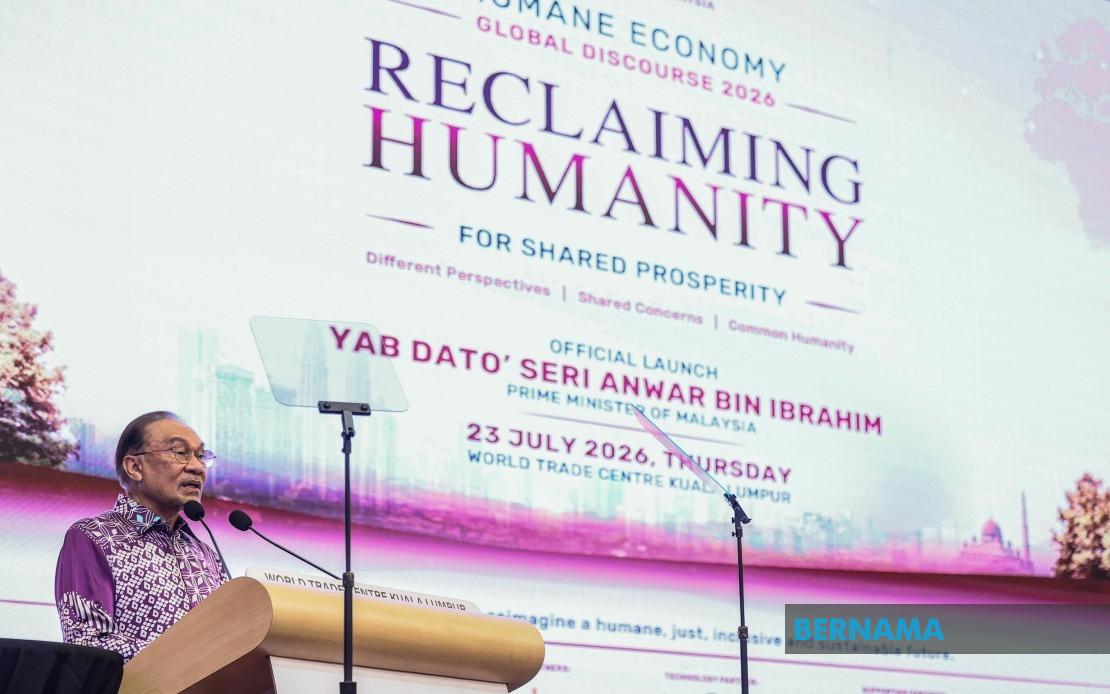
Prime Minister Datuk Seri Anwar Ibrahim has signalled that the government stands ready to disclose the findings of the Royal Commission of Inquiry into Tabung Haji, with a release anticipated within days rather than weeks. Speaking to reporters in Kuala Lumpur on July 23 following his launch of the Humane Economy Global Discourse 2026, Anwar indicated the timing hinged on a procedural decision regarding Cabinet referral, suggesting transparency on the troubled Islamic pilgrimage fund remains a priority for his administration.
The Prime Minister's commitment to expedited disclosure reflects growing public demand for accountability regarding Tabung Haji's operational failings and the extent of financial mismanagement that necessitated the special inquiry. Anwar stated he would consult with Chief Secretary to the Government Tan Sri Shamsul Azri Abu Bakar to determine whether formal Cabinet approval constitutes a mandatory prerequisite before publication. Should no such requirement exist, he indicated the report could be released immediately; if Cabinet clearance proves necessary, he committed to releasing it by Wednesday, framing the decision as honouring citizens' entitlement to understanding what went wrong within the institution.
This measured approach balances institutional protocols with democratic accountability. The decision to bring the matter to Cabinet if required suggests Anwar recognises the political weight of the findings—an RCI report of this nature typically contains recommendations touching on governance restructuring, potential regulatory reforms, and possibly individual accountability measures that carry implications for multiple stakeholders. Yet his apparent eagerness to release the document without unnecessary delay signals a departure from the opacity that sometimes characterised previous administrations' handling of sensitive institutional reviews.
Tabung Haji's financial difficulties have loomed large in Malaysia's policy landscape for several years. The fund, which manages hajj savings for millions of Malaysian Muslims and serves as a critical component of the country's Islamic financial infrastructure, faced unprecedented challenges that ultimately required government intervention to stabilise operations. The Royal Commission's investigation was tasked with establishing what systemic failures and managerial decisions precipitated the crisis, an examination that inevitably touched on both technical financial matters and governance lapses at institutional levels.
Anwar's framing of the report release decision emphasises two interconnected justifications: the public's right to knowledge about institutional dysfunction and the necessity of transparency in supporting Tabung Haji's ongoing recovery trajectory. This dual rationale acknowledges that stakeholders—whether pilgrims with savings held by the fund, Malaysian taxpayers who may bear recovery costs, or the broader Muslim community dependent on Tabung Haji's core mission—deserve clarity about both what occurred and what corrective measures lie ahead. By tying disclosure to recovery progress, the Prime Minister suggests the government views transparency not as a threat to stabilisation efforts but as a prerequisite for public confidence in management reforms.
For Malaysian readers accustomed to government announcements that prove more tentative than presented, Anwar's clear timeline warrants attention. The specific mention of Wednesday as an outer deadline, coupled with the possibility of same-day release, represents unusually definite commitment language from a senior government official regarding a politically sensitive document. This specificity may reflect internal government processes already substantially concluded, with the remaining decision being genuinely technical rather than substantive. It may also reflect pressure from both Tabung Haji beneficiaries and civil society for prompt disclosure, a pressure amplified by the fund's systemic importance to Malaysian Islamic banking and financial governance.
The RCI report's impending release carries broader implications for institutional accountability within Malaysia's governance ecosystem. How thoroughly the findings address individual responsibility, systemic weaknesses, and recommended reforms will shape public perception of whether institutional crises genuinely trigger meaningful change or merely cycling through procedural motions. For Tabung Haji specifically, the report's recommendations may encompass leadership restructuring, enhanced regulatory oversight, or reformed investment protocols—changes that would affect the fund's operational parameters for years ahead.
Regionally, Malaysia's handling of the Tabung Haji crisis and the transparency surrounding its investigation carry implications for other Southeast Asian nations managing Islamic financial institutions and pilgrimage funds serving Muslim populations. The approach to accountability and public disclosure may offer a template—either positive or cautionary—for similar institutions elsewhere confronting governance challenges. At a moment when Islamic finance globally faces increased scrutiny regarding institutional integrity, Malaysia's management of this high-profile case receives wider attention than purely domestic concerns might warrant.
Anwar's comments underscore his administration's apparent positioning on transparency regarding institutional dysfunction. The framing suggests a government conscious that public trust in critical financial institutions cannot be restored through silence but requires forthright acknowledgement of failures and clearly articulated remedies. Whether the RCI report, once released, proves sufficiently comprehensive and actionable to satisfy stakeholder expectations and support Tabung Haji's restoration remains to be seen. The imminent disclosure will provide the first public measure of whether the government's transparency commitments translate into substantive accountability.

